Telangana Government has announced a comprehensive initiative to strengthen government hospitals in tribal regions of the state in order to improve healthcare access and quality medical care for some of the most remote and underserved communities. This move is in line with the state’s stance that it will do everything to solve the state’s healthcare problem by investing in infrastructure and medical personnel and providing quality healthcare services to tribal-dominated areas (e.g. hospitalization).
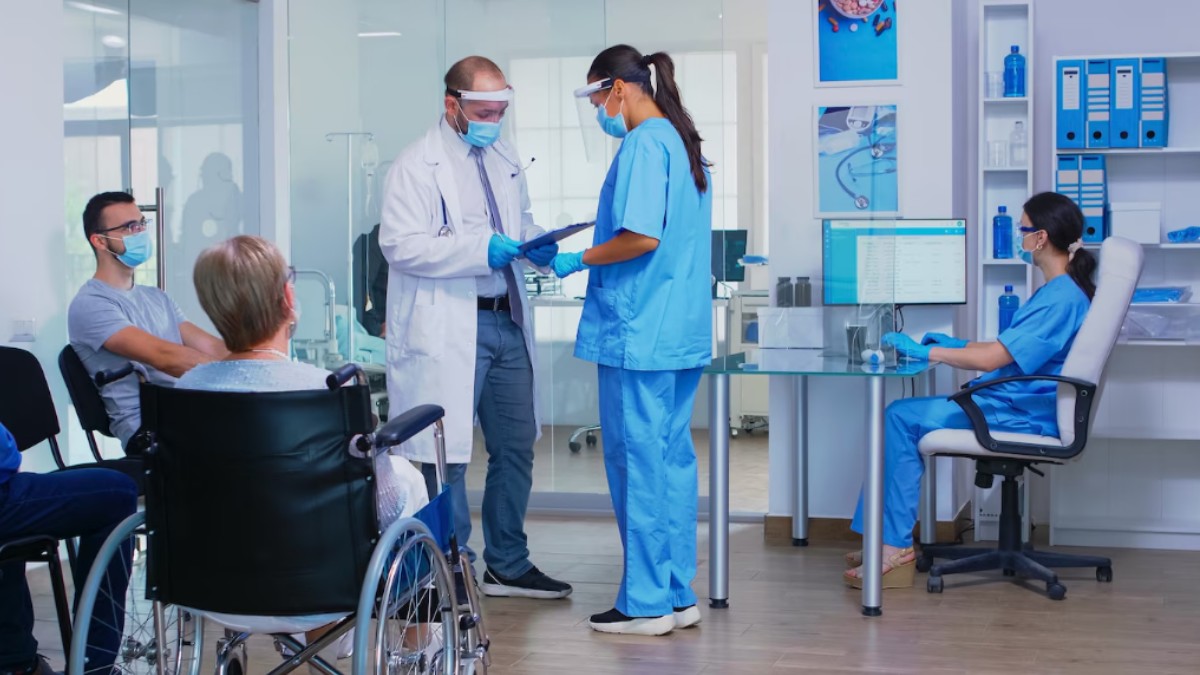
The decision was made because tribal people face special health care problems; many are geographically isolated and healthcare providers are not available to them in remote areas with limited access to advanced medical facilities. But tribal people live so far from the capital that long travel distances, lack of transportation or health care professionals and limited diagnostic facilities have made tribal residents unable to get medical attention. The state will try to close this gap in government hospitals in these areas and improve public health outcomes.
Under the proposed plan, government hospitals and primary healthcare centres in tribal areas are expected to undergo infrastructure upgrades. Modern medical equipment, expanded inpatient facilities, better operation theatres, better diagnostic laboratories and maternity and neonatal care units, and better emergency services are some examples of these. In addition, authorities hope to guarantee the availability of essential medicines and medical supplies regularly.
Another component of the initiative is to enhance human resources within the public health system. The government is looking to recruit and place additional doctors, specialist doctors, nurses, laboratory technicians, pharmacists and other support staff in tribal hospitals. Officials believe that having more competent healthcare workers will help to improve the healthcare delivery and reduce referrals to distant urban hospitals.
Maternal and child health care is also very much under the spotlight. Tribal communities are at greater risk of maternal and infant health care problems because of the delay in institutional healthcare and inadequate prenatal care. By improving maternity facilities, immunization programs and nutrition services, governments will help reduce avoidable health problems associated with mothers and children.

The initiative will also strengthen emergency medical response systems. Ambulance services, referral networks and telemedicine facilities will be expanded, so that patient needs can be transported faster or connected with experts in large hospitals via digital healthcare networks.
Preventive healthcare will be another strong pillar of the programme. Health officials are planning to organize regular medical camps, disease screening drives, awareness campaigns, and outreach programmes on communicable diseases, malnutrition, anemia, tuberculosis, malaria, hypertension, diabetes, and other common health issues affecting tribal populations. Community health workers and Accredited Social Health Activists (ASHAs) are anticipated to play an important role in providing healthcare services to remote villages.
The government also intends to enhance digital health infrastructure by linking government hospitals with electronic health record systems, online consultation platforms and telemedicine services. Such measures can alleviate geographical barriers to access specialist consultations for patients without long distance travel.
Public health experts have welcomed the initiative, with tribal health investments directly translating into better life expectancy, lower disease burden and better socio-economic development. They say that accessibility to health care is a critical factor in education and workforce participation and overall quality of life for poor neighborhoods.
The programme is in line with the larger goal of universal health coverage by establishing quality healthcare in the entire country not only in terms of the geographic location but also in terms of socio-economic status. More government hospitals in tribal areas will also help reduce the financial burden on families that often pay a lot when they go to urban centres for treatment.
As a result, there will be regular monitoring mechanisms to monitor the implementation of the initiative. Hospital performance, availability of medical personnel, patient satisfaction, treatment outcomes and infrastructure development will be reviewed regularly to ensure that the intended benefits reach tribal communities.
Healthcare workers and advocates say investment in infrastructure must be complemented by constant training of staff, a well-managed supply chain, community involvement and understanding of public health. All this together would make for a health system that can cope with the diverse needs of tribal peoples.
As Telangana develops its health care system and the government focuses on tribal areas, it is not an insignificant step in making this the government’s efforts to improve the health care system for our people, not just the health department, but as we are going to have to improve that of every single person and every member of the community in these areas.
In addition to the government, government hospitals and medical services in remote areas need to be strengthened to be available from government hospitals and to improve the health care system in the places that are not in the centre of the state so that the state can offer quality care to all citizens of Telangana.