An Air China Boeing 747-89L was damaged during a refueling operation at JFK Airport in New York because a fuel truck suddenly moved while it was connected to the aircraft, damaging the aircraft's fuel port and causing a fuel leak.
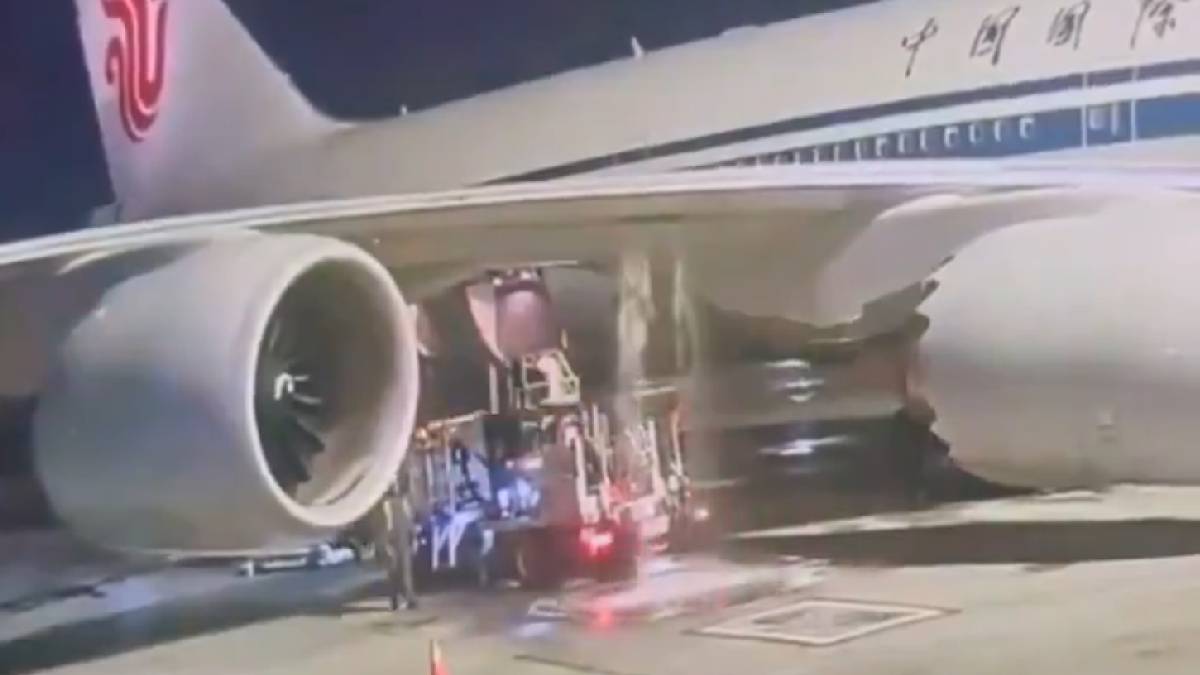
The incident occurred as ground workers were refueling the wide-body aircraft as usual, and as the fuel truck quickly moved, resulting in the vehicle’s connection to the jet fuel system being compromised. The contact caused damage to the fuel port.
Following the damage, fuel began leaking from the affected area. Airport and airline personnel responded to the situation, and safety procedures were implemented to control the leak and secure the aircraft.
Fuel operations around aircraft are carried out under strict safety procedures as jet fuel is highly flammable and any leak needs immediate attention. Ground crews are trained to stop fueling operations and secure the surrounding area if an abnormal situation occurs.
In this case, it seems the refueling vehicle appears to have been in the wrong place at the first sight of the damage. As such, aircraft crews, fueling operators, and ground-handling teams should coordinate very well during aircraft servicing, and the process should be done well.
WATCH: Fuel truck moves during refueling of an Air China Boeing 747-89L at New York's JFK Airport.
— Breaking Aviation News & Videos (@aviationbrk) September 2, 2026
The unexpected movement of the refueling truck caused damage to the fuel port and a fuel leak. pic.twitter.com/qCHIeCUnxC
Boeing 747-8 (which includes the 747-89L version operated by Air China) is one of the largest commercial passenger aircraft in service. Because of its size and its complexity of ground-handling duties, it is common for multiple teams to be engaged during airport turnaround processes, including fueling, catering, baggage handling, maintenance, and pushback.
Damage to a fuel port can have significant operational implications even if an accident occurs while the aircraft is stationary. Maintenance personnel, before the aircraft can return to service, need to survey the affected area, assess if there are structural or mechanical damages, and ensure the fuel system is safe.
The fuel leak also means that the aircraft can’t just carry out its regular schedule without inspection and clearance. Any residual fuel around the aircraft needs to be handled according to airport safety procedures to avoid ignition hazards and environmental contamination.
The incident at JFK underscores the risks of aircraft ground operations, which account for a majority of aviation-related incidents. Unlike in-flight accidents, ground incidents tend to involve aircraft and special service vehicles interacting very close together.
Refueling trucks are usually located near aircraft wings and fuel-system access points. Operators must be careful in moving the fuel truck during fueling because an unexpected shift may damage the aircraft or break the fueling equipment.
The circumstances of the Air China incident will be investigated by the airline, airport authorities, and ground-handling personnel. Vehicle movement, equipment condition, communication procedures, and the sequence of events leading to the damage to the fuel port will be examined by the investigation team.
There were no immediate reports of injuries resulting from the incident. The fuel leak was the primary concern, and the damaged aircraft was then safe to use.
The incident is yet another reminder that aircraft safety is about more than just flight operations. Ground servicing, fueling, and aircraft turnaround are all core activities of commercial aviation, and even a single unplanned movement of equipment can cause aircraft damage and an operational disaster.
Further information on the damage, the aircraft’s subsequent maintenance inspection, and potentially any impact on its scheduled operations will be known as the investigation and assessment continues.