Germany was for decades Europe’s financial disciplinarian. It stood for balanced budgets, resisted over-borrowing by the government and advocated fiscal responsibility across the European Union.
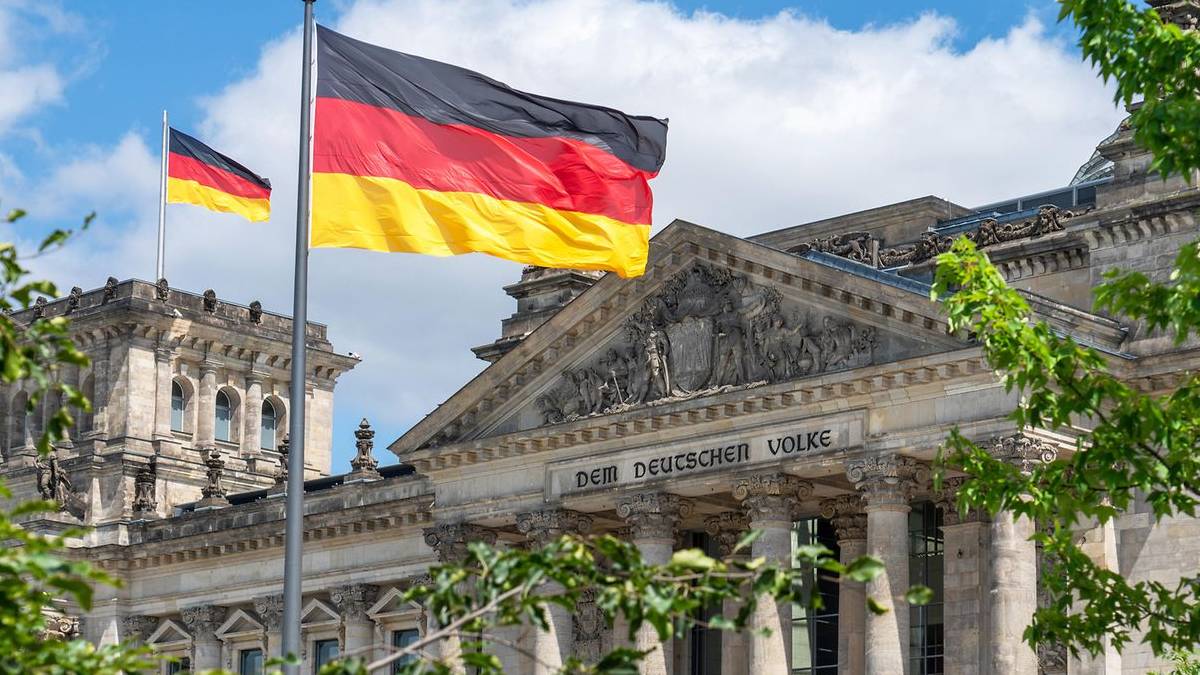
But that long-standing philosophy is now undergoing a radical transformation. Germany will borrow almost €800 billion, one of the world’s biggest spending programs.
The decision is a historic change in economic policy as security threats grow, infrastructure is aging, climate targets are uncertain and there is a need to revive a slowing economy.
Why is Germany borrowing so much?
Germany’s borrowing plan is based on three major priorities defense, infrastructure and economic modernization.
After Russia’s invasion of Ukraine, European security has become a top priority. Germany has decided to dramatically increase defense spending to comply with NATO’s requirements and build up its military capabilities.

Tens of billions of euros will be set aside for modern weapons systems, cybersecurity, military equipment and defense readiness.
At the same time, Germany’s infrastructure is beginning to show signs of aging after years of relatively low public investment. Roads, bridges, railways, schools, hospitals and digital networks need to be upgraded.
And the government believes these investments are crucial for Germany to remain Europe’s largest economy.
Another big focus is the country's transition towards green energy. Funds will support renewable energy projects, electric vehicle infrastructure, hydrogen technology, climate-friendly industrial innovation and climate-friendly industrial development as Germany moves towards carbon neutrality targets.
Breaking away from the “Debt Brake”
Germany’s constitution includes a strict fiscal rule known as the “debt brake” that took effect in 2009 after the global financial crisis.
The rule limits how much the federal government can borrow each year, and has long been regarded as the bedrock of Germany’s financial stability.
But lawmakers are easing such restrictions for strategic investments.
And government officials say that extraordinary global challenges geopolitical tensions, economic stagnation, and climate change necessitate extraordinary financial measures.
But policymakers, rather than seeing that borrowing is foolish and irresponsible, increasingly view it as a necessary investment in Germany’s future competitiveness in the long run.
Economic challenges behind the move.
Germany’s economy has struggled in recent years. Rising energy prices after the Ukraine war, soft exports, weak industrial production and a weakening manufacturing competitiveness have all weighed on the economy.
Public investment has lagged behind many advanced economies for years, making critical infrastructure outdated.
And the economists say that more government spending could spur economic activity, create jobs, encourage private investment, and improve long-term productivity.
In the end the government hopes the borrowing package will be an economic catalyst and will help Germany to address future challenges.
What Does That Mean for Europe?
Germany’s policy reversal could impact fiscal thinking in Europe. Germany is the largest economy of the EU and has been known to have strict budget discipline among member states.
Its willingness to borrow on such a large scale may lead other European governments to invest aggressively in defense, infrastructure, clean energy, and technological innovation.
Germany will be watching closely how it manages its higher debt but still retains investor confidence.
Germany’s debt levels are expected to rise but they are relatively manageable compared to other advanced economies in the world.
Looking Ahead
Germany’s 800 billion borrowing plan means more than more government spending– it is a revolution in the country’s economic philosophy.
Berlin is betting on strategic investments today to boost national security, modernize public infrastructure, accelerate the green transition, and restore economic growth after years of balanced budgets.
Whether this ambitious strategy will work will depend on the efficiency and long-term economic savings of the investment.
Whatever happens, however successful this plan will be, Germany’s decision will already change the debate around public debt and economic policy in Europe in the next few years.