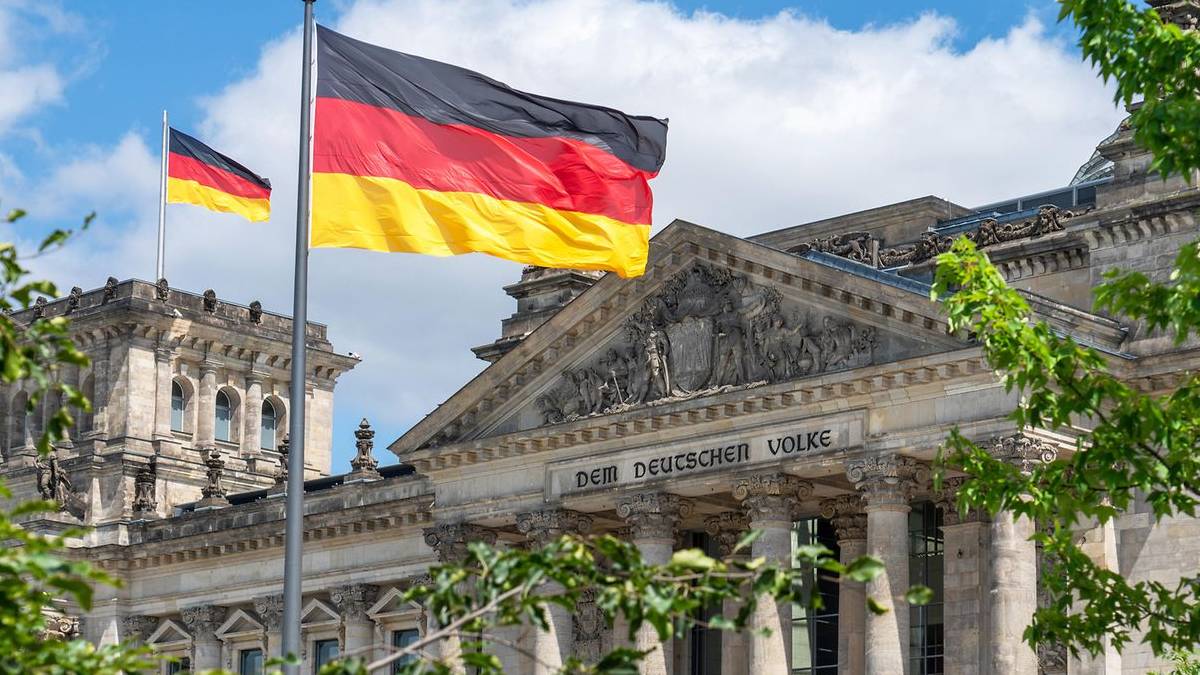
Workers in Germany could soon be under even more restrictions on sick leave as the government is tightening the rules of working and going to work in the sector as part of a broader economic reform agenda. Under the proposed changes, workers will need to provide a medical certificate from the onset of illness from the very first day of illness, and it will be too late to simply call or text the first time they are sick to take sick leave.
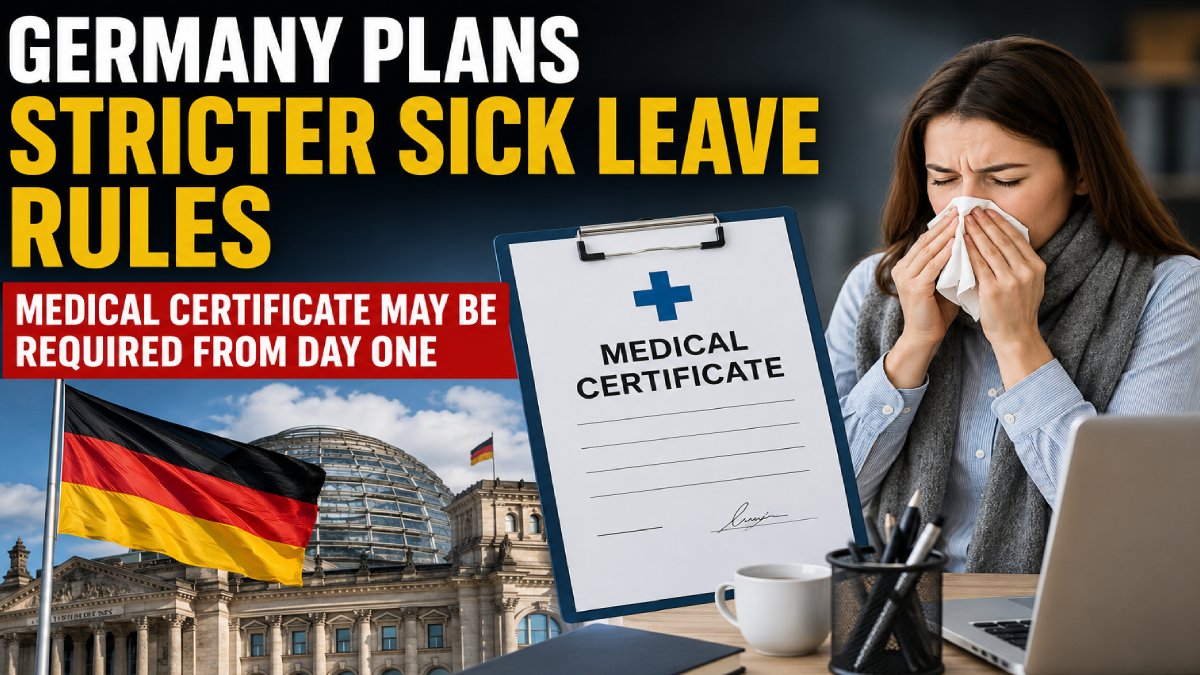
The proposal is part of a 34-point economic reform package driven by the government led by Chancellor Friedrich Merz. Longer employee absences are a growing concern for businesses to take care of and are undermining productivity, competitiveness, and economic growth, the government argues.
If implemented, the new rules would allow employers to demand a doctor’s certificate from the first day an employee reports sick. That’s a sea change from when workers could often inform their employer of an illness through a phone call, email, or messaging apps like WhatsApp.
The government officials say they will also attempt to minimise unnecessary absences and to have a more transparent system in place to assess employee leave. Merz has described it as a big deal, but a necessary decision to solve the economic problems which are posed by German businesses.
The sick leave proposal is just one piece of a much larger reform package to make Germany’s economy stronger. The government has proposed taxation, labour laws, pensions, and business regulations.

The key proposals are tax relief for low-income workers and increased tax contributions from higher-income earners. Pension and retirement age increases will be part of the reform package, and we are also talking about raising the retirement age from 67 years to 70 years or more in the future.
Businesses could also be helped by more flexible employment rules. The government is mulling allowing firms to hire new people on fixed-term contracts for up to four years. Other proposals would make it easier for employers to dismiss highly paid workers while providing compensation safeguards.
Government officials say high levels of sick leave are adding to employers’ and the economy’s burden. Medical documentation is required earlier, and companies will have more control over employee absences and workforce planning, officials say.
Finance Minister and Vice Chancellor Lars Klingbeil has also stressed that people earning more than €250,000 a year need to contribute a greater share to make Germany's economy stronger and to ensure that the future of Germany is profitable.
But labour and employee representatives are divided on how to deal with the proposed changes. Criticism has been mounting about an issue: medical certificates requiring workers to get one on the first day of ill health could put even more pressure on people who are in a weakened state. Labour unions have also expressed concern that the policy could put pressure on healthcare providers in general because more people will want to go to the doctor only to get something as a form of documentation.
The reforms are expected to be discussed in parliament, and the government aims to get approval for major provisions by the end of the year. If adopted, the new regulations would affect millions of workers in Germany - international employees and expatriates.
With the benefits of productivity and lower absenteeism, the measure would be the focus of supporters; workers’ welfare and workplace rights should remain the focus of opponents. The debate will be ongoing in Germany as economic competitiveness and worker protection will be at odds in one of Europe’s largest labour markets.