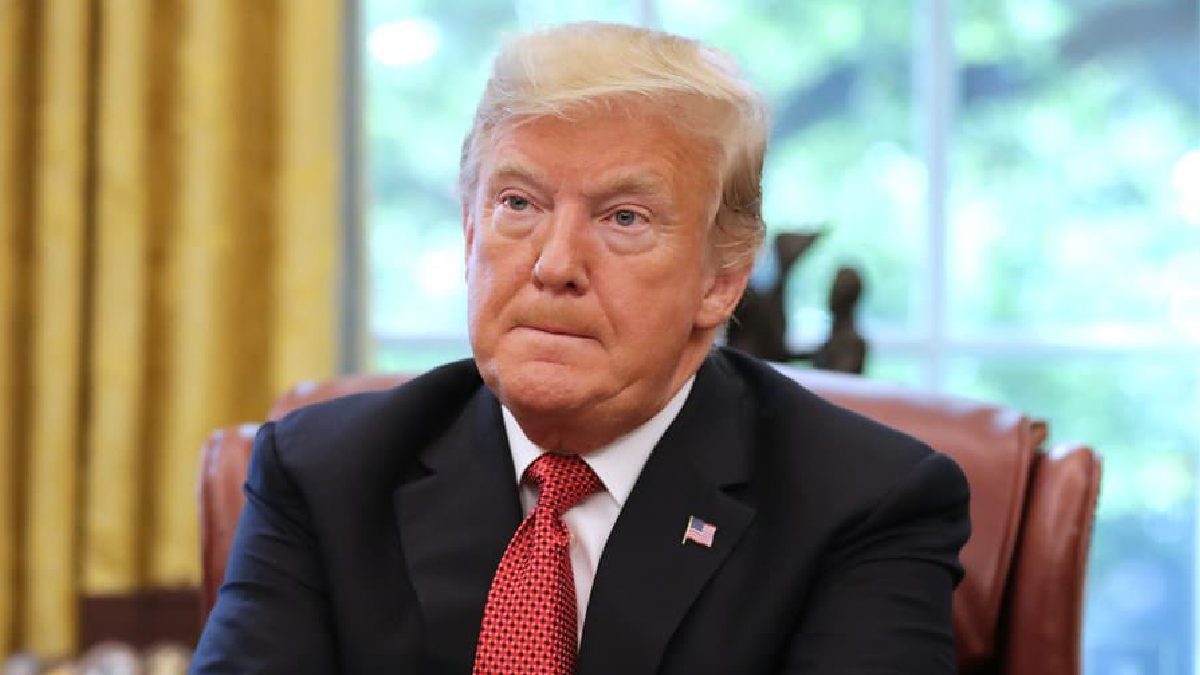
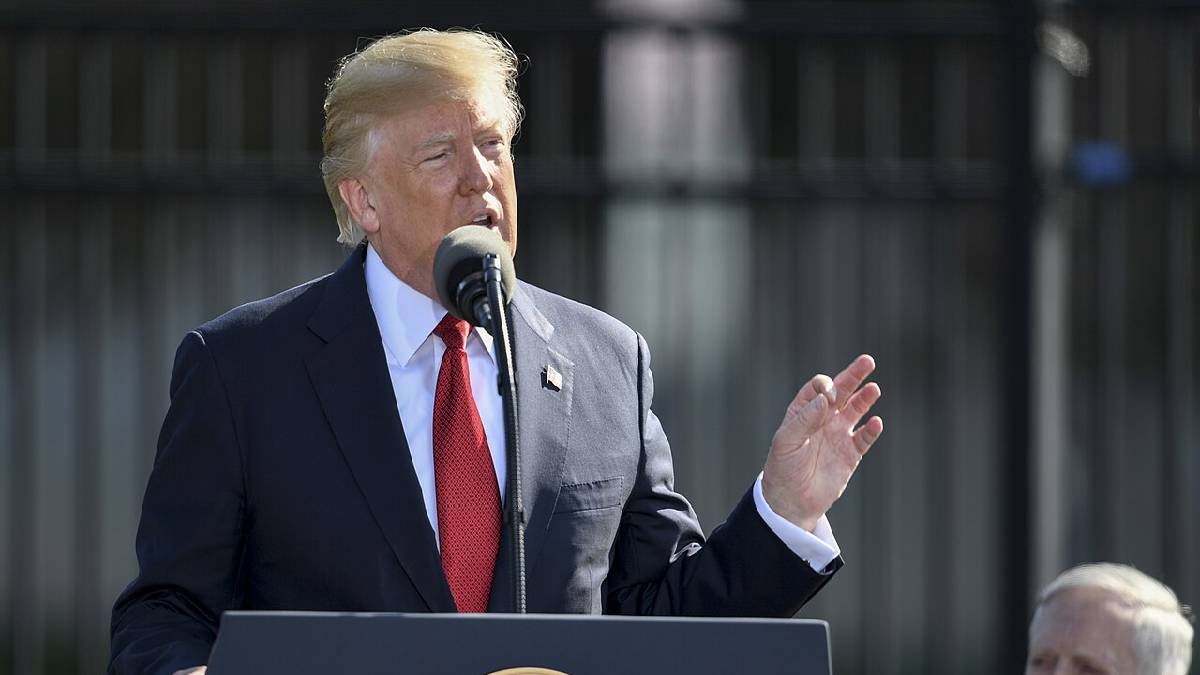
U.S. President Donald Trump has sanctioned and officially "greenlit" a big bipartisan bill that would cripple Russia’s energy revenues. After a fruitful lunch discussion on Jan. 7, 2026, US Senator Lindsey Graham said the President was supporting the "Sanctioning Russia Act of 2025" - which calls for a 500% tariff on nations who persist with buying cheap Russian oil, gas and uranium.
The bill, co-authored by Senator Richard Blumenthal (D-CT), Graham is calling an "economic bunker buster" crafted to allow the White House "tremendous leverage" on some of the world’s largest economies: India, China, and Brazil.
The Geopolitical Gamble: Why 500%?
At the core of the mandate, the legislation seeks to halt the provision of funding to the Russian military apparatus. Even after years of sanctions, India and China have remained the world’s largest consumers of Russian crude, with India consuming about 38% of Russia’s exports as at late 2025.
The Leverage:
The bill lets the U.S. President levy a minimum 500% tariff on all goods and services imported from countries that “knowingly” trade in Russian energy. The Timing: The push comes as Ukraine yields points for peace, and Washington hopes to use a final “hammer” that will force Moscow into decisive negotiations.
- Bipartisan Support: The bill now holds a veto-proof supermajority in the Senate with over 84 co-sponsors, showing a united American stand against Russian energy dependencies.
- India in the Crosshairs: An Expanding Trade Tiff. India has become the most politically sensitive country to Trump’s trading pacts at the moment. India has already been dealt a total levy of 50% under the process of “Liberation Day” exercise of 2025 (an equivalent to 25% both a reciprocal duty plus an additional 25% penalty for Russian oil purchases).
Bharat Won’t Bow
New Delhi’s Defiant Stand The feelings of New Delhi have not changed though, despite the rising threats. Foreign Minister S. Jaishankar has said times ago that India would "cross that bridge when it comes to it" and said that energy security for 1.4 billion people cannot be sacrificed for external political pressure.
Sovereign Right:
India has disavowed that U.S. claims Prime Minister Modi offered assurances that he would prevent Russian oil purchases.
Market Realities: India is buying more oil to balance the scales from the U.S., and even though buying it at discounted rates is at least a way of dealing with inflation at home, they continue to purchase Russian crude.
Historical Resilience
Indian officials said India has been seen to be a standout during the 1971 crisis, but that it will not be deterred by "unreasonable and unjustified" trade penalties in 2026.
A trade war in its air (or on the horizon, at least?) The Sanctioning Russia Act will be proposed for bipartisan review as soon as next week. If passed, it would be the most aggressive use of trade policy as a geopolitical weapon in modern history. Though Senator Graham claims that “this stuff works” — tapping into a recent decline in Indian imports — the threat is that extreme tariffs could lead to further isolate key allies and draw them tighter to the BRICS bloc. As the global debate turns to the U.S. Senate next week, the question is – will the 500% “hammer” bring Ukraine peace or start a global trade war to reshape the economy of the 21st century?