Saudi Arabia’s Ministry of Defense said early Tuesday the U.S. Embassy in Riyadh was targeted in a drone strike, further expanding the ongoing regional conflict. Military officials said that the incident caused a “limited fire” and “minor material damage,” with no injuries or casualties confirmed at the site. The strike on the diplomatic compound follows a barrage of aerial provocations across the Arabian Peninsula and the continuing vigilance of the Kingdom’s air defenses.
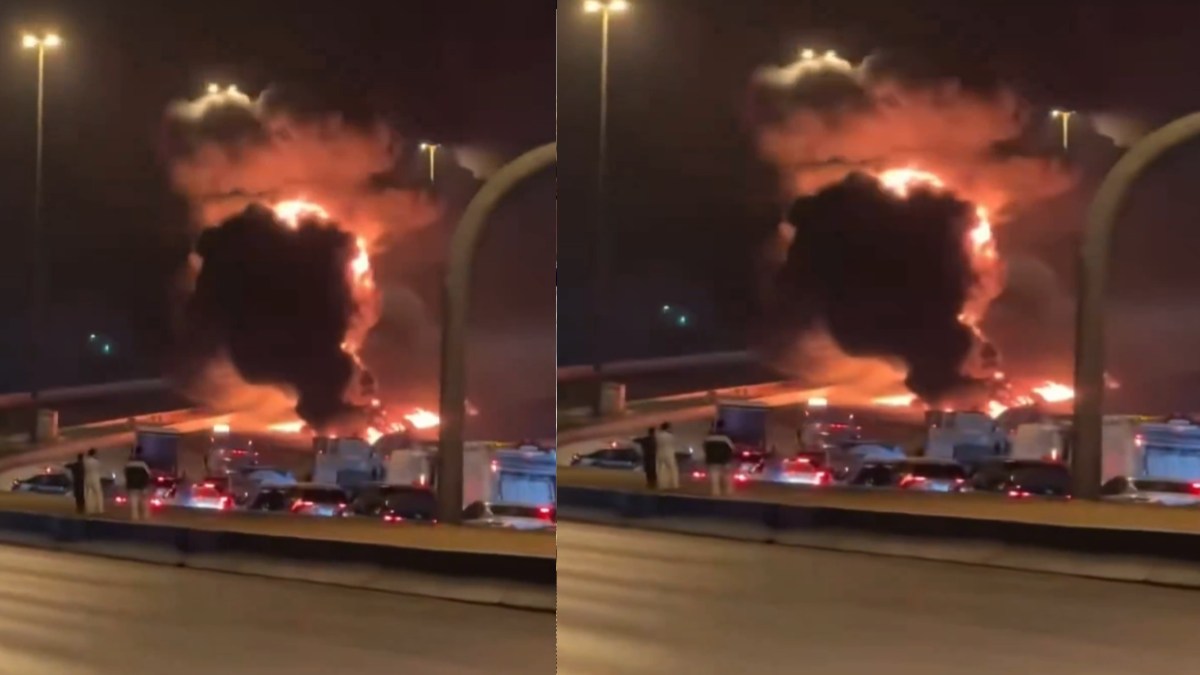
Energy Infrastructure Under Fire
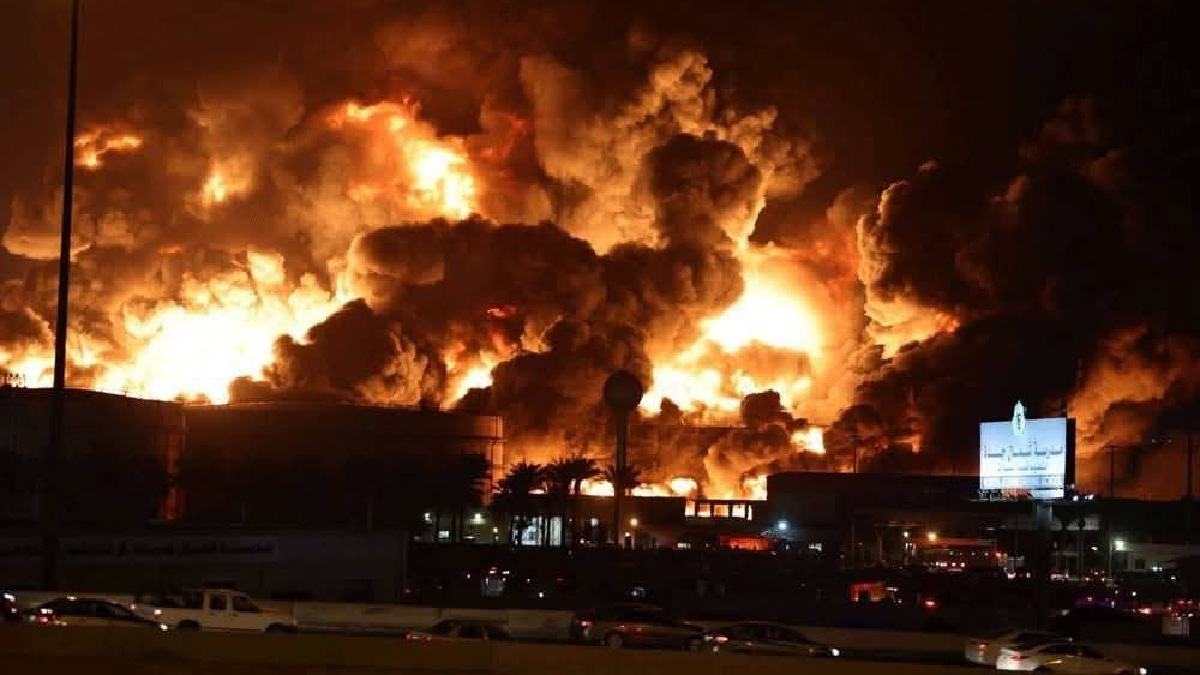
The embassy strike is the latest on a wave of sophisticated drone and missile strikes targeting energy giants. Following debris hit by intercepted Iranian drones, Saudi Aramco had to shut down its Ras Tanura refinery one of the world’s largest oil processing facilities on Monday. “The facility was shut as a precautionary measure to ensure the safety of workers and evaluate material integrity,” an industry source said.
Although Tehran officially denied direct responsibility, insisting the chaos stemmed from Israeli “false flag” operations, U.S. intelligence has connected the weapon kit used in the strikes to Iranian manufacturing. Other attacks have been recorded at energy plants in Qatar and the United Arab Emirates, disrupting global supply chains and spurring increases in Brent crude prices.
Trump Vows "Swift Response"
President Donald Trump spoke in Washington to the mounting list of casualties and infrastructure damage. Presented to reporters it was announced that a tactical response is being finalized.
- Retaliation: Trump said that a response to the embassy strike and deaths of American personnel in the area would take place "very soon."
- Duration: The administration is indicating that its current campaign, called Operation Epic Fury, could last four to five weeks, yet it is ready for a longer engagement.
- Objective: The United States maintains that the foremost objective is the total neutralization of Iran’s long-range missile and nuclear capabilities.
Regional Outlook
With the Gulf states gearing up for further escalation, the humanitarian and economic toll is escalating. International airlines have decided to suspend flights to key hubs like Dubai and Doha, and the State Department has placed a “Level 4: Do Not Travel” advisory for most of the Middle East. With the Strait of Hormuz effectively a bottleneck for global energy, analysts caution that further strikes on Saudi and Qatari infrastructure could result in “triple-digit” oil prices in the week ahead.