New missile and drone attacks from Yemen’s Iran-backed Houthi rebels on Saudi Arabia have reignited fears of a wider Middle East conflict and increased the risk that global oil markets could go into another major shock. Saudi authorities confirmed 13 civilians were injured after the latest strikes hit military bases in the kingdom’s south in the worst-hit region.

According to media reports, the Houthis launched dozens of missiles and drones against a military airbase in Khamis Mushait, targeting radar systems, aircraft hangars, ammunition depots and other infrastructure. The Saudi-led coalition spoke about a dangerous escalation and activated emergency response measures in multiple southern cities.
The latest strike comes at a critical time for global energy markets. Oil traders are already anxious about disruption in the Middle East after attacks on Saudi Arabia’s key East-West Pipeline, one of the kingdom’s most important export routes, have hit the Red Sea pipeline to the outside world and its oil traders. Attacks have taken weeks to take the pipeline offline, and supply shortages are growing in recent weeks.
Analysts say the long-term impact on the global economy could be profound for the energy sector if Saudi oil infrastructure is disrupted. Saudi Arabia is still one of the world’s largest oil exporters, and any disruption to Saudi oil production means a major impact for the global economy. Saudi Arabia remains one of the world’s biggest oil producers, and even short-term disruptions to it can push oil prices up. Oil prices have already increased to $108–$109 per barrel, and there are fears of regional instability and supply shortages in the country, even as supply is already increasing.
The security situation around key maritime routes is also becoming more uncertain. Houthi forces have expanded their reach into Yemen’s western coastline and on the Bab el-Mandeb Strait, the main shipping channel from the Red Sea to the Gulf of Aden. Control of this chokepoint and the ongoing tensions around the Strait of Hormuz have intensified the danger that global energy shipments could be disrupted again.
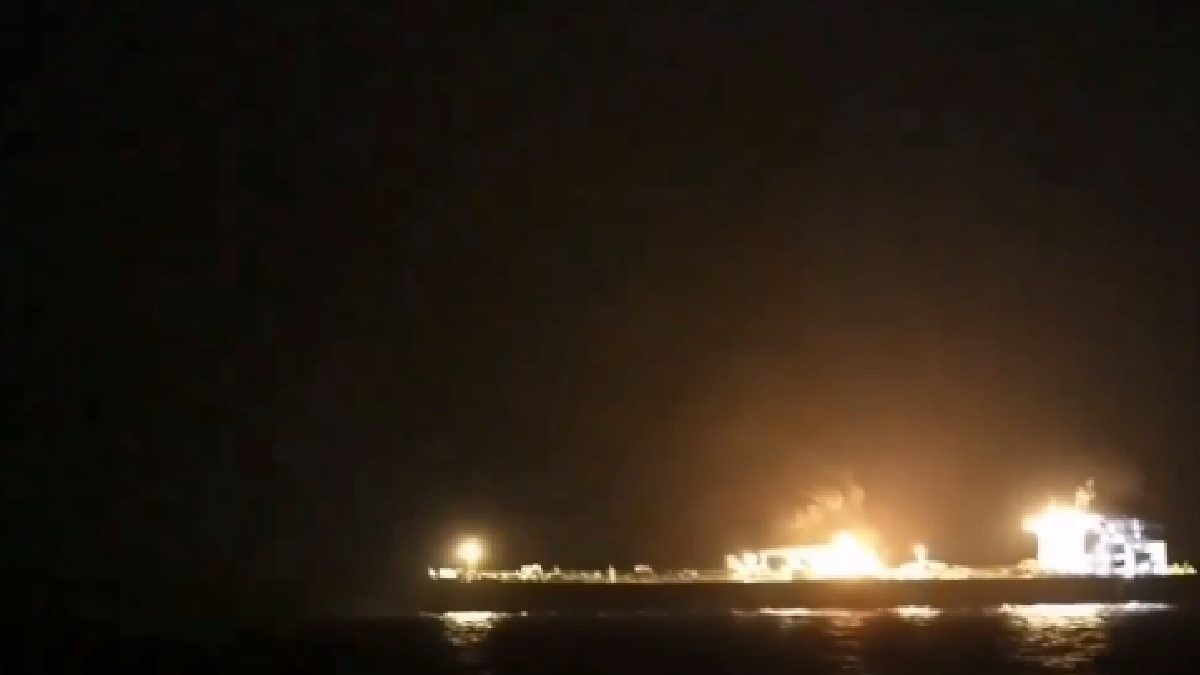
The overall picture is equally alarming. Talks between Gulf states and Iran on maritime security and shipping routes have been postponed, which has put hopes for a diplomatic breakthrough in doubt. And with military activity and political tension at an all-time high, investors are pricing geopolitical risk into energy markets.
Historically, attacks on Saudi energy infrastructure have had a huge impact on oil prices. 2019 attacks on major Saudi oil facilities triggered a sharp spike in crude prices and showed the vulnerability of global energy supplies to regional conflicts. Market participants fear a similar scenario will be exacerbated if the current hostilities continue to escalate.
For now, oil markets are highly sensitive to developments in Saudi Arabia, Yemen, and the larger Gulf. Global supplies are still available, but a mix of missile attacks, damaged infrastructure, shipping risks, and a lack of diplomacy has created a volatile situation in which missile attacks, damaged infrastructure and frozen diplomacy are on the rise. If further attacks hit oil facilities or export routes, in the future the world will once more get hit by oil pipelines, energy prices, transportation costs and inflation and prices will be affected.
The coming weeks will be critical. If the situation goes into de-escalation or a larger regional clash, then not only will Middle East security be affected, but also the future of global oil markets.