There are concerns over water pollution and public health in Tiruchirappalli as untreated sewage from the Panchappur Sewage Treatment Plant has been discharged into the Koraiyar River. The discharge has raised concerns among local people and farmers.
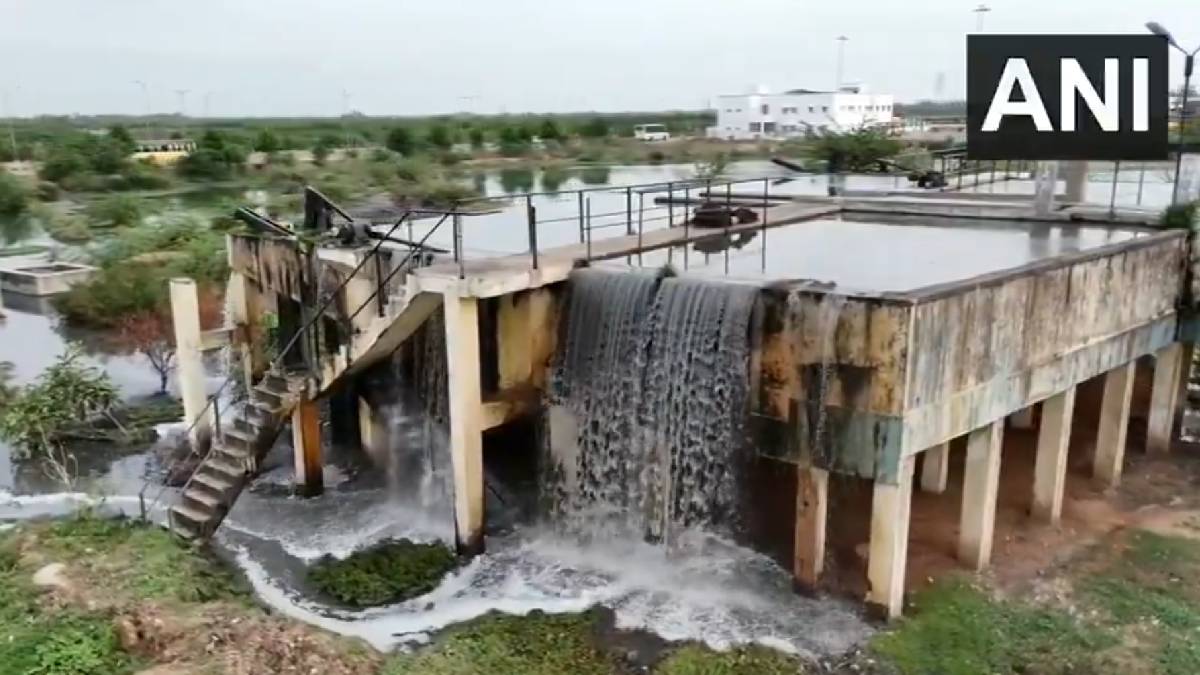
The Koraiyar is especially alarming because it is a part of the Cauvery river system. Residents fear the continued flow of untreated sewage would negatively affect water quality downstream and endanger communities and agricultural activities that rely on the local water resources.
Sewage treatment plants are designed to filter out harmful pollutants before the treated water gets released into the environment. If a treatment facility fails to operate properly, untreated or poorly treated wastewater can be released into rivers and other water bodies. Pathogens can be present in those water bodies, and excess nutrients might also be present in the water and contribute to the health of the aquatic ecosystem.
The Panchappur plant has been under siege by residents who are demanding the plant be inspected and corrected. They want the treatment system restored at the earliest so that sewage is properly processed and the drinking water is not contaminated.
#WATCH | Tamil Nadu | Untreated sewage from Panchappur Sewage Treatment Plant in Tiruchirappalli allegedly discharged into Koraiyar River, which flows into the Cauvery, raising concerns over water pollution and public health
— ANI (@ANI) September 15, 2026
Residents and farmers demand immediate action from… pic.twitter.com/RHT2WPsXsY
Farmers have also expressed concern about how agricultural water supplies would be affected if polluted water gets transported to irrigation sites and if this is sustained as long as the soil quality is poor and crops, livestock, and farming are affected. There has been increased pressure on authorities to examine the water quality in the affected areas and see if the contamination has spread downstream.
The alleged discharge into the Koraiyar has also brought to light the importance of sewage infrastructure in urban areas. With high populations and wastewater generation, treatment facilities must be in place to prevent untreated sewage from reaching rivers, canals, and other natural water bodies.
The residents and farmers are calling on the concerned departments to immediately respond to the problem and to do so by inspecting the Panchappur Sewage Treatment Plant, if necessary, and repairing or refurbishing it if needed, and to stop untreated wastewater from entering the Koraiyar. They want water quality monitoring and testing to check if there is water contamination.
The incident has raised fresh concerns about the protection of river systems in Tamil Nadu and the need for effective wastewater management. Eliminating untreated sewage from entering water sources will help to protect the environment and communities who depend on rivers and connected water sources for agriculture and other daily needs.
The authorities will therefore assess the situation and take appropriate action based on technical inspections and water-quality tests. The extent of pollution and the consequences to the Koraiyar and downstream Cauvery systems will be difficult to establish until these analyses are complete.
The allegations underline the need for timely maintenance of sewage treatment infrastructure and strict monitoring of wastewater discharge to ensure that untreated sewage does not continue to contaminate important water resources in and around Tiruchirappalli.