The case in Rajasthan has galvanized maternal healthcare in India after a woman sought euthanasia for kidney failure following her pregnancy.
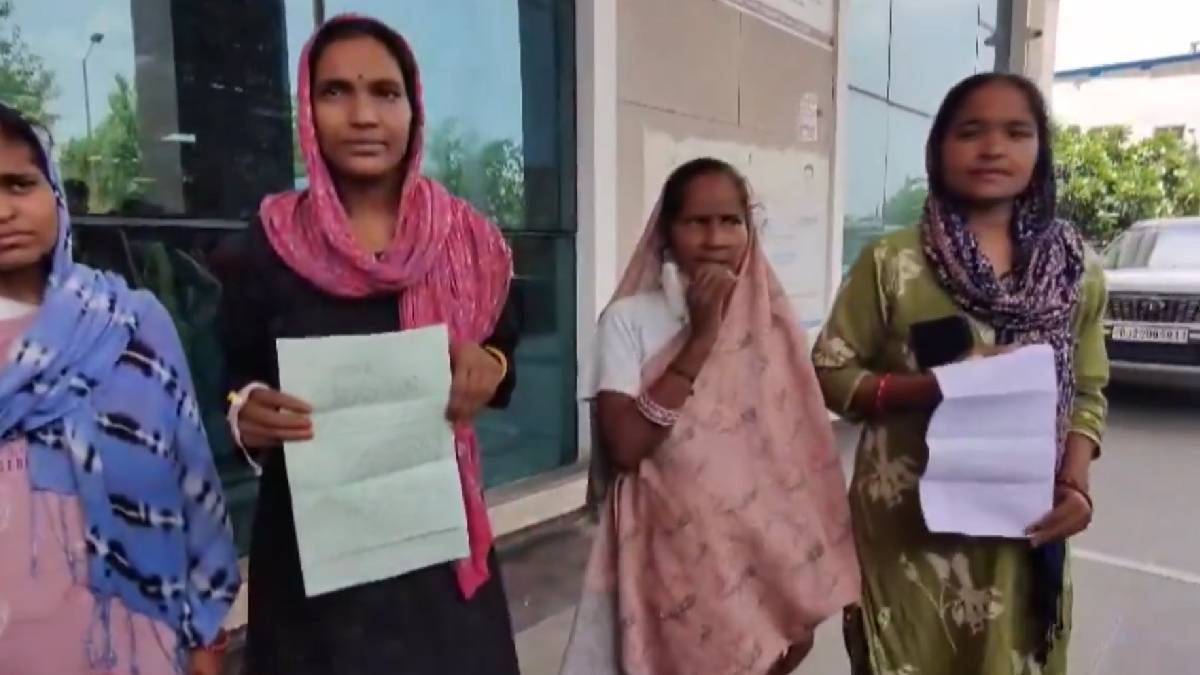
It has raised a lot of alarms over postpartum health problems and the need for timely diagnosis and treatment of new mothers.
According to reports, she had serious health problems after giving birth to her baby. What was previously normal post-delivery discomfort gradually worsened with the woman’s kidney failure.
The long illness not only put her physical health in pain but also put a tremendous emotional and financial strain on her family, and she was forced to go for euthanasia.
Pregnancy and childbirth can come with life-threatening complications right after successful delivery, the case has shown. Most women recover within weeks, but some develop life-threatening medical conditions that need immediate attention.
Postpartum kidney failure can happen for a variety of reasons, medical professionals say.
Blood loss during pregnancy and severe infections (sepsis), uncontrolled high blood pressure, preeclampsia, eclampsia, dehydration, or complications affecting blood circulation can affect the kidneys. Pre-existing but not yet diagnosed kidney disease may also worsen after pregnancy.
“Can't go on with dialysis; give us kidney transplant or allow us to die.”
— News Arena India (@NewsArenaIndia) July 16, 2026
- Kota C-section victims write to President
Ragini Meena, 29, is now entirely dependent on dialysis to stay alive.
“We have been here for 70 days now. Three times a week, we undergo dialysis.
We are… pic.twitter.com/b5qL6PdepF
Doctors stress that early diagnosis greatly improves the chances of recovery. But many women don’t look out for early warning signs, assuming that they are part of the normal recovery process after childbirth. Long-term kidney damage from delayed treatment can be permanent or require dialysis.
Warning Signs New Mothers Should Never Ignore
If a woman is having women’s health problems, health professionals urge her to seek medical treatment as soon as possible.
Reduced or no urine output. Swelling of the legs, feet, face, or hands. Persistent high blood pressure. Severe fatigue and weakness. Shortness of breath. Continuous nausea or vomiting. Blood in the urine. Severe headaches or blurred vision after delivery. High fever or signs of infection. Persistent abdominal pain that does not improve.
The immediate assessment of the symptoms of a medical condition or illness before it becomes life threatening can help in detecting serious complications.
The Rajasthan case has also prompted discussions about access to quality maternal care in rural and underserved areas. Public health experts say postpartum check-ups are as important as prenatal care. Many complications develop days or even weeks after pregnancy and follow-up is crucial.
We encourage family members to closely monitor new mothers during the first 6 weeks after delivery. Early diagnosis of problems is made with emotional support, proper nutrition, adequate hydration and regular health checks.
While discussions about euthanasia are still on the rise and the legal and ethical aspects of euthanasia are still under discussion, the case of the woman is only one more reason to improve postpartum healthcare in India.
It will be better for the public if more awareness is raised, better diagnosis and treatment is made in a humane way and the quality of life of thousands of new mothers every year is improved if we are to reduce the number of deaths and prevent them from happening.