And Vance, the US vice president, admitted that the Trump administration’s communication of the release of the Jeffrey Epstein files was not well-developed and confused the public and opened speculation. Vance said he never felt the administration was trying to hide evidence or shield anyone connected with the case.
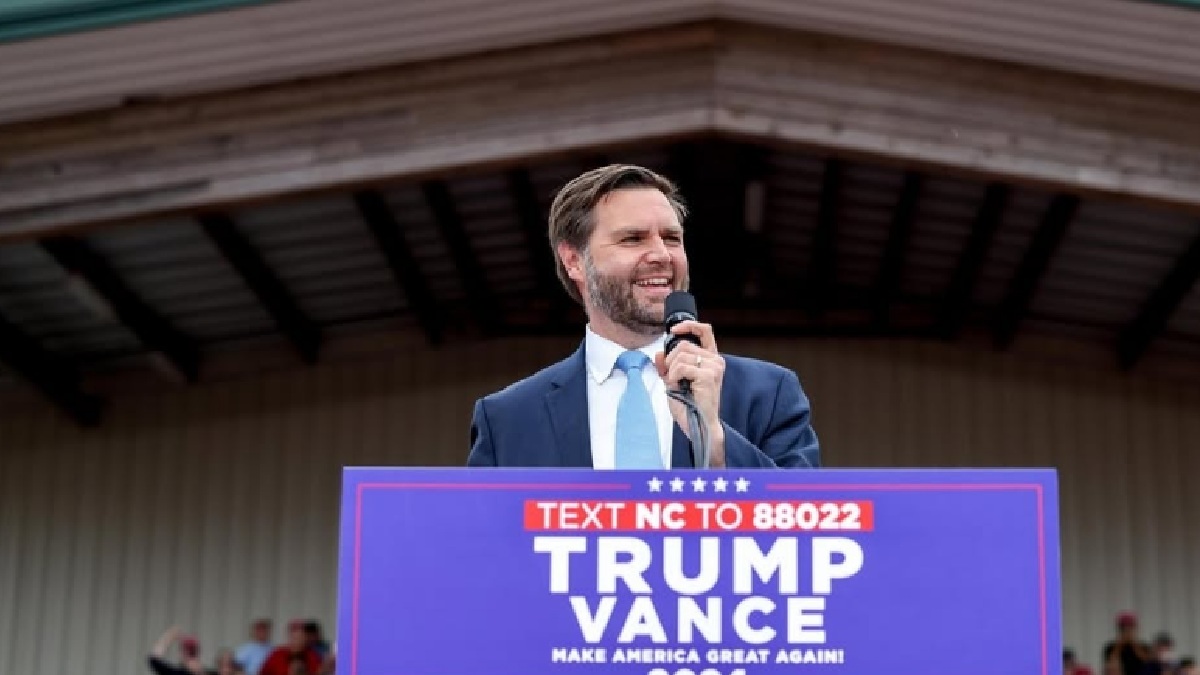
Vance said on The Joe Rogan Experience podcast that the administration should have released all of the information from the start rather than let uncertainty be the focus of the public discussion.
"We absolutely screwed up the comms of the Epstein files. Like, we just did," Vance said. "But do I think the reason we screwed up the comms is because we were trying to hide something? No."
His comments are among the clearest acknowledgements from a senior Trump administration official that the government’s handling of the Epstein files failed to meet public expectations.
Vance Defends Pam Bondi
Vance also called out former Attorney General Pam Bondi, who had already been criticized for her comments about the Epstein investigation.
Bondi had said Epstein's alleged “client list” was “sitting on my desk right now,” and there had been widespread speculation that the administration was preparing to release explosive new evidence.
Vance felt Bondi had simply overestimated the significance of the material in his opinion.
"I know Pam. I like Pam. I don’t think there was anything malicious going on," he said. "I think Pam was reacting to the political moment. I do think she overstated what we had and what we didn’t have."
Bondi also received criticism for sending binders called “The Epstein Files: Phase 1” and “Declassified” to conservative commentators and social media influencers. Some of the contents were later revealed to contain documents already available, and critics said the publication was oversold.
Delays Increased Public Distrust
The Trump administration’s handling of the Epstein files was one of the most politically sensitive issues of Trump’s second term and drew criticism from Republicans and Democrats.
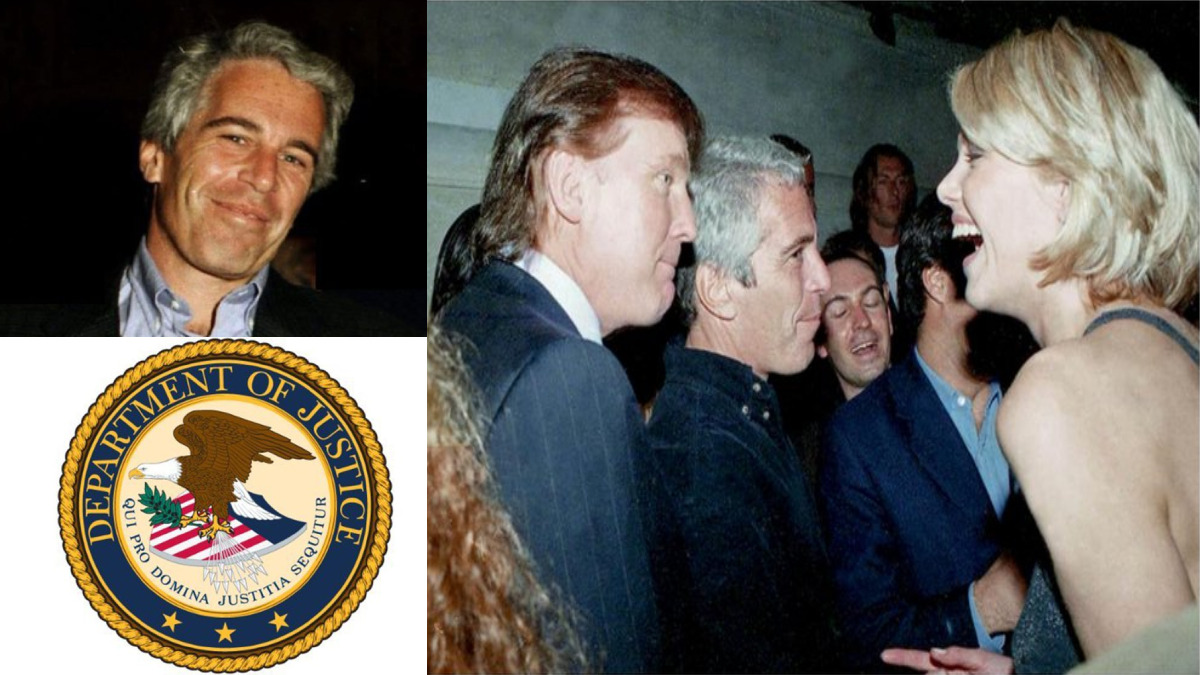
After months of pressure from lawmakers and the public, in March, Congress passed legislation requiring the U.S. Department of Justice to create a much larger collection of records of federal investigations of Epstein’s cases.
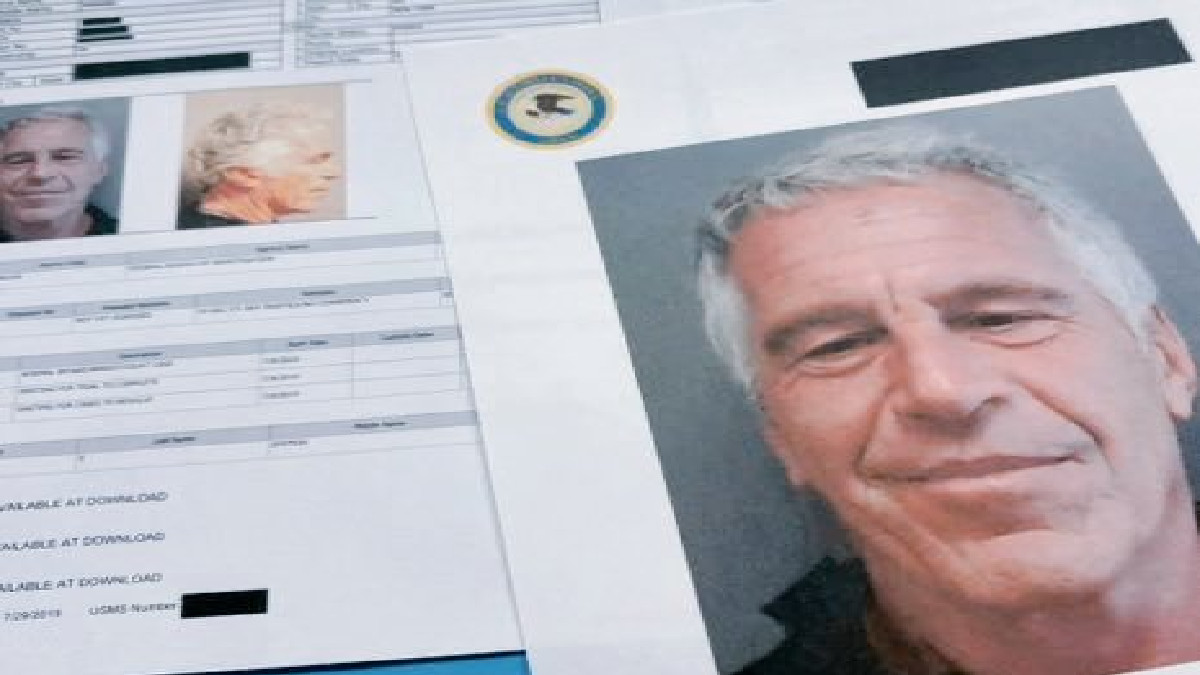
In December, the Justice Department began posting batches of documents—photographs, call logs, interview transcripts, and grand jury records—on its website.
But many of the released files were heavily redacted, and even after more records were released, more documents were not released at all, leading to new criticism that the government was not being transparent.
The slow release of information and extensive redactions only deepened public distrust, and supporters of greater disclosure continued to push for all of the records to be made public.
Communication, Not a Cover-Up
When Vance acknowledged the administration’s mistakes, he said there was no systematic effort to hide the Epstein investigation evidence.
The vice president said the problem was a consequence of bad communication and not a conspiracy to suppress information.
His comments come as Epstein’s case continues to generate huge interest in the investigations and demands for more government records.