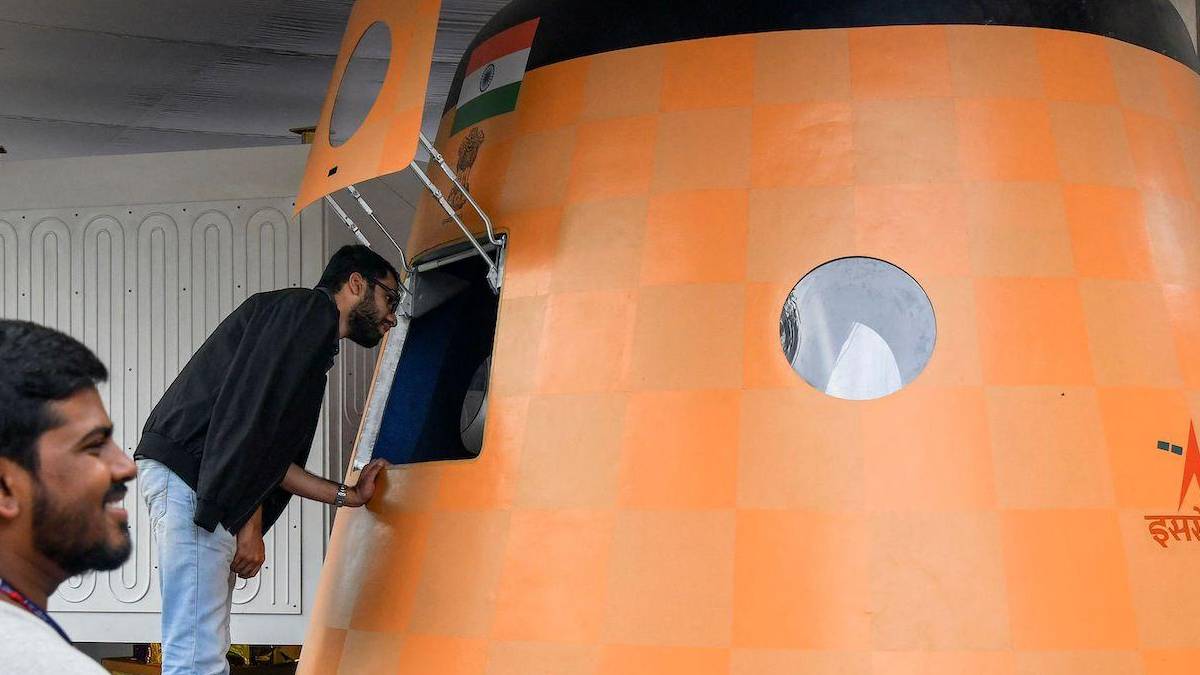
The Department of Space (DoS) has introduced stricter rules for scientists who resign and volunteer to retire in the Indian Space Research Organisation (ISRO) critical missions, after it has been reported that more than 100 scientists left the organisation in recent months. It also wants to ensure that the important projects like Gaganyaan, India's first human spaceflight mission, can be carried out at the same time.
According to the internal memo issued on July 14, resignation and voluntary retirement requests from scientific and technical personnel attached to flagship missions will no longer be accepted as a routine administrative matter. Instead, those requests must be referred to the Department of Space for final consideration. The policy change follows a 2020 policy that has given more power to ISRO centre directors to approve exits.
🚨 BIG! Govt tightens ISRO exit rules after scientist exodus
— The Analyzer (News Updates🗞️) (@Indian_Analyzer) July 16, 2026
Centre has tightened Resignation rules after around 120 ISRO scientists QUIT over the past year, many of them associated with Gaganyaan and other flagship missions.
The changes:
— Resignations from Group A scientists… pic.twitter.com/RBdmlrbNKs
The policy change comes amid increasing concerns about talent retention at India's premier space agency. In the last few months, 100 to 120 scientists have resigned from the U R Rao Satellite Centre (URSC) and the Vikram Sarabhai Space Centre (VSSC). Some were those who were involved with national missions.
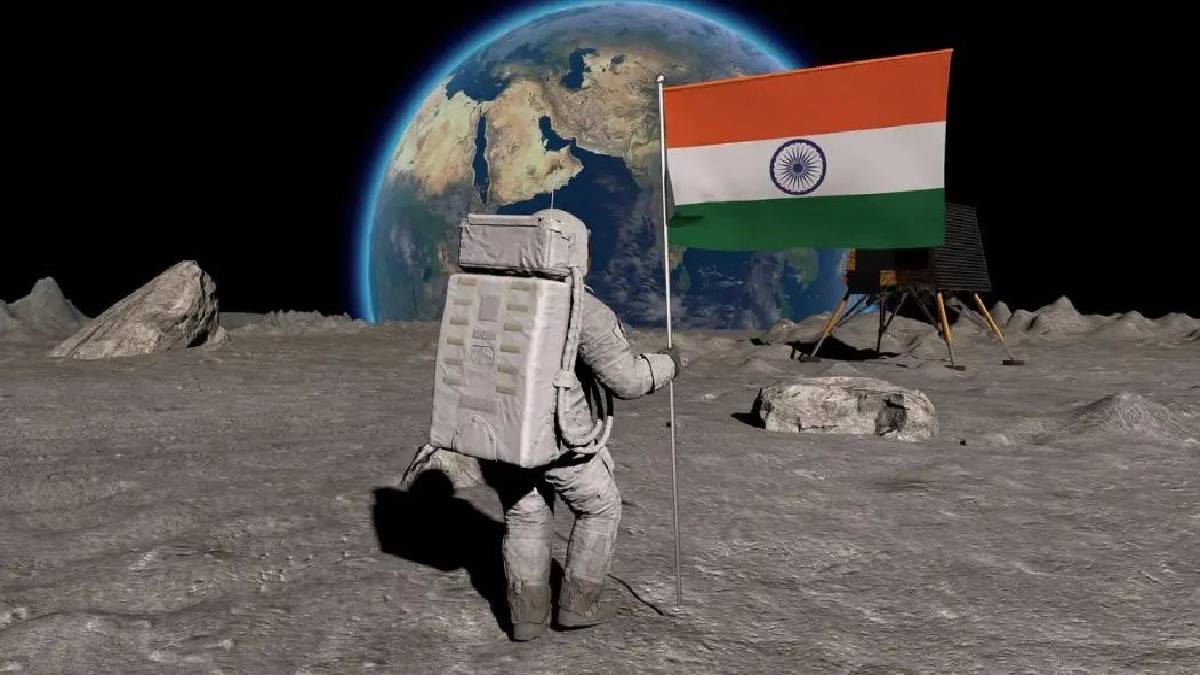
The Gaganyaan programme, one of India's most challenging space projects, aims to send Indian astronauts to low-Earth orbit on an indigenously developed spacecraft. Besides Gaganyaan, ISRO is also working on advanced launch vehicles, Earth observation satellites, planetary exploration, space science, navigation systems, and commercial satellite launches, among others. It is therefore necessary to keep scientific experts at the helm to meet project timelines and to guarantee the success of missions as well.
So, Centre Directors and Heads of Units have been advised not to routinely approve resignation or voluntary retirement requests from Group 'A' scientific and technical personnel associated with important missions. All such applications will be referred to the Department of Space, and detailed recommendations will be made before a final decision is taken.
The recent departure of ISRO Chairman V. Narayanan has admitted to these personnel issues, but he maintained that major projects of the organisation will go on in the organisation without disruption. While employee attrition is not something new, the new policy would also be to prevent national missions from being starved of experienced staff and staff who could not be relied on to do the job, he said.
Industry observers highlight some reasons for scientists to migrate to India’s rapidly growing private space industry, startups, academia, and international research organisations. Rapid growth in commercial space companies has opened new career paths for highly skilled aerospace engineers, scientists, and technology professionals.
While administrative efforts can help maintain experienced personnel in critical mission stages, long-term talent retention is also a function of career advancement, research opportunities, competitive compensation, and access to cutting-edge technologies, the experts say. As India’s space ambitions continue to expand, a strong scientific workforce will be critical to maintaining innovation and execution.
India’s space programme has had numerous successes in recent years, including the Chandrayaan-3 Moon landing, Aditya-L1 solar mission and commercial launch services. Upcoming projects such as Gaganyaan, future lunar missions, and advanced satellite programmes require a lot of specialized support from engineering, propulsion, avionics, robotics, and mission operations.
The decision of the Indian government to make such a decision highlights the importance of preserving institutional knowledge and skills in ISRO in a time of rapid growth in India's space activities. The Department of Space will make those decisions about resignations from the main missions within the centralized system of decisions to maintain project continuity and uphold the national interest in one of the country’s most important scientific and technological sectors.