India has asked Japan to exercise caution in sharing advanced defence technology and technical know-how with Pakistan, citing concerns about Pakistan’s past ties with North Korea’s nuclear programme. The issue was also highlighted in talks at a high level of defence dialogue between Indian Defence Minister Rajnath Singh and Japanese counterpart Shinjiro Koizumi in New Delhi on Thursday.

Koizumi is on his first visit to India and begins with a high-profile visit to the Western Naval Command in Mumbai. The talks with Singh come as India and Japan are seeking a deeper strategic and defence alliance as there are growing security concerns in the Indo-Pacific.
India’s concerns over technology transfers to Pakistan are rooted in the country’s past involvement in nuclear proliferation. U.S. intelligence agencies have previously linked Pakistan with the transfer of uranium enrichment technology to North Korea. Pakistani nuclear scientist Abdul Qadeer Khan, who is regarded as a key player in Pakistan’s nuclear weapons programme, has said centrifuges, designs and technical support have been provided to North Korea.
The relationship between Pakistan and North Korea has been going on for decades. In 1976, Pakistani Prime Minister Zulfikar Ali Bhutto visited Pyongyang which put the two countries in touch. In December 1993 former Prime Minister Benazir Bhutto also visited North Korea. And their relationship has also attracted international attention, especially after the US publicly linked Pakistan to North Korea’s covert uranium enrichment program in 2002.
In this context, New Delhi’s message to Tokyo was an indication of concern that advanced military technology transferred to Pakistan may be diverted, shared or even transferred to countries that are hostile to India and its partners. The issue is particularly vital since Japan has been reviewing and expanding its framework for the transfer of defence equipment and technology.
However, the India-Japan talks were not only about Pakistan or technology safeguards. The two countries made significant efforts to strengthen bilateral defence cooperation, maritime security and peace in the Indo-Pacific. The meeting also produced the first joint statement of India-Japan on defence cooperation.
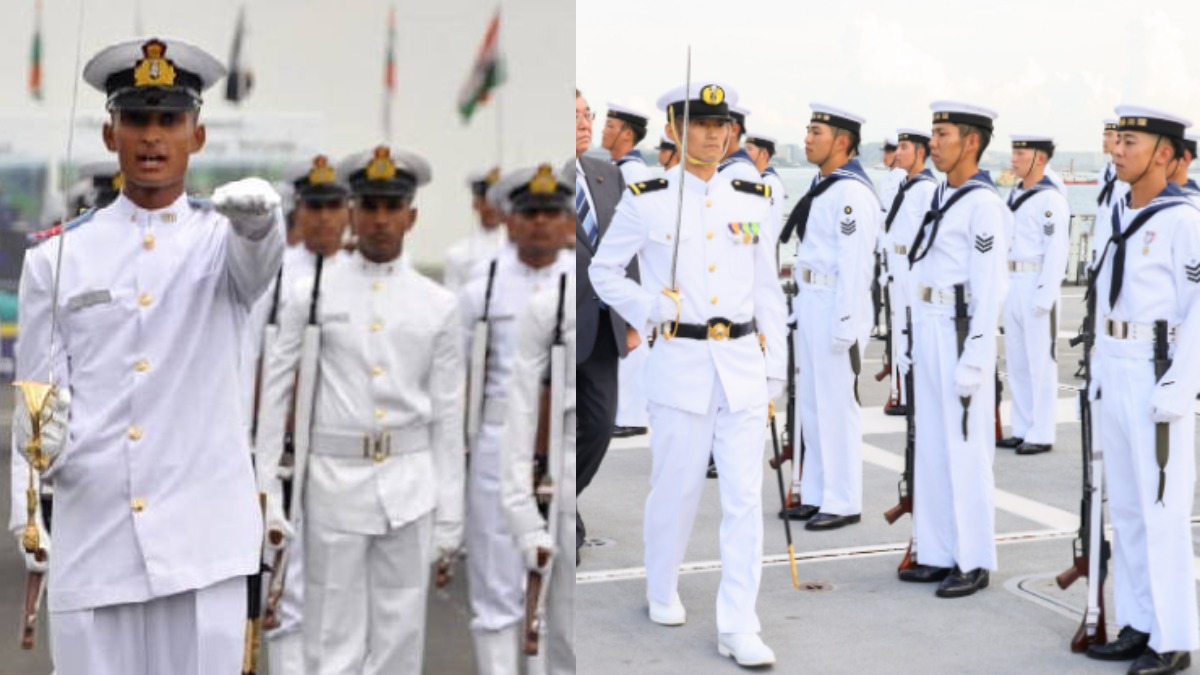
Naval cooperation emerged as one of the key areas of discussion. India and Japan have agreed in the joint statement to develop joint naval shipbuilding and design by combining Japan's technological expertise with India's manufacturing and production capabilities.
The proposed cooperation is likely to strengthen the strategic capabilities of both countries and contribute to the development of defence-industrial partnerships.
India has been looking for more domestic defence production and technology partnerships with trusted international partners, and Japan has been gradually expanding its role in regional security while the domestic defence sector has become more and more engaged in defense production and technology cooperation with trusted international partners.
The two ministers also discussed broader Indo-Pacific security and developed the cooperation mechanism with third countries on maritime cooperation. They also put forward the Indo-Pacific Logistics Network or IPLN as an instrument to enhance the capacity of partner countries to respond to natural disasters through the movement of personnel and essential supplies.
A second tabletop exercise under the IPLN will take place in September at Japan’s Ministry of Defence. The exercise will enhance coordination and logistical cooperation among participating countries.
The discussions occurred at a time of increased regional security concerns. South Korea’s military reported that North Korea had fired a projectile on Thursday, adding to the question of security implications of technology transfers and regional military cooperation.
India and Japan said the defence relationship was an important part of their “Special Strategic and Global Partnership.” The two sides said the partnership was one of the pillars supporting peace, stability and prosperity in the Indo-Pacific.
Singh also welcomed Japan’s recent review of its framework regarding defence equipment and technology transfers. India also conveyed to Japan that it should continue to contribute to regional stability and to build a more secure and deepened defence and technology partnership with Delhi.
That is why the talks have revealed how defence cooperation in the Indo-Pacific is becoming increasingly intertwined. While India and Japan are keen to expand cooperation in areas such as naval shipbuilding, maritime security and defence technology, New Delhi’s concerns over Pakistan’s long-standing nuclear relationship with North Korea underline the importance of safeguarding sensitive military technology.