It is the first time that India and the UK have signed a free trade agreement. As noted by the Ministry of Commerce and Industry of India, the India-UK agreement will strengthen bilateral trade, and the two countries will be able to generate $100 billion in annual trade by 2030.
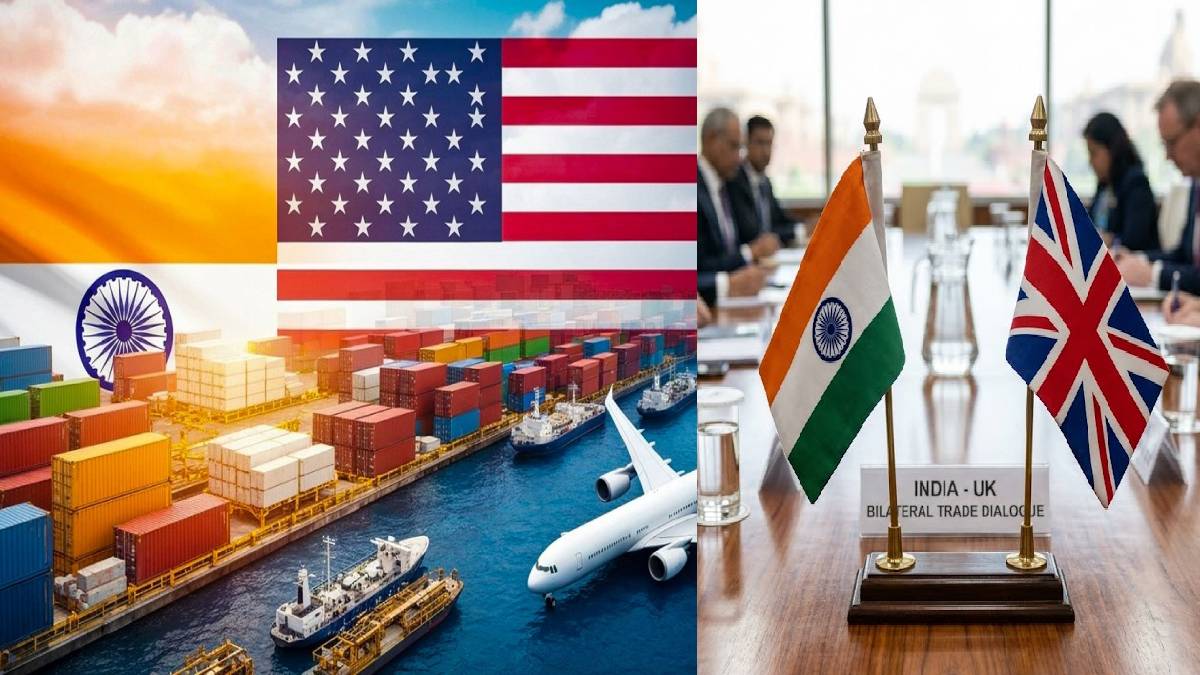
What is more, the FTA is one of India’s largest trade agreements in recent years and will create new opportunities for the companies (exporters, producers, investors, consumers) in both countries. In addition to reducing or eliminating tariffs on a range of goods and facilitating smooth market access, the deal should deepen India’s commercial ties and increase investment flow.
FTA is likely to help several of the key sectors of the Indian economy, such as textiles and apparel, gems and jewellery, engineering goods, pharmaceuticals, marine products, leather goods, food processing, chemicals, and information technology services. Higher access to the UK market is expected to boost the worldwide competitiveness of Indian exporters and create new jobs in the manufacturing and services sectors.
British companies will also be able to benefit from lower tariffs and better access to markets in India. Automotive, premium consumer products, food and beverages, healthcare, financial services, education, and advanced manufacturing are the sectors expected to benefit from the agreement. The FTA is to promote two-way trade and strengthen long-term economic cooperation.
In addition to trade in goods, services, digital trade, innovation, and investment, the agreement is also very much concerned with services, digital trade, innovation, and investment. More collaboration in financial services, technology, professional services and research will further advance both countries’ ambitions to build knowledge-based economies. The agreement will also achieve the same with a simplified regulatory regime and an efficient and predictable business environment for investors.
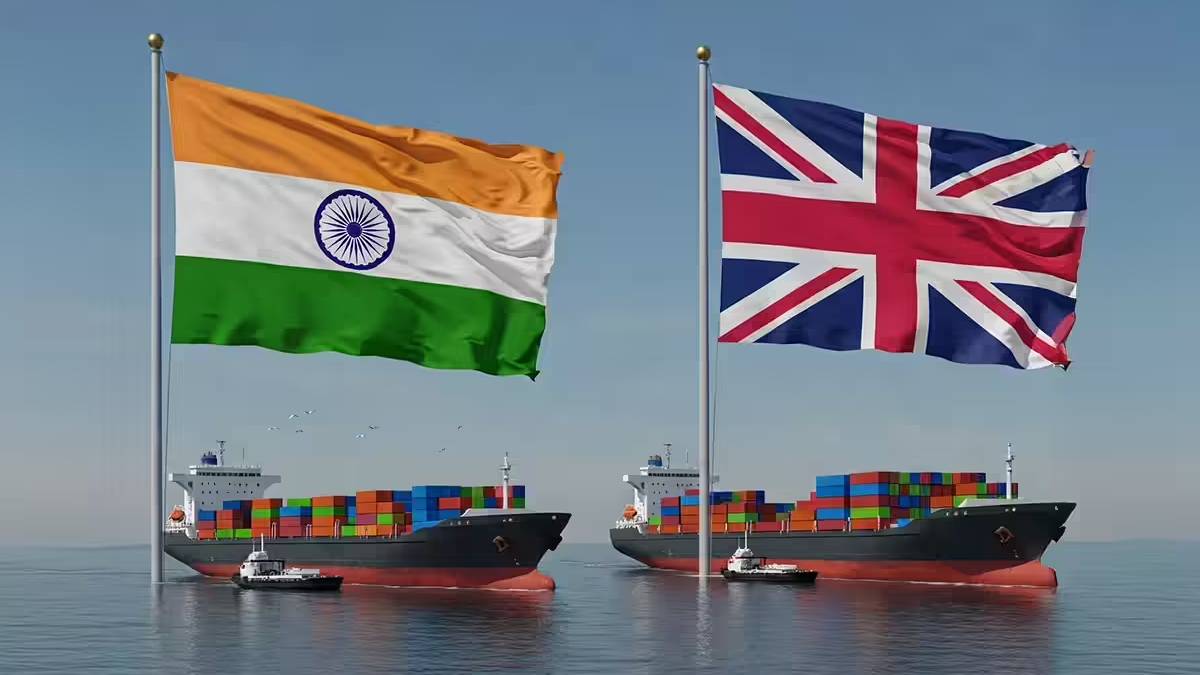
India’s FTA is consistent with the government’s broader strategy of growing international trade partnerships and exports. One of the world’s fastest-growing major economies, India is working with other countries on trade agreements to expand its export market in those countries, establish supply chains, and attract foreign investment.
The United Kingdom sees this as the single biggest piece of its post-Brexit trade plan. Boosting economic links with India, one of the world's largest consumer markets and fastest-growing economies, would be an opportunity for British companies looking to expand their global presence.
Industry experts hope that the agreement will inspire more collaboration in the areas of clean energy, artificial intelligence, advanced manufacturing, fintech, life sciences, electric mobility, and higher education. The agreement is expected to drive much more collaboration and transfer of technology between the two countries.
The Commerce Ministry has predicted that the FTA could help to increase bilateral trade to $100 billion by 2030 with more exports, higher imports of competitive goods, investment, and more business collaboration. Access to the market and fewer trade barriers will drive economic activity in many sectors.
The agreement also strengthens India’s strategic relationship with the UK in relation to trade. The closer economic cooperation will also complement existing partnerships in defence, technology, climate action, education, healthcare and research, and, more generally, a more balanced bilateral relationship, the agreement says.
With the India-UK Free Trade Agreement on the way, businesses in both countries are keen to take advantage of the new opportunities. With fewer tariffs, a wider range of markets and stronger economic cooperation, the FTA will be a key driver of bilateral growth, investment and job creation in the coming decade.
If implemented in the right spirit, the agreement could become a model for future trade collaborations between India and the rest of the world and strengthen an economic partnership that is one of India’s most powerful international partnerships.