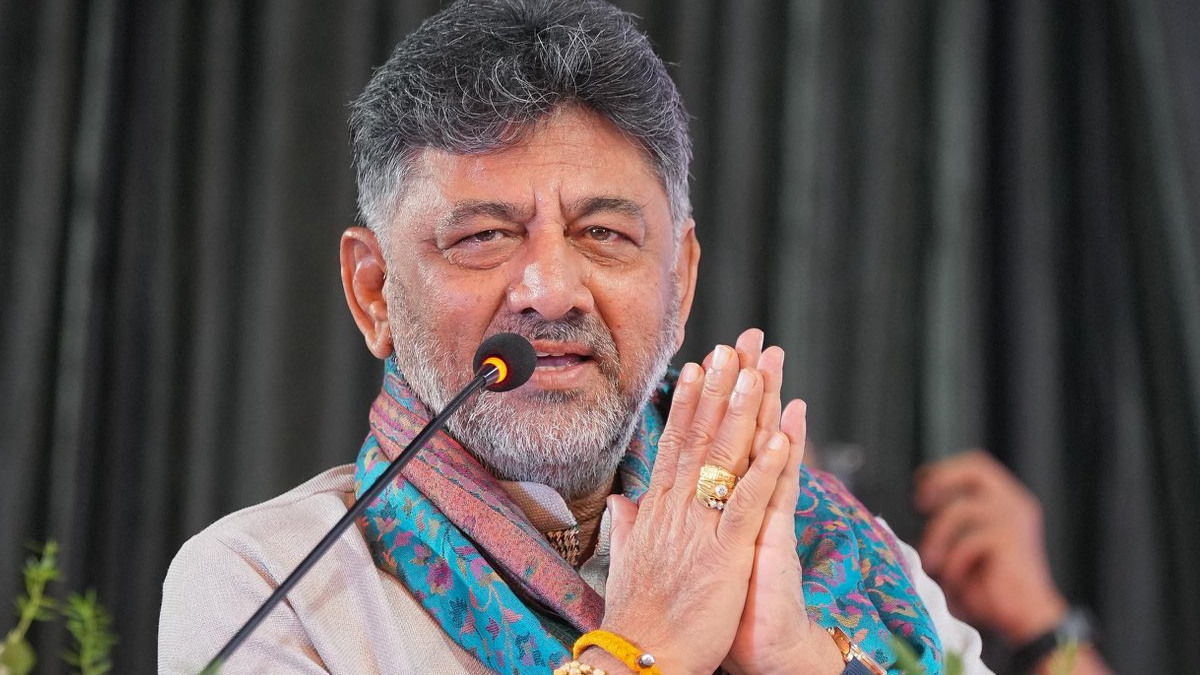
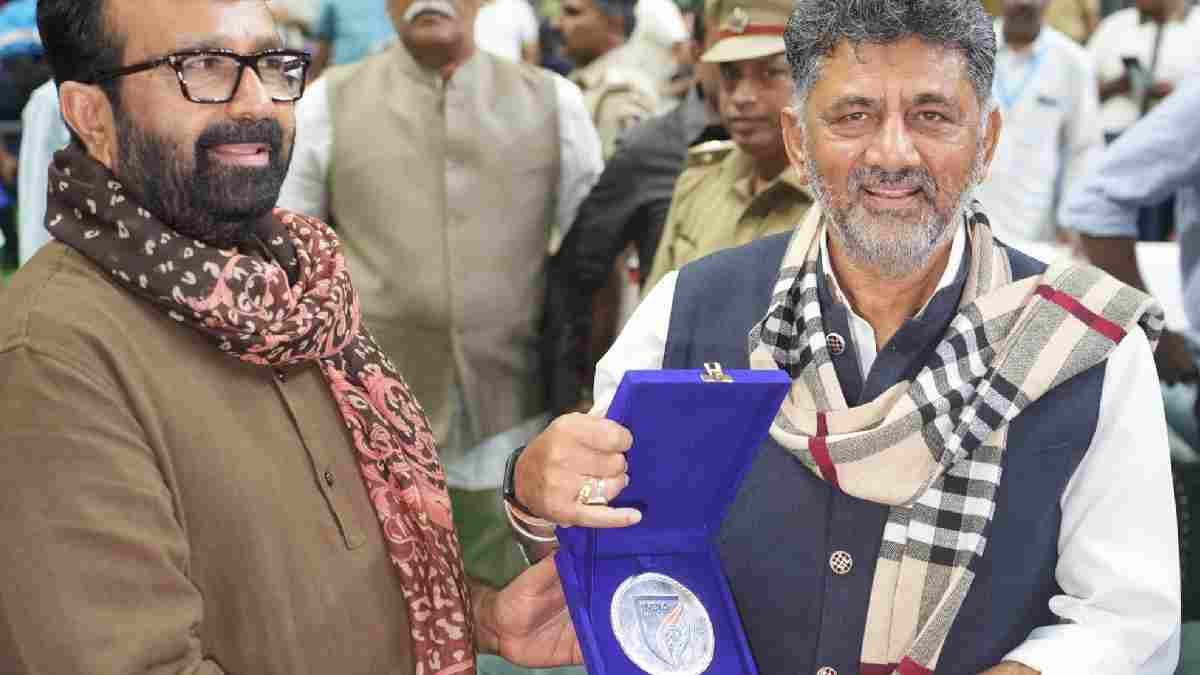
Karnataka Chief Minister D.K. Shivakumar has opposed the newly introduced Merchant Discount Rate (MDR) framework for some UPI transactions, calling for the decision to be withdrawn. Speaking in Kalaburagi, Shivakumar said that the extra cost would eventually hit consumers if businesses and traders took the decision to pass it on to customers.
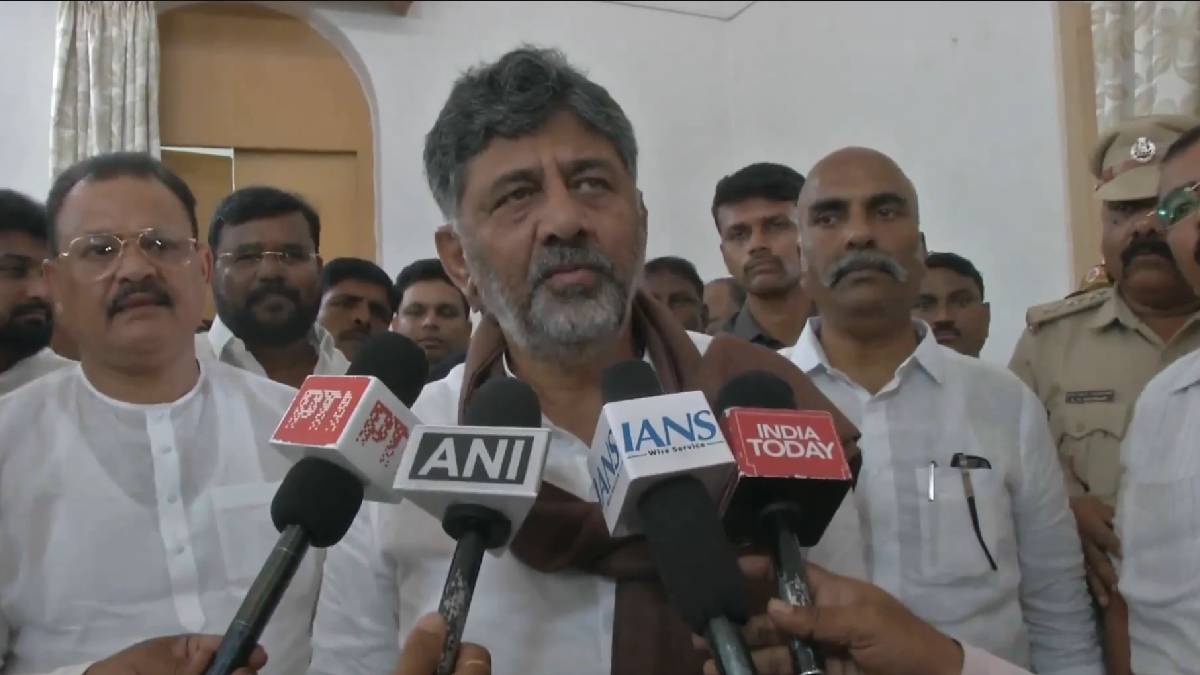
The Centre and the National Payments Corporation of India (NPCI) have introduced a new framework under which eligible P2M UPI transactions above ₹2,000 will be subject to an MDR of 0.4% from October 15, 2026, subject to specific sectoral rules and exemptions. The MDR is capped at ₹300 per transaction.
Shivakumar said that the move was an injustice to different sections of society and that the additional cost could eventually reach the common consumer through higher prices.
Karnataka Chief Minister also asked for the decision to be stopped, saying there was no necessity of imposing such costs on the public. His comments add to the political and business discussion on the proposed changes to the UPI payment ecosystem.
However, the new mechanism doesn’t impose a transaction fee on individual consumers. According to the Union Finance Ministry, person-to-person UPI transactions will remain completely free irrespective of transaction value, and merchant payments up to ₹2,000 will also be free. The government has said approximately 96% of P2M transactions will not be affected.
#WATCH | Kalaburagi | On UPI MDR transaction charges, Karnataka CM DK Shivakumar says, "...A great injustice to every section of society. Businessmen and traders will naturally pass these costs down to the common man...There was no need to pass these charges on to the public...We… pic.twitter.com/Y6YhE2P3Th
— ANI (@ANI) September 17, 2026
The MDR is a charge on processing eligible merchant payments and is formally borne by merchants rather than consumers. For regular merchant transactions above ₹2,000, the rate is 0.4%, and some categories are treated differently under the framework.
This distinction has become the key to the debate. While the official framework places the MDR burden on merchants, Shivakumar’s concern is that businesses could potentially factor the additional operating cost into the prices of goods and services. So he has argued that the wider economic impact needs to be considered rather than seeing the MDR as a payment-processing charge.
The problem has already triggered reactions across business and industry. Retailers and other businesses have expressed concern that the higher payment-processing costs could reduce already limited margins, and some have worried that higher transaction costs could affect merchants’ payment preferences.
Shivakumar has also framed the issue as one that goes beyond party politics. In previous comments reported by PTI, he said the matter concerns the country as a whole and called for a wider response to the MDR decision.
The UPI framework is being changed after several years in which UPI merchant payments operated under zero MDR. The authorities claimed that the new arrangement will serve to make the digital payments ecosystem’s long-term financial sustainability more sustainable and that it will help individuals and small merchants in the industry to get ahead.
Under the new framework, small merchants receiving up to ₹1 lakh per month through UPI QR codes under the P2PM category will continue to receive zero-MDR treatment. Person-to-person payments will also remain outside the MDR framework.
The debate has two distinct issues: who is responsible for paying the MDR and whether businesses might indirectly be bearing the cost in their pricing. The government has said that consumers would not be charged for UPI transactions directly, but critics like Shivakumar worry about indirect impact.
As the new rules are to take effect on October 15, the UPI MDR issue will continue to be a topic of discussion among government, political parties, businesses, payment companies, and consumers in the weeks ahead.