Amid escalating geopolitical tensions in West Asia, Iran is reportedly exploring a controversial move to charge massive fees for ships seeking safe passage through the strategically vital Strait of Hormuz. Reports suggest that some vessels may be required to pay as much as $2 million for transit, raising serious concerns across the global shipping and energy sectors.
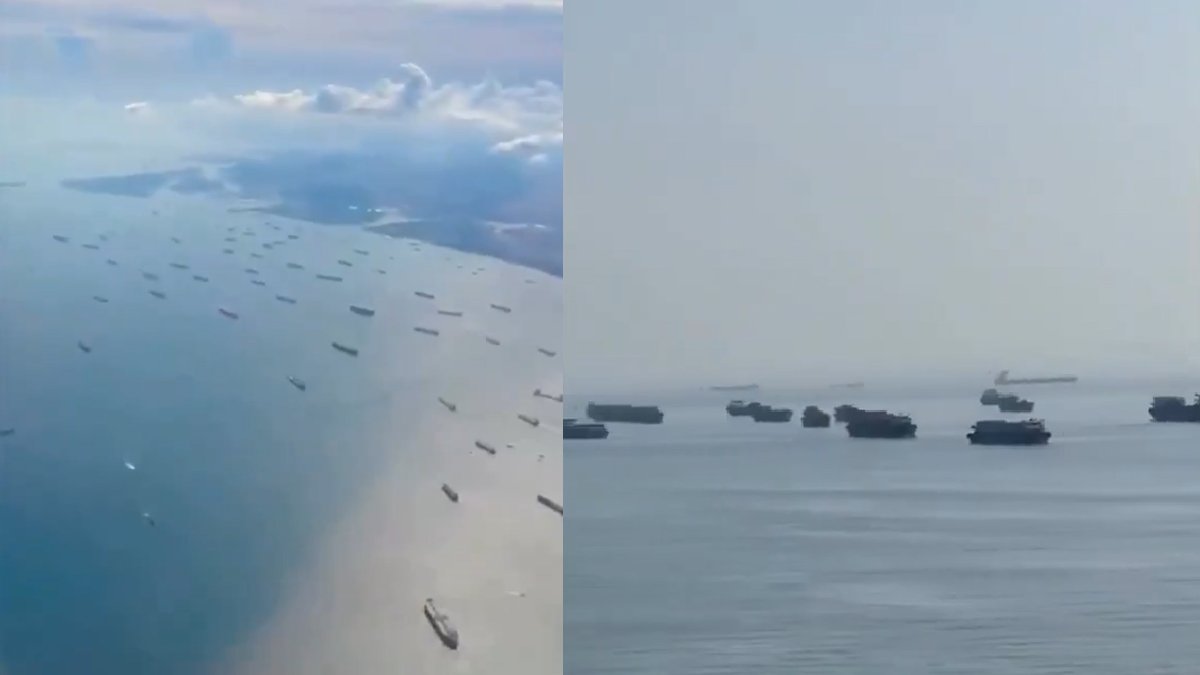
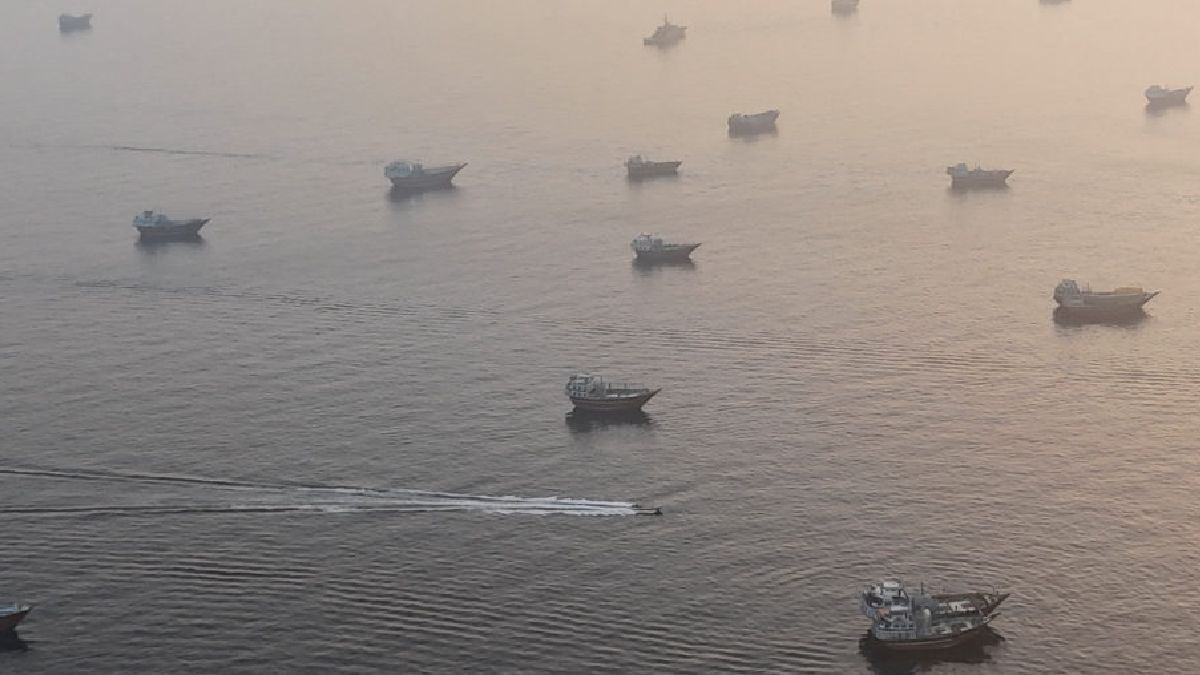
The Strait of Hormuz, which handles nearly 20% of the world’s oil shipments, has seen severe disruption in recent weeks due to military tensions and security threats. Thousands of vessels have been impacted, with estimates indicating large-scale congestion and delays in the region.
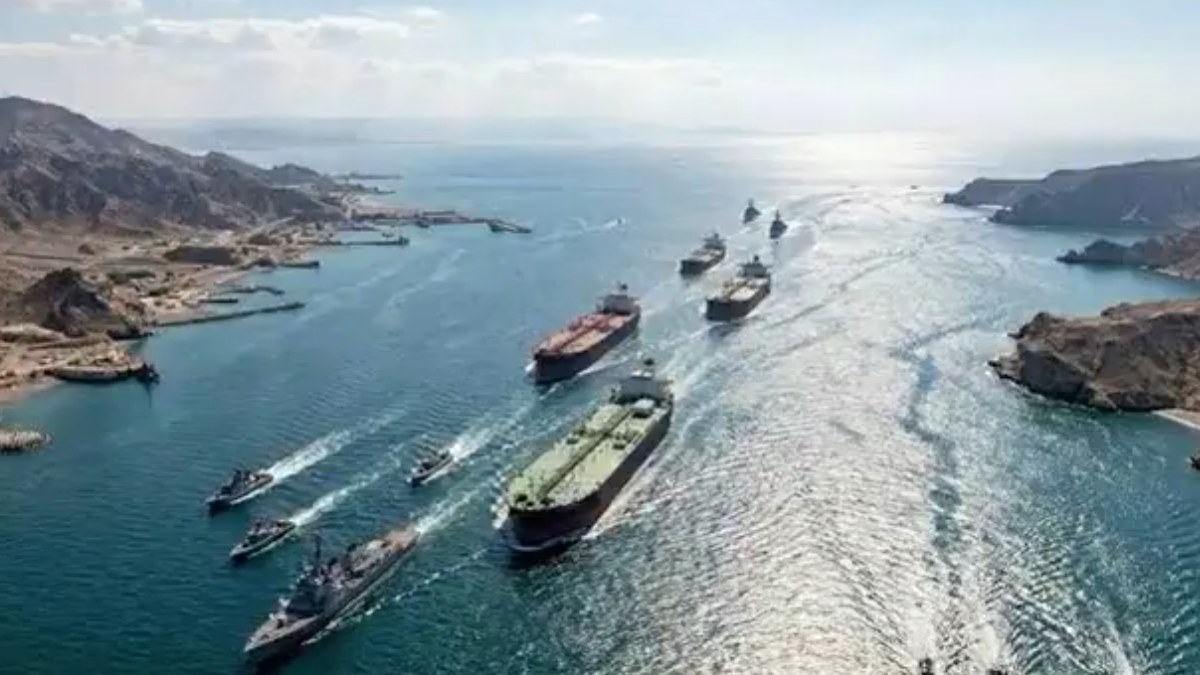
According to recent developments, Iran has proposed a “safe corridor” through its territorial waters, offering ships a more secure route for a fee. While the exact pricing structure has not been officially standardized, reports and industry discussions suggest that high-value payments may be demanded for guaranteed safe passage.
The move comes as Iran looks to leverage its strategic control over the waterway. Officials and lawmakers in Tehran have already indicated plans to impose transit tolls on vessels using the strait, especially in response to Western sanctions and ongoing conflict pressures.
Meanwhile, the situation in the region has led to a significant maritime bottleneck. Shipping activity has slowed dramatically, with vessels either anchored or waiting outside the strait due to security concerns. The disruption has driven up global shipping costs, insurance premiums, and oil prices, further straining international trade.
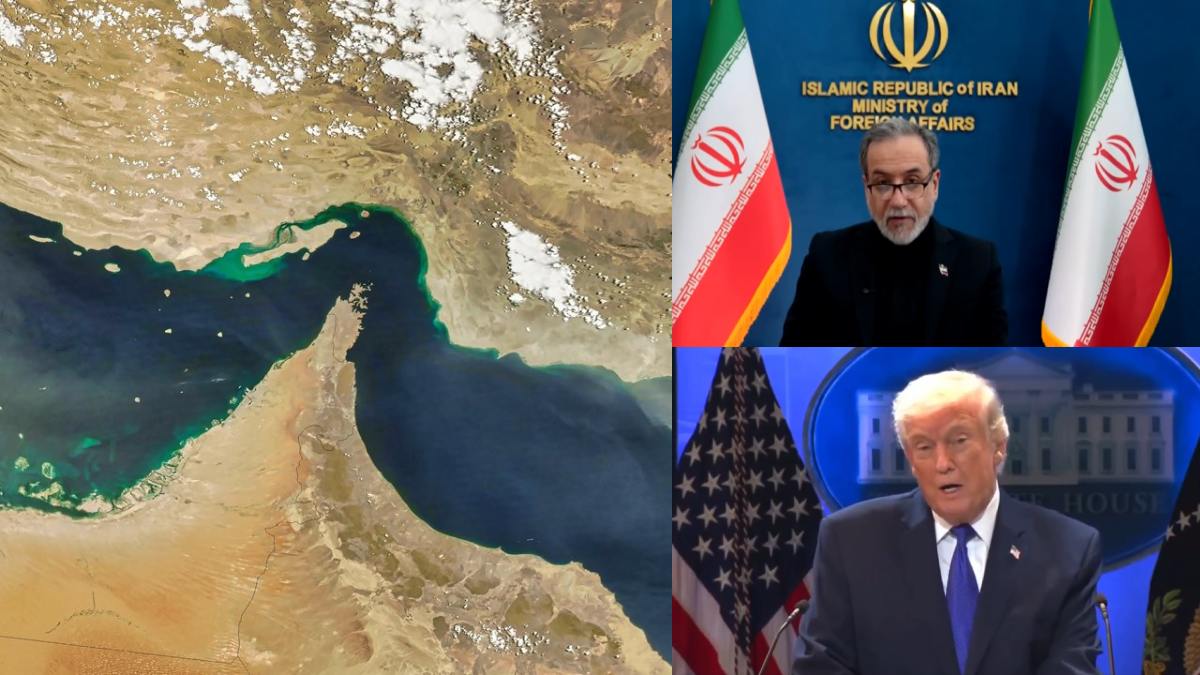
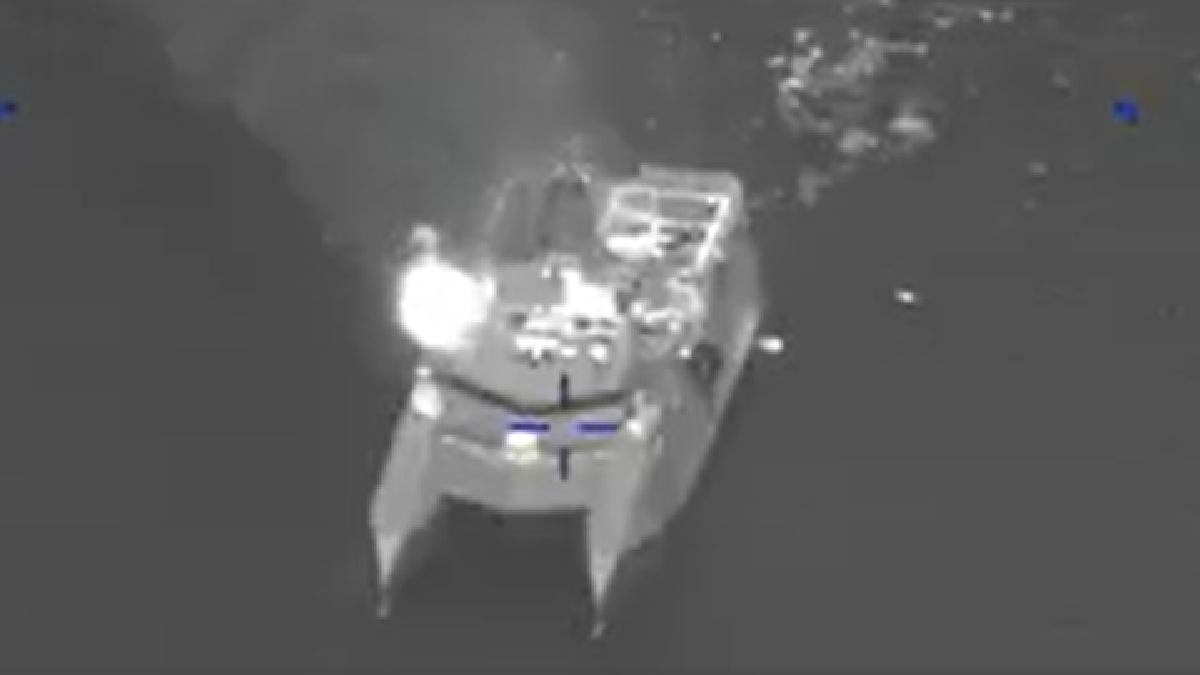
Military tensions have only worsened the crisis. The United States and its allies have initiated operations aimed at reopening the strait, while Iran continues to assert control through naval deployments and threats against unauthorized vessels.
While claims circulating on social media suggest that thousands of ships are currently stuck and that potential revenues could reach billions of dollars, there is no official confirmation of a fixed $2 million fee per vessel or a precise revenue figure. However, experts agree that any large-scale monetization of passage through the strait could have massive implications for global trade, energy markets, and geopolitical stability.
As the crisis unfolds, countries heavily dependent on oil imports such as India are closely monitoring developments. Any prolonged disruption or monetization of access to the Strait of Hormuz could lead to fuel price spikes, supply shortages, and broader economic ripple effects worldwide.