The Middle East has entered a new phase of escalation as Iran has launched fresh attacks on Bahrain and areas of Iraqi Kurdistan, adding to an already combustible regional conflict. The developments come at the same time as war is brewing between Iran and Washington over the strategically vital Strait of Hormuz, one of the world’s most important energy shipping routes.
According to international reports, Iranian forces fired missiles and drones toward US-linked military installations and regional targets in Bahrain and neighboring areas after a new round of American strikes on Iranian military assets. Tehran claimed the attack was in retaliation for US operations targeting air defense systems, radar facilities and military infrastructure near the Strait of Hormuz.
The Strait of Hormuz has become the focal point of the tension. The narrow waterway connects the Persian Gulf to global shipping links and historically has supplied much of the world’s oil exports. Iran and the United States have been at war over access and control of the strategic maritime route for months. Recent military incidents have included attacks on shipping routes, mine clearing works, drone strikes and missile launches.
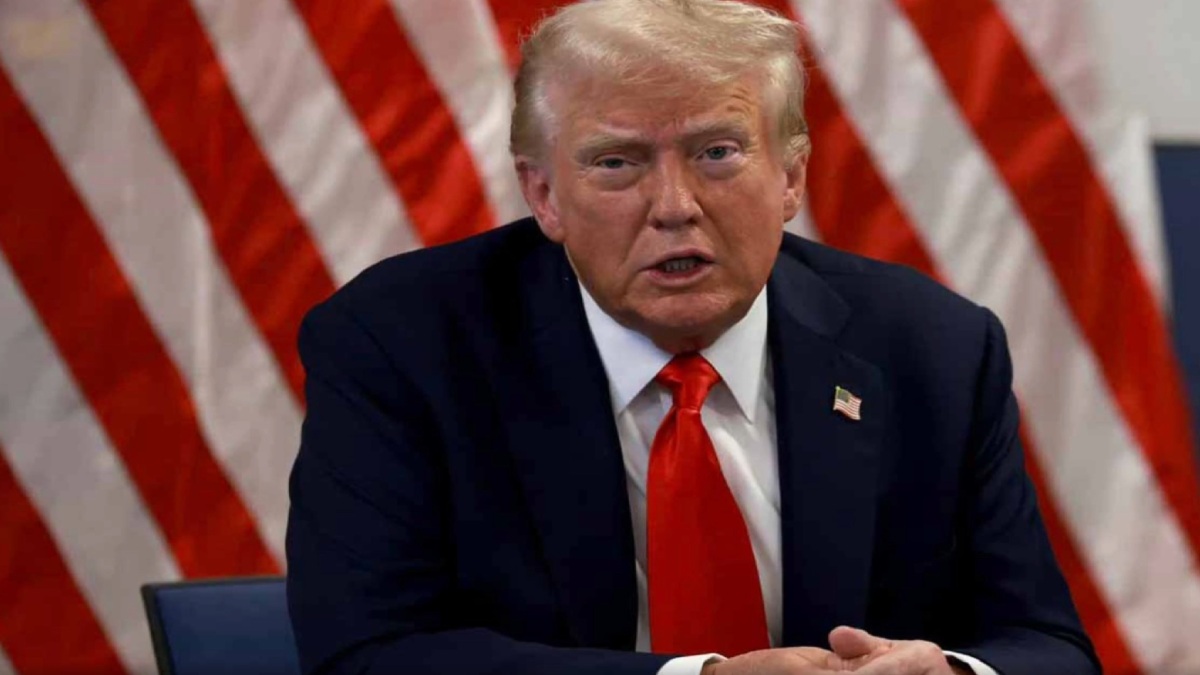
Trump declared that American forces have now “total control” of the Strait of Hormuz and warned Tehran of further escalation. But Iran is in dispute with that assertion, it is still holding back maritime traffic and threatening to escalate further if the military continues to attack it. But despite repeated American military operations, the waterway is still very much contested and open to disruption and it will be difficult to get around.
In addition to regional concerns, Iran-backed Houthi rebels in Yemen have openly backed Tehran’s position. Previous incidents in the Red Sea port have seen the Houthis declare naval blockades and threaten shipping routes and international trade. And Iran’s allies in the region are bolstered and new front lines may open in the war.
Meanwhile, Iraqi Kurdistan has also been a flashpoint in recent weeks. Iranian military activity has intensified in Kurdish-related areas, as Iran is worried about security threats on its western border and the possibility of hostile operations from the region’s people and the threat of hostile operations from the region, reports say. The tension between Iran and other actors in the region has increased the tension and tensions have also risen.
The diplomatic fallout is growing as well. Peru has announced it is cutting diplomatic relations with Iran. Tehran is creating instability in the Middle East, hindering maritime security and increasing military tensions, the Peruvian government said. The diplomatic ties will be cut off but Peru will continue consular relations under international conventions.
Global markets are closely watching the situation. Oil prices have soared as the Strait of Hormuz disruptions threaten to disrupt the supply of energy across the world. The waterway is one of the world’s main chokepoints for crude oil and liquefied natural gas shipments, so a military escalation would be of major concern to global energy companies.
With missile attacks, military retaliation, diplomatic mishaps and growing involvement from regional allies, the conflict is far from easing, and the war is not going away anymore. International observers say that unless diplomatic efforts to resolve things gain momentum, it may well turn into a more generalized regional conflict with far-reaching economic and geopolitical implications.