The Bombay High Court ordered the Central Bureau of Investigation (CBI) to register an FIR and conduct a thorough investigation into the death of Disha Salian, the former manager of actor Sushant Singh Rajput. Salian’s father Satish Salian had filed a petition against the Mumbai police for what he called serious lapses in the investigation of his daughter’s death.

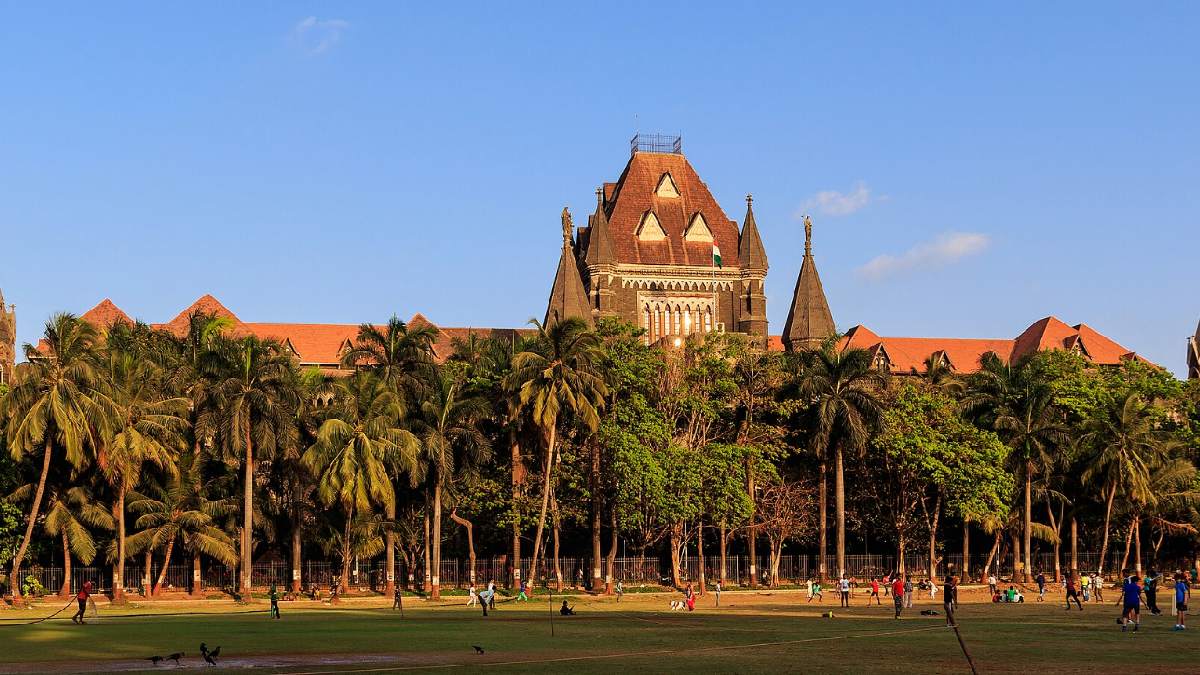
A bench of Justices Sarang Kotwal and Ranjitsinha Raja Bhonsale directed the Mumbai Police to hand over all relevant case papers and records to the CBI. The court also directed the central agency to record the statement of Satish Salian and appoint a senior officer to oversee the investigation.
Disha Salian died on 8 June 2020 after falling from the 14th floor of a residential building in Mumbai's Malad area. She died days before Sushant Singh Rajput was found dead in his Bandra residence on June 14, 2020. The proximity of the two deaths stirred up much speculation and public discussion but so far there was no link between the two cases.
After Disha Salian’s death, Mumbai Police had filed an Accidental Death Report (ADR). After its investigation, the police claimed that Salian’s death was a case of suicide. But her father later went to Bombay High Court and claimed that his daughter was gang-raped and murdered. The police also failed to investigate the case properly, he said.
The High Court’s latest order makes it clear that the CBI investigation must be evidence-driven. The bench specifically said that no one should be treated as an accused unless the Investigating Officer finds sufficient material against that person.
That is an important aspect of the order because the case has been plagued by allegations about unnamed influential politicians and questions of lapses in the original investigation. The court has not indicted anyone and has not declared that Salian was murdered. Now CBI is here to independently assess the evidence and decide if a criminal case is made out.
The court also gave a course of action if the CBI investigation does not find sufficient evidence to proceed. According to the order, if the investigation finds that no case has been made out, the agency will be required to submit an appropriate summary report before the court concerned.
Satish Salian will have the liberty to challenge such a report, the court said. His lawyer Nilesh Ojha welcomed the decision and said the order gives the family a chance to raise objections if the CBI eventually submits a negative report.
After the hearing, Ojha said the court directed the CBI to record Satish Salian’s statement, register an FIR and have a senior officer conduct the investigation. He also repeated the family’s claims that influential people and some senior police officers had allegedly affected the investigation.
They had previously claimed that an FIR should have been registered on the basis of the allegations and material filed before the court. He also cited judicial and government guidelines and wondered why the matter was limited to an ADR.
The ADR had also come up during an earlier hearing before a Division Bench of Justice Bharti Dangre and Justice Manjusha Deshpande. The court had asked why only an Accidental Death Report was registered despite the family's allegations of murder.
The bench also voiced concerns over the family's access to key documents. According to the proceedings, copies of the post-mortem report and ADR had not been provided to Disha Salian’s family even years after her death.
With the latest order, the investigation will now move to the CBI, which will investigate Salian's death, look at the documents and decide if there is evidence for criminal proceedings. Answers from the agency might help to find out the answers to questions that have been unanswered since June 2020.
The court has, though, stressed that allegations alone cannot determine guilt. Any person can be accused only if the investigation finds sufficient evidence against them and the final findings will depend on the evidence collected during the CBI probe.