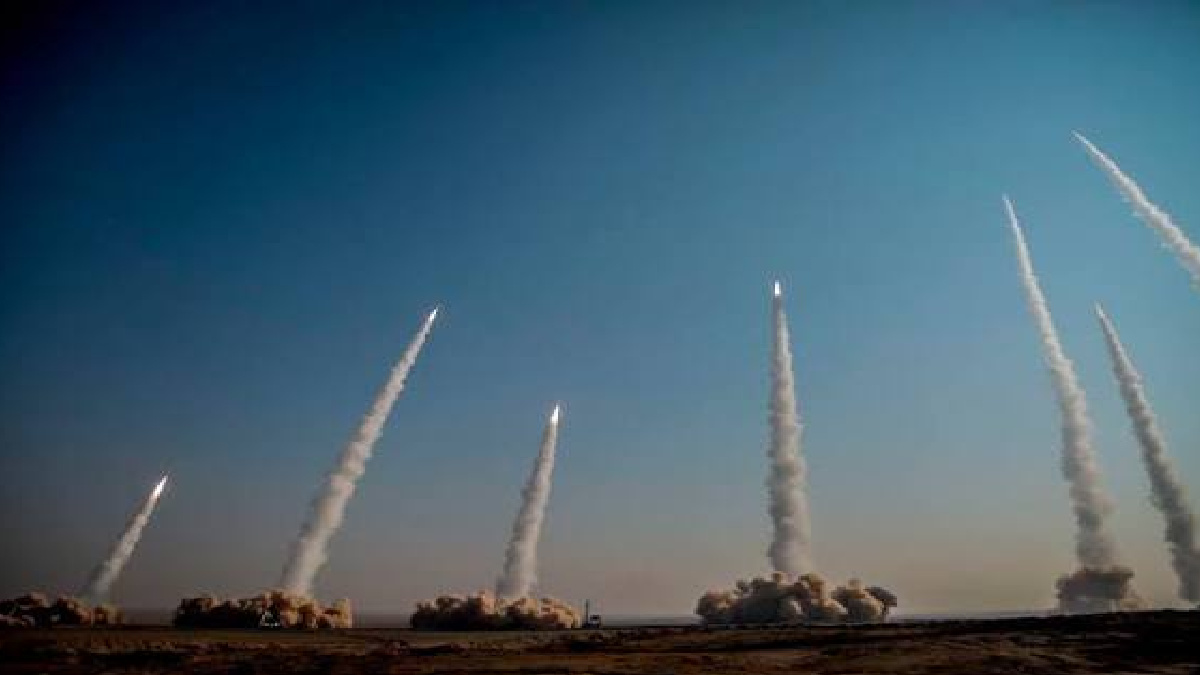
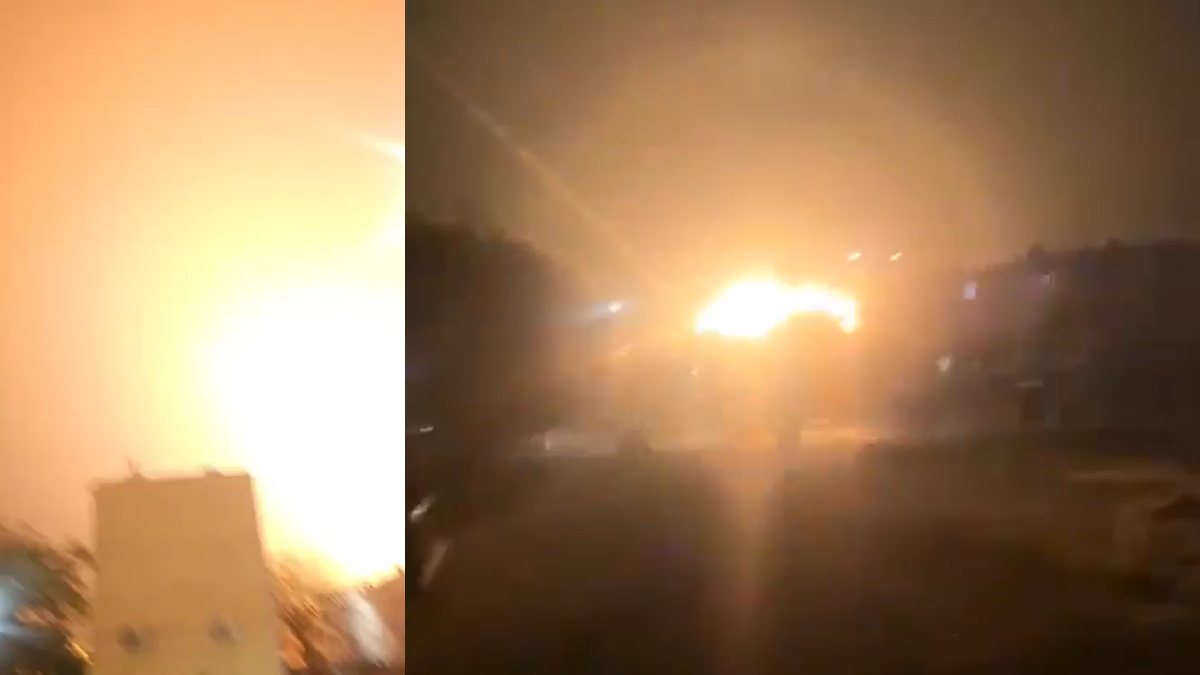
Millions of Iranians have been plunged into an information blackout, as mass internet outages kept news and communication shut down in the midst of the current U.S.-Israeli bombing campaigns. The shutdown kept families from connecting with their loved ones and ratcheted up levels of anxiety as fighting escalated in parts of the country.
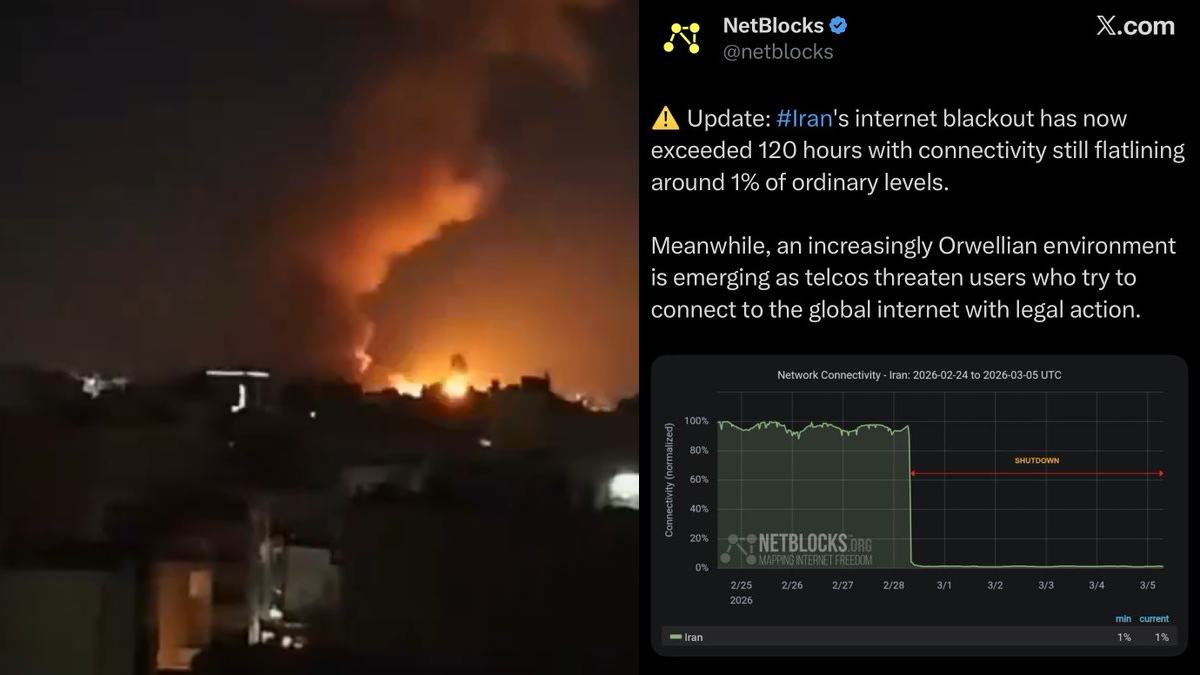
Residents in the cities of Tehran, Isfahan, Shiraz, and Bandar Abbas said mobile service and fixed broadband were seriously lacking or completely off. Messaging mechanisms, social media channels, and many international websites have gone silent, and people have no credible information about anything on their local news cycle.
Communication Breakdown Across the Country
That disruption to the internet apparently initiated just after the first round of airstrikes against military and strategic infrastructure in Iran. Indeed, the level of connectivity has plummeted since then, according to digital monitoring services that track the global internet. Many Iranians said they had difficulty approaching relatives in other cities. Phone calls are unreliable and popular communication apps, such as encrypted messaging apps, are either blocked or excruciatingly slow.
“All we know is nothing,” said one of the residents in Tehran in a brief call, before the call dropped. “We hear explosions but we have no idea what’s happening or if my relatives farther away in the city are safe.” The blackout has also cut banking apps, online businesses, and emergency services, making things even more confusing for civilians.
Government Tightens Control Over Information
Iranian authorities have historically shut down the internet during political crises or national security crises. The blackout today is one of the largest recent shutdowns in many years, experts said. They have not yet offered a complete measure of the extent of restrictions, but state media outlets have said they thought restrictions could stem from both the need to halt circulation of false information and protect national security during wartime activity, state news media outlets have claimed. But digital rights groups said the blackout also prevents independent verification of casualties and damage due to airstrikes in operation.
Families Desperate for Updates
For many families, the most distressing aspect of the blackout is the inability to contact relatives in neighborhoods targeted by bombing raids. A number of residents in a number of cities said they heard multiple explosions overnight, but didn’t know whether military bases near them or civilian neighborhoods within earshot of any of them were hit.
“I tried calling my sister in Isfahan for hours,” another resident said. “The line doesn’t get hooked up; the internet doesn’t work. We are completely cut off.” And images and video from the affected areas don’t get circulated to outsiders all that often, making it difficult for international media and humanitarian organizations to gauge the extent of the strikes themselves.
Economic and Social Impact
In addition to communication challenges, the shutdown upended the quotidian lives of millions of people. Businesses that depended on online payments and logistics services said they were not currently able to operate, or at the very least, do not know how to do what they were accustomed to doing. Even students and workers online have been deprived of educational resources, tools, and workplace facilities.
Broad restrictions on the internet in a period of active conflict would also drive panic and disinformation as citizens act from hearsay rather than fact, experts said.
Global Concern Over Digital Blackouts
The biggest concern for international human rights organizations is widespread internet shutdowns. Since ordinary citizens cannot ensure their own safety, how to evacuate, or who will support them in time of emergency, they lack access to information or communication as a means of safety. Therefore, to have any chance to get information or communication is particularly essential when your life is in danger due to imminent conflict.
With airstrikes still going on and tensions running high, many Iranians say the uncertainty generated by the internet blackouts is as terrifying as the sounds of explosions. For now, the millions of people who remain disconnected will remain. They do, and are now trying to get the internet to reopen so they can see what is happening on their own soil too.