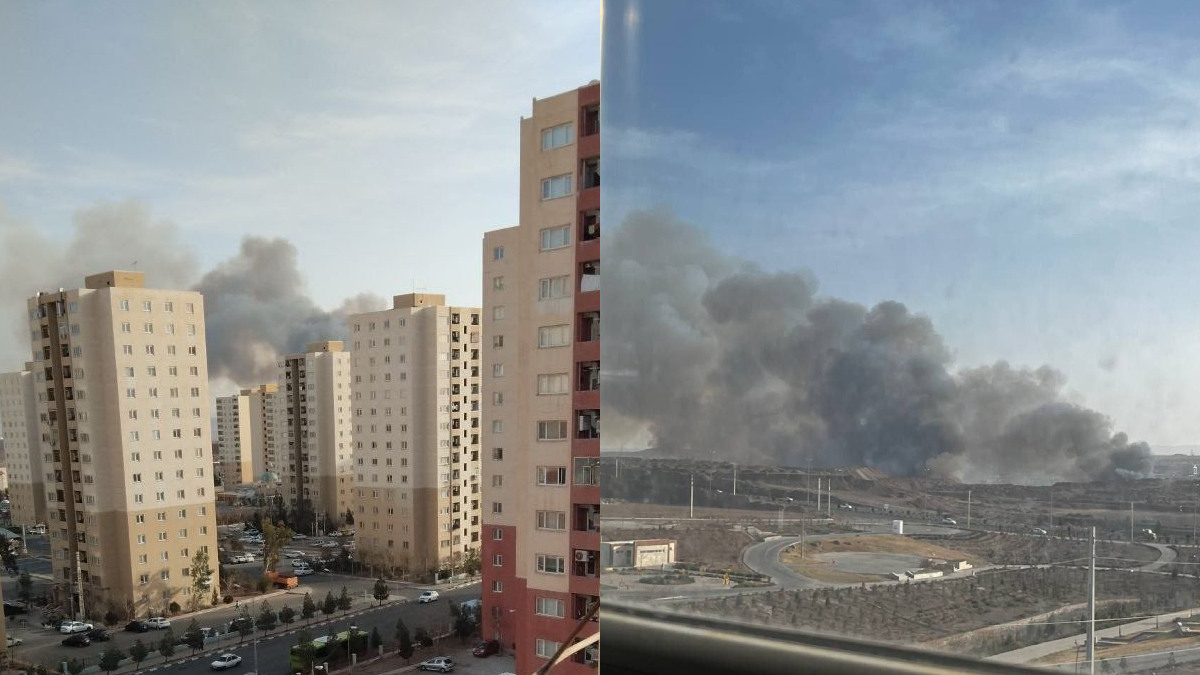
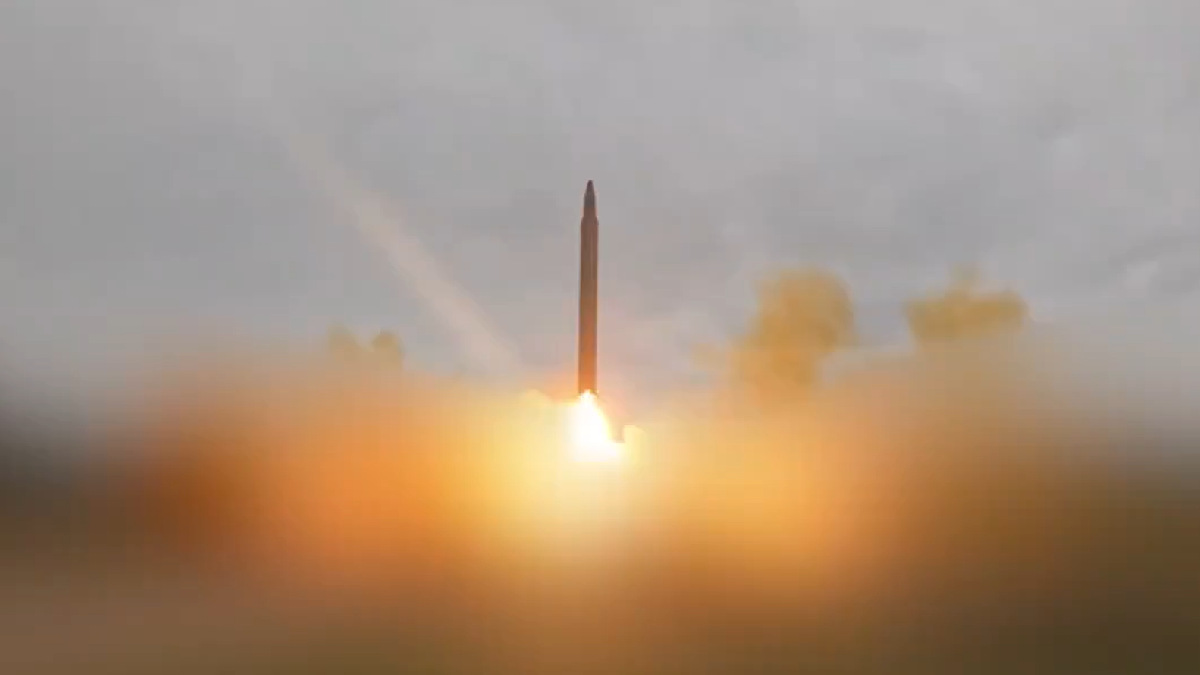
Tension between Iran and the Strait of Hormuz. The United States has set a 48‑hour deadline for Iran to reopen the Strait of Hormuz to reopen shipping in the Gulf of Oman as it sends a challenge to Iran to do so. The Strait of Hormuz is one of the world's most important oil shipping routes and when it closes it up it would cause a full‑scale war between the two countries and also potentially lead to nuclear war. Now that Iran has refused the ultimatum, the situation is very volatile.
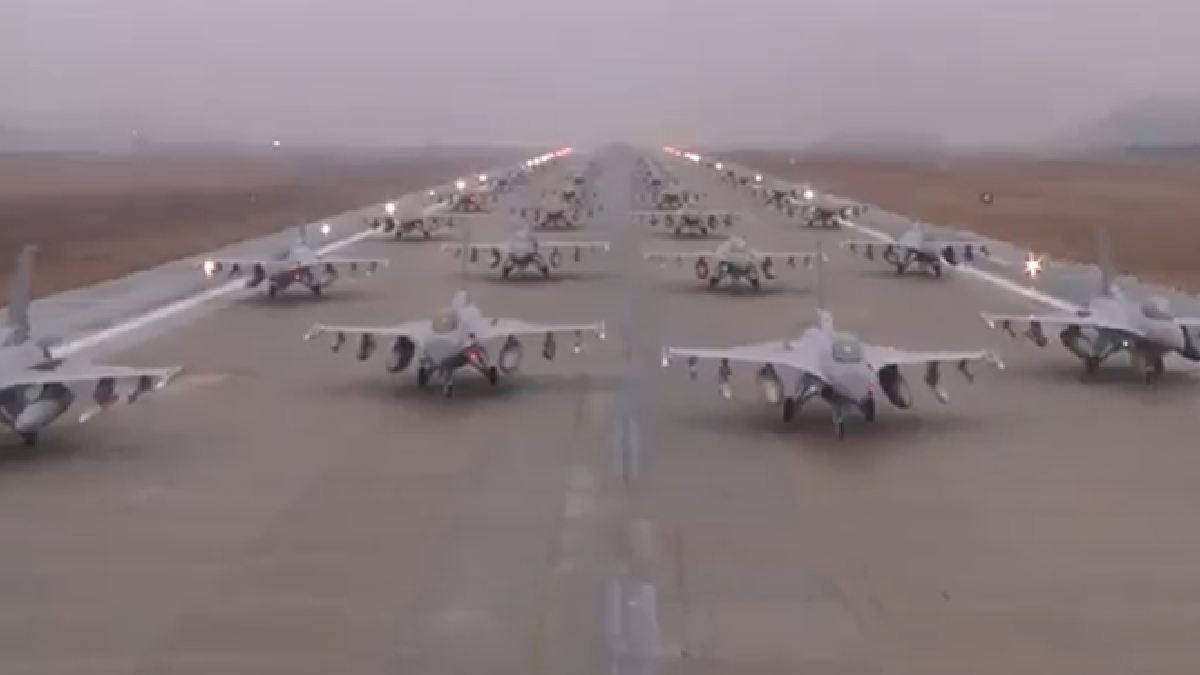
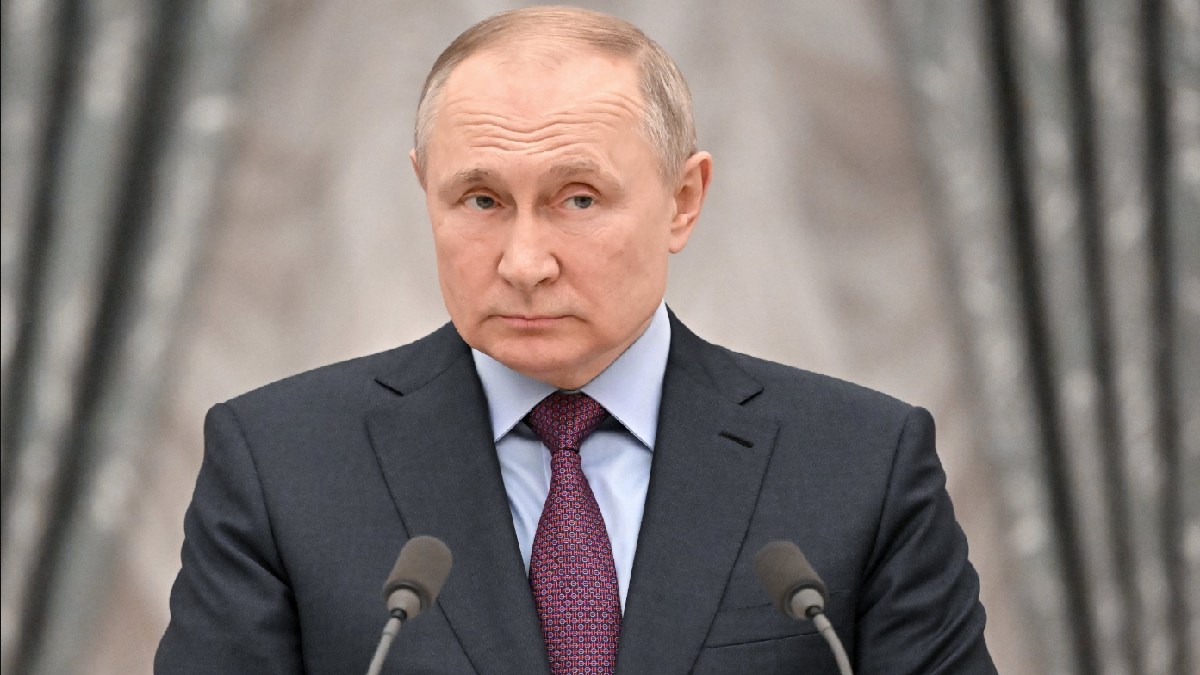
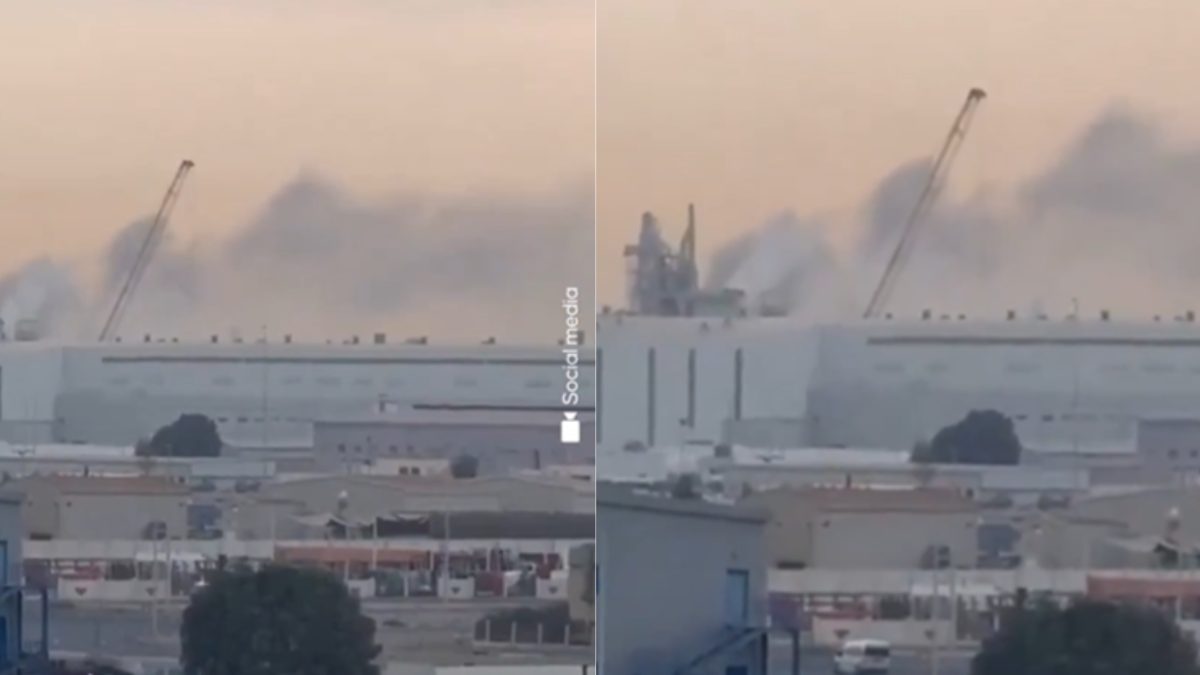
U.S. President Donald Trump said on Saturday that Iran must reopen the Strait of Hormuz within 48 hours and if Tehran does not do so, it looks like the U.S. will unleash “hell” and attack critical infrastructure, he warned. This ultimatum comes at the end of weeks of worsening clashes, with strikes on Iranian petrochemical plants and civilian areas in Iran and civilian buildings across the border and in the region and around the world. The deadline is due to expire tomorrow but the world is watching.
Iran has rejected the ultimatum, calling it “helpless and nervous.” Tehran officials insist that they are not going to bow to external pressure. They insist the blockade is a response to U.S. and Israeli attacks on Iranian territory. Iran’s defiance has raised fears that the standoff could lead to one of the most devastating airstrikes in recent years.
The Strait of Hormuz is a narrow waterway through which about 20% of the world’s oil trade passes. Any disruption to the energy supply has a negative impact on oil prices. And countries such as India, which depend on imported oil, have to be especially vulnerable. Iran’s blockade is a direct threat to international trade and security, the U.S. and its allies believe.
If Iran does not comply, large‑scale airstrikes could happen just hours before the deadline. Neighboring Gulf countries may also fall victim to spillover attacks, and civilians in Iran are already at risk with recent strikes hitting non‑military targets. The global economy could get hit by rising oil prices and instability in the region.
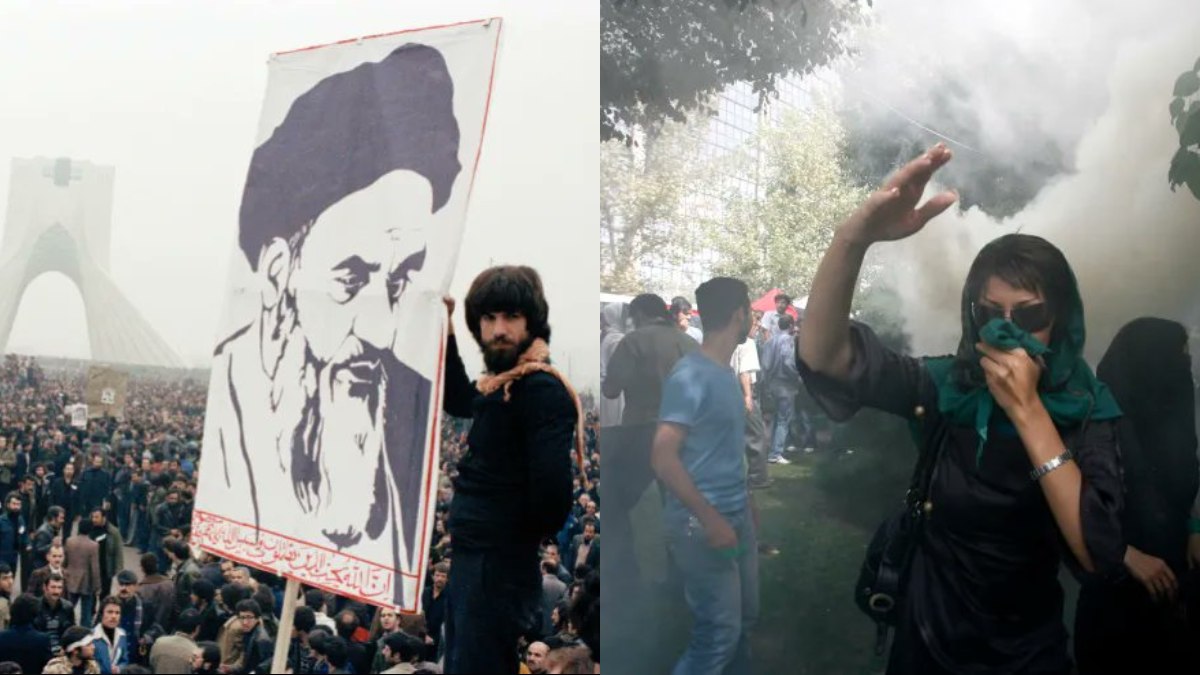
The 48‑hour ultimatum has sent the world on edge. With Iran refusing to reopen the Strait of Hormuz, the threat of a nuclear war is high. The next 24 hours will decide if diplomacy can prevent escalation or if the crisis will spread out into a larger war. For now, the countdown is on and the world waits anxiously.