Tensions between the United States and Iran are more acute than ever, with Tehran threatening a “powerful and decisive” response to any further aggression as Washington wages a war against Iranian targets.
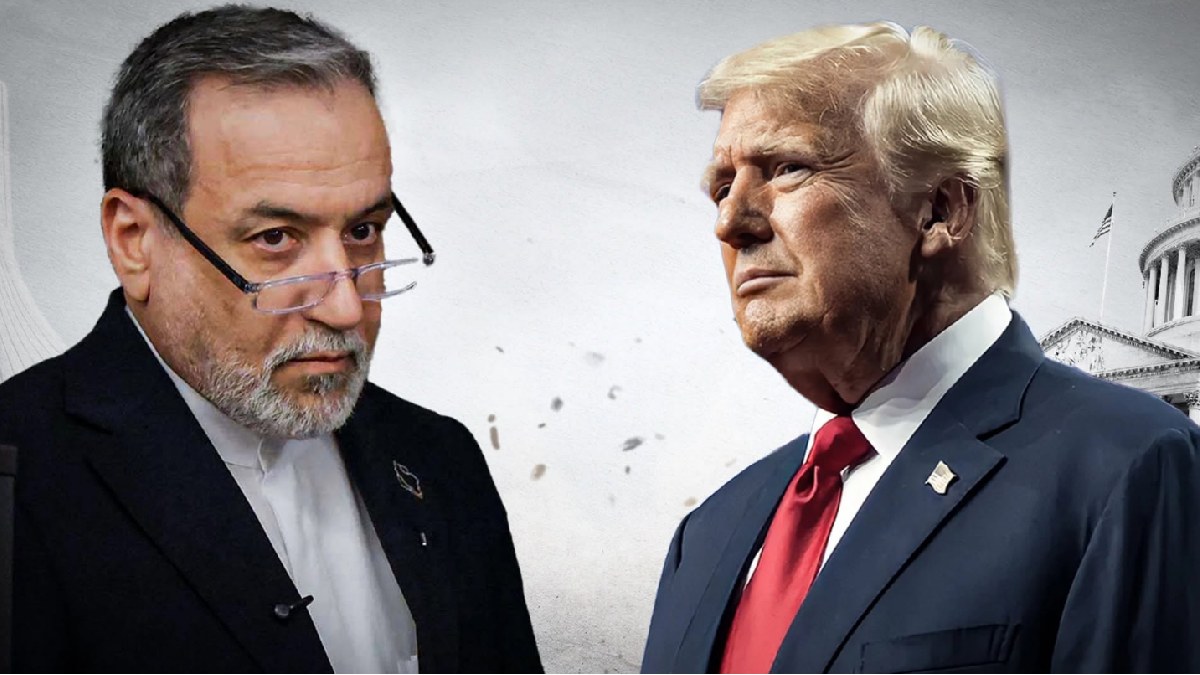
Iranian Foreign Minister Seyed Abbas Araghchi issued a stern warning after the United States carried out another round of strikes on Iran, marking the 12th consecutive night of US military operations. Iran’s defence doctrine is based on an “eye for an eye” response and warned that any country or entity that might sponsor attacks on Iran could also be considered a legitimate target.
"Our defence doctrine is clear: eye for an eye. Any aggression against Iran, including our infrastructure, will compel a powerful and decisive response,” Araghchi said in a post on X. He added that those contributing to such aggression, regardless of their support, would also be legitimate targets.
The threat came as the conflict appeared to be threatening to spill over from military targets and into critical infrastructure across the Gulf.
Iran Threatens Regional Infrastructure
An Iranian official also warned that Tehran could respond to attacks on its infrastructure by targeting infrastructure, bridges and energy facilities across the region where the United States has interests.
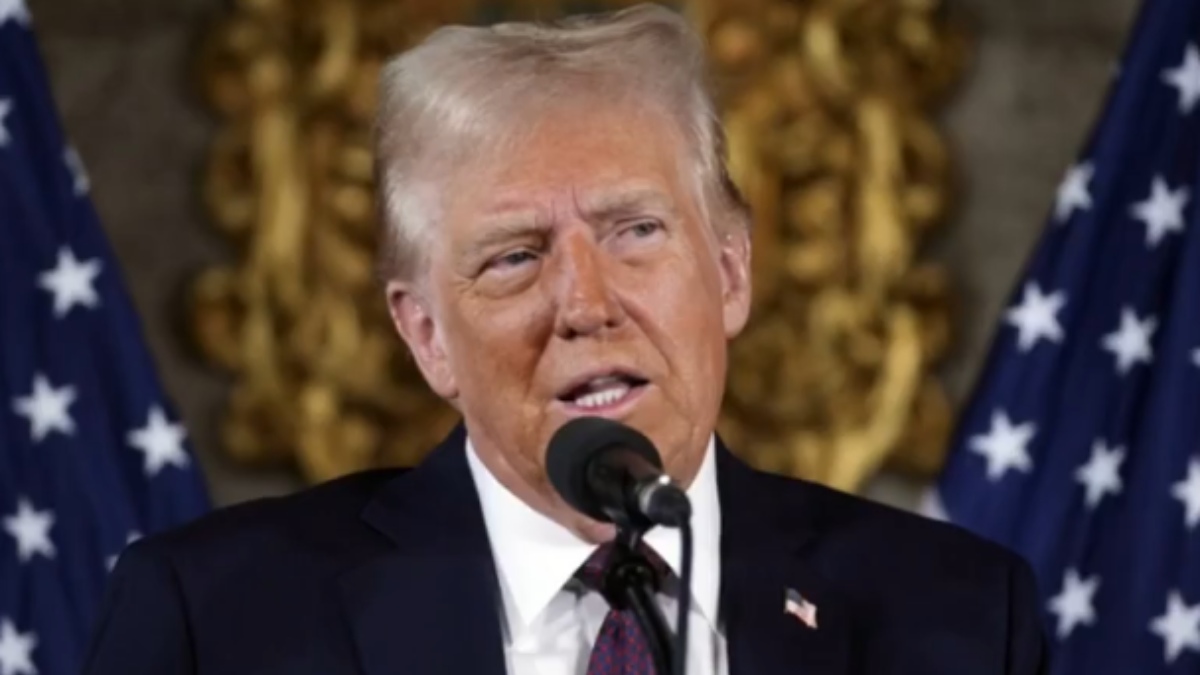
The warning came as U.S. President Donald Trump threatened to retaliate against Iranian attacks on commercial vessels in the Strait of Hormuz. The strategic waterway has become a major flashpoint in an increasingly febrile rivalry.
The threat of the conflict threatening a wider regional crisis could affect energy supplies, shipping channels and critical infrastructure.
US Conducts 12th consecutive night of Strikes
The US military launched its most recent operation Wednesday evening at President Trump's direction, Central Command said.
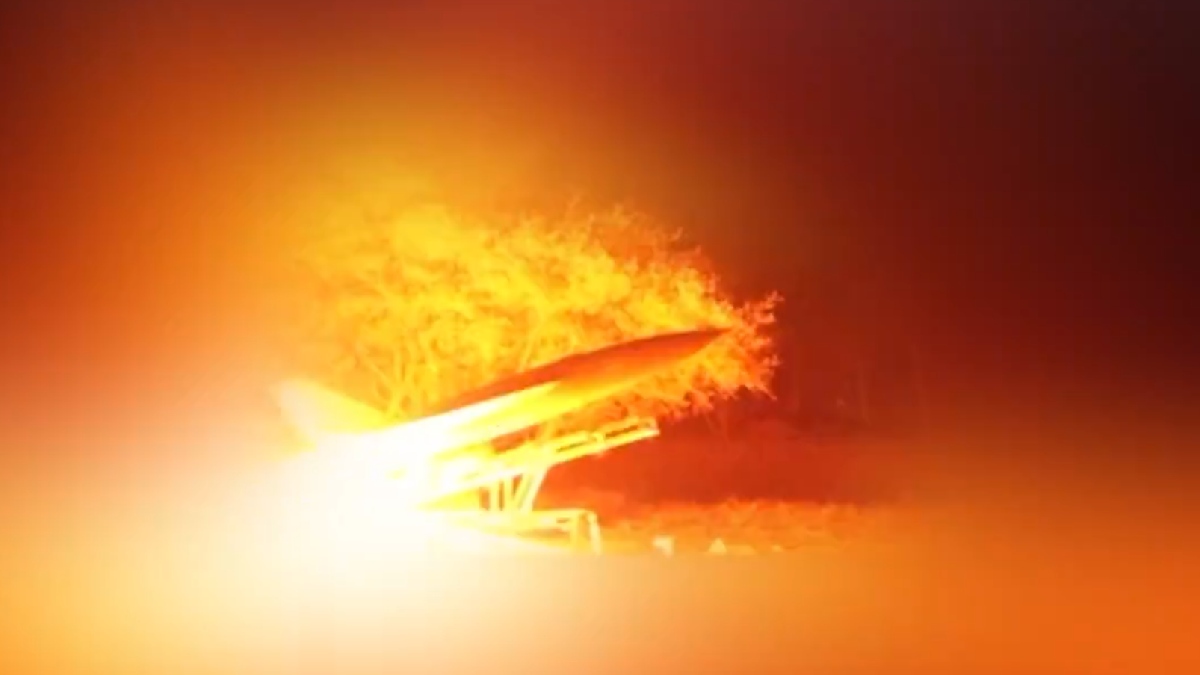
CentCOM said the strikes were aimed at further reducing Iran's ability to threaten civilian mariners and commercial vessels travelling through regional waters. The latest operation targeted Iranian military capabilities, including maritime assets, missile and drone storage facilities, coastal surveillance sites and air-defence systems.
The US military has not publicly disclosed the locations of all the targets hit during the latest round of strikes.
The U.S. went through 12 consecutive nights of attacks on Iran, showing the intensity of the military campaign and the deepening war between Washington and Tehran.
Explosions Reported Across Iran
Iranian media reported explosions in several parts of the country after the latest US strikes.
The reports also said explosions were heard in Khuzestan province and near Bushehr. Additional explosions were also heard in southern Iran, but the extent of damage and casualties was not clear at the time of report.
The different claims and the limited independent access to some of the affected areas have made it difficult to determine the full impact of the latest attacks.
The Strait of Hormuz remains at the center of the crisis.
The fight has increasingly come down to the Strait of Hormuz, one of the world’s most important maritime routes. The waterway is vital for global energy trade and long-term disruption would affect oil and international shipping.
For example, Washington has said its military operations are aimed at protecting commercial shipping and reducing threats to civilian vessels. Attack on Iranian infrastructure might trigger retaliation against regional economic and energy facilities, Tehran has warned.
Since then the threats have stoked concerns that the conflict could escalate to the level of direct US-Iran military battles and even wider regional infrastructure.
And with American strikes continuing for a 12th consecutive night and Iranian officials promising retaliation for any attacks on critical infrastructure, the risk of further escalation remains high across the Middle East.