Trump said he is considering launching a new and potentially much larger military campaign against Iran and warned that any new action could surpass the scale of the earlier Operation Epic Fury.
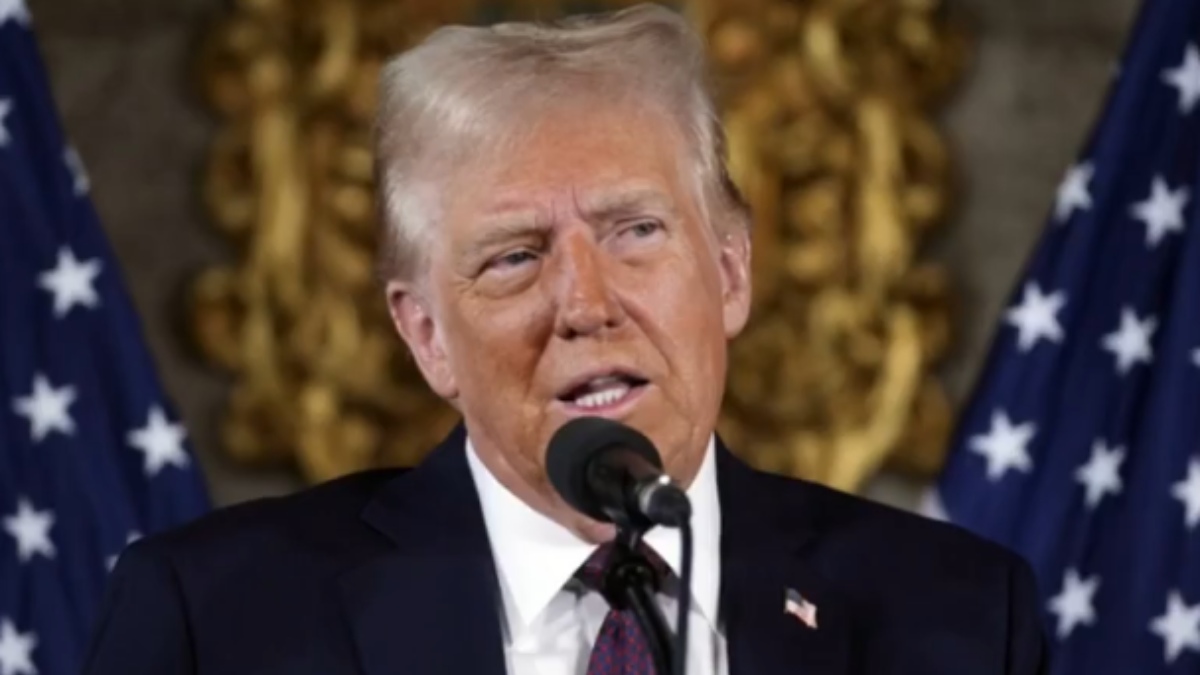
Trump said he still had not made a final decision but was “close” to deciding whether to go ahead with such a major new operation. The president suggested the United States was prepared, and also that there could be consequences if the escalation were to happen.
Two U.S. officials had told Axios that no final decision had been made and no new military orders had been issued. Trump did not provide a firm timeline for when he might take a decision.
The president said Iran had shown some interest in negotiations but argued that Tehran was not yet prepared to reach an agreement. Trump said Iranians did not have enough pressure on them to accept a deal.
There have been regional mediation efforts going on, but Iran had not yet accepted the latest proposal, said the experts, who spoke on condition of anonymity because of the sensitivity of the diplomatic nature of the talks. The comments illustrate a growing gulf between diplomacy and the tough talk from Washington’s increasingly aggressive rhetoric.
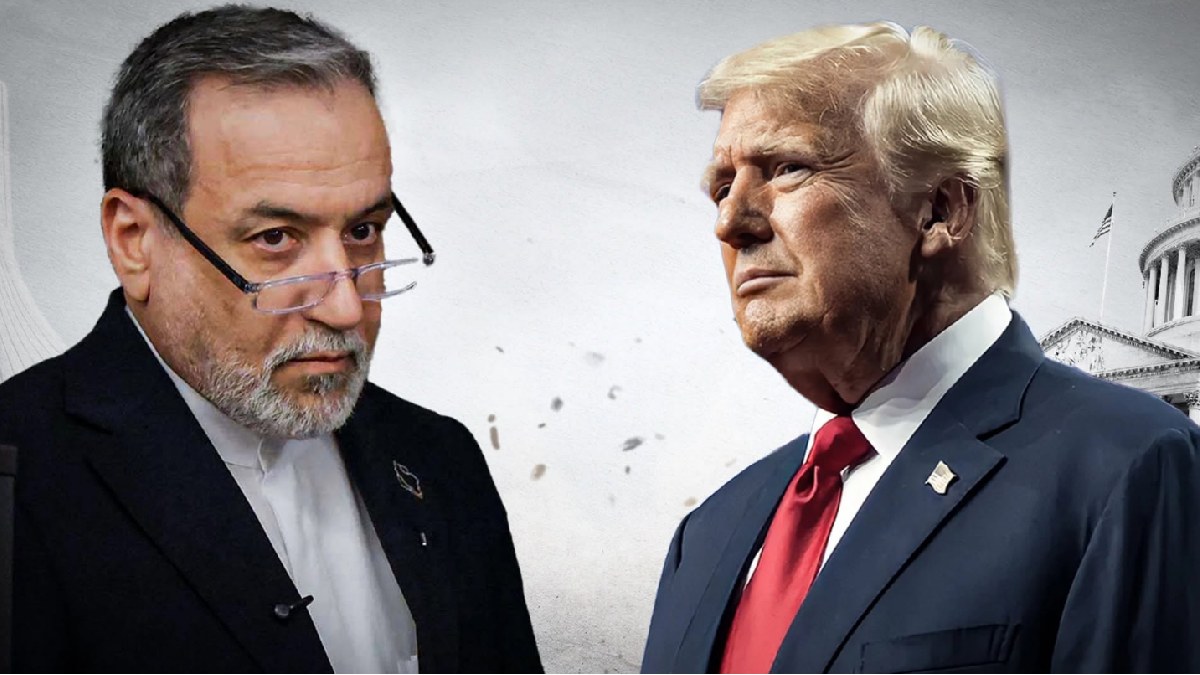
Trump also said Israel could immediately join a new US military campaign if Washington asked for it. But he also insisted that the United States did not require Israel to participate in a new operation. In his speech he also seemed to recognize that Israeli involvement may trigger more retaliation and widen the potential implications of escalation.
The latest warning comes as military tension has been building in the region beyond Iran. The U.S. has intensified its efforts on attacks and threats of commercial shipping around the Strait of Hormuz - one of the world's most important energy and trade routes. Iran has pursued its own regional operations while Houthi militants in Yemen have targeted shipping in the Red Sea that is Saudi-led.
The developments have raised fears that the conflict could spread across a wide range of strategic water routes. Both the Red Sea and the Strait of Hormuz are vital to global commerce and energy supply and a long period of disruption would have repercussions well beyond the Middle East.
The world’s oil prices have also risen sharply amid the increasing tension, with global crude prices rising to above $100 a barrel at the height of the latest attacks and threats. Analysts and investors are worried that further military escalation could put pressure on energy supplies and global shipping costs.
In a separate post on Truth Social, Trump warned that any further Houthi attacks on ships in the Red Sea would be Iran’s responsibility. He described the Houthis as an Iranian proxy and warned that Washington would hold Tehran accountable for future attacks.
Trump warned that continued attacks could lead to “major military punishment” against Iran and the Houthis. He has also raised fears of a much larger war with Iran and regional groups.
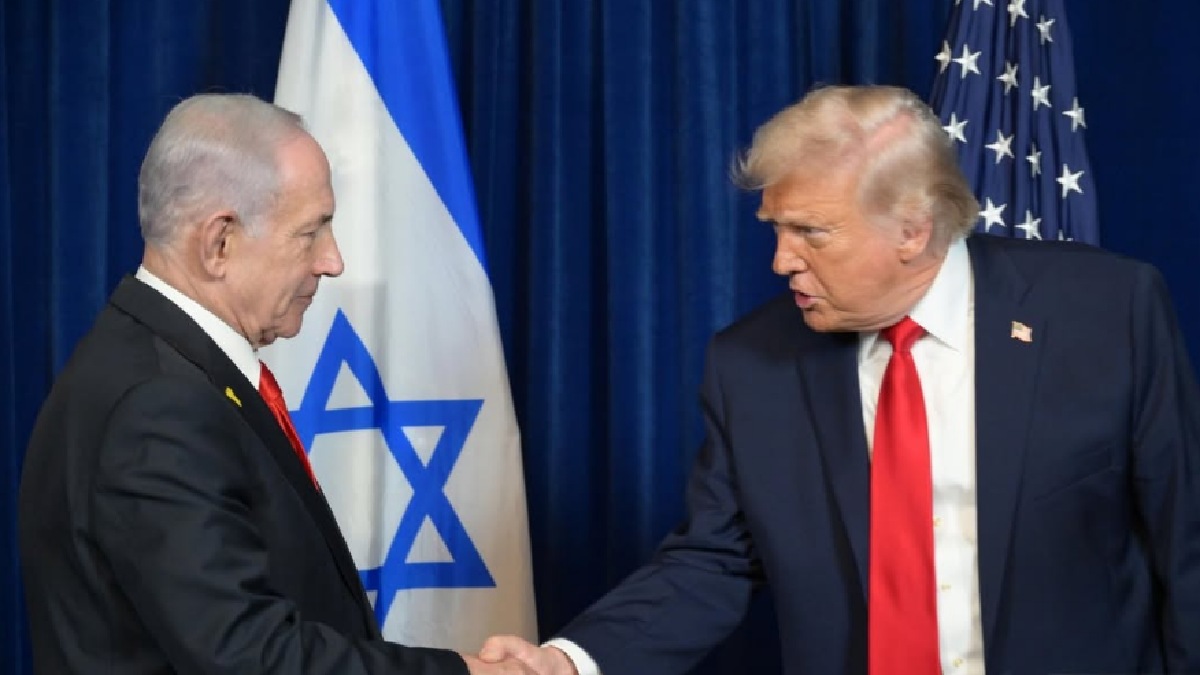
Meanwhile, Israeli Prime Minister Benjamin Netanyahu is expected to visit Washington next week to attend the funeral of the late Senator Lindsey Graham. Trump said relations with Netanyahu remained strong and said he would meet the Israeli prime minister if he was in Washington.
Without a final decision yet made, the immediate focus is on whether Trump will order a new military operation. Any action bigger than Operation Epic Fury would escalate the conflict, increase pressure on global energy markets and heighten fears of a wider regional war.