The war between Iran is having repercussions far beyond the battlefield, families, who are most vulnerable to it, are now forced to make difficult choices between education and basic survival.
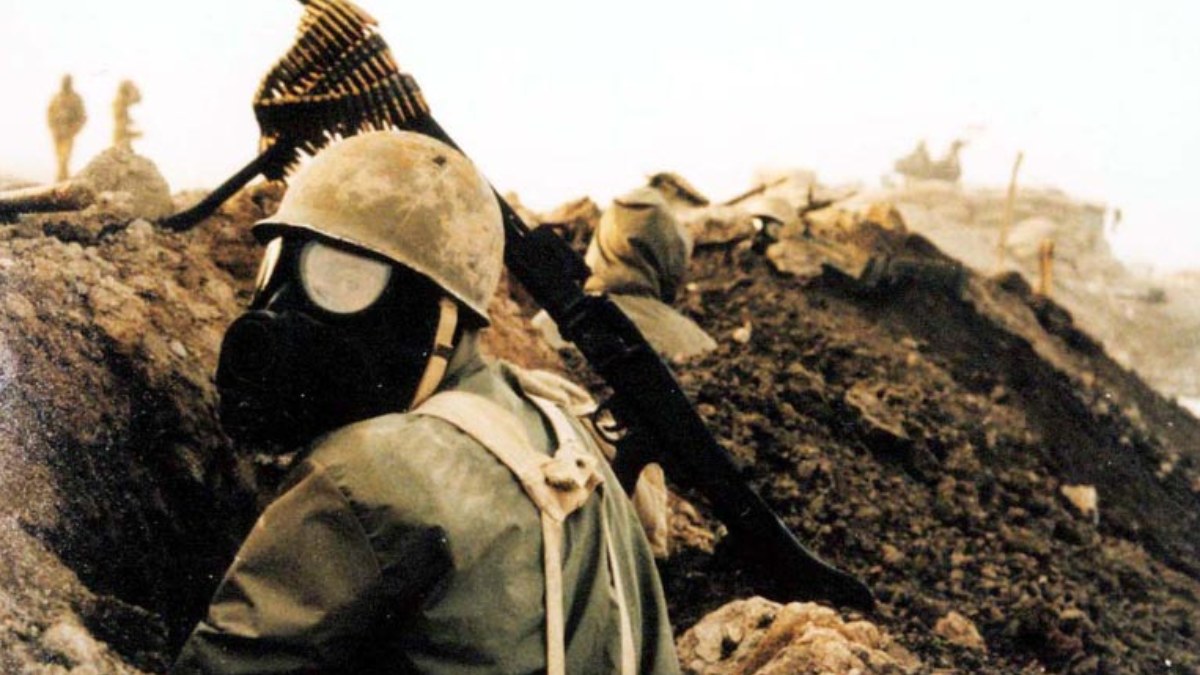
Rising fuel and food costs, disrupted livelihoods and increasing economic uncertainty are putting pressure on household budgets, especially in developing countries where families live close to the poverty line. For many parents, sending a child to school is no longer just a matter of education. It can mean paying for transport and buying food; keeping a child in class to earn money; or protecting a family’s needs for the moment and jeopardizing their children’s future prospects.
The effects are being felt especially strongly in South and Southeast Asia and Africa, where families are sensitive to changes in fuel, fertiliser and food prices. The conflict has brought higher energy costs and economic disruption to households thousands of kilometres away from the fighting in particular. When household income falls and everyday expenses increase, education is usually one of the first places where families are forced to cut back.
Higher costs have taken education out of reach
On Cambodia’s Tonle Sap lake, families dependent on fishing are being hit with higher fuel costs. Boats are crucial to reaching productive fishing spots and to get kids to school, but when fuel becomes unaffordable for families, it’s hard. So some kids skip classes so their parents can earn money or take care of the household. The situation shows how children who haven’t been anywhere near a battlefield can be affected by an international conflict.
Similar pressures are being reported in Vietnam, where economic hardships have pushed some children out of classrooms and into work. Aid organisations working with vulnerable children have warned that when families lose their capacity to provide basic needs, children are at risk of being placed in dangerous or exploitative employment. Returning to education can be more difficult for children once they leave school to work.
The problem doesn’t just extend to school fees. Kids require transportation, uniforms, books, meals, internet and other basic resources to stay in education. Food or electricity costs can be so expensive that families are struggling to pay for them. A child may theoretically have access to a school but still not go to a regular school because the family can’t afford the additional costs.
The wider economic impact is significant. As many as 23.4 million more children may fall into poverty by the end of the year due to the economic consequences of the war, UNICEF has warned. Increasing poverty increases the likelihood of school dropouts, child labour and other harmful coping mechanisms.
The crisis also highlights the difference between short-term survival and long-term development. Food, shelter, and safety come first. But disrupted education can have lasting effects. The child who goes from months to years of schooling may not get to start in school again, and their next job prospects might be diminished, leaving their families in poverty.
Children in Iran face a Different Education Crisis
Children in Iran have been affected even more directly by the conflict. Schools and other civilian infrastructure have been damaged, and fear and displacement have disrupted normal education. UNICEF has warned that children in Iran have been exposed to physical danger, psychological distress and disruption to essential services.
The conflict has also forced schools to close and pushed education into alternative formats. Classes have been held on online platforms, television and Iran's national intranet during periods of disruption. But remote learning is not a substitute for classroom education. Children without reliable devices, internet access or a quiet place to study are quickly left behind.
The damage to education infrastructure has added another dimension to the crisis. A United Nations report documented severe damage to dozens of educational institutions, with some schools completely destroyed. Such damage isn’t just to disruption of classes; schools are community hubs where children have normal social lives and a sense of normality.
The conflict has thus created two interconnected education crises. In Iran and other areas directly affected, children face damaged schools, insecurity and displacement. Meanwhile, families are suffering from the economic impact of the war and struggle to keep their children in classrooms.
For parents facing these pressures, the decision is rarely a question of whether education matters. The basic reality is that survival can’t always wait. When food prices rise, fuel can get expensive, and household income evaporates, parents have little choice but to put their kids’ immediate needs before all else.
The long-term danger is that today’s economic shock could become tomorrow’s generation-wide setback. Every child who leaves school to work represents lost learning, reduced opportunities and a greater risk of remaining in poverty. So protecting education during a conflict is more than a financial investment in schools. It is an investment in children’s ability to rebuild their lives and communities after the crisis is over.
The Iran war may be fought thousands of kilometres away from many of the families now struggling with its consequences, but its effect is increasingly being felt in classrooms, homes and household budgets. For millions of children, the question is becoming painfully simple: continue learning, or help the family survive.