The situation in Iran has dominated international headlines to this day and again, a new public opinion survey suggests that Americans fear the fight may go on longer than very soon. The survey also shows that public fears of a longer war are growing, with respondents saying they fear that the conflict might last months or even years if diplomatic efforts fail to get going.
The poll, in a time of greater geopolitical uncertainty, is indicative of widespread anxiety about what would happen if there was a long-term war in the Middle East. Although the exact timeline was unclear for such a crisis, a significant number of respondents said that they expected a crisis to evolve into a longer war than a military operation.
The results highlight an anxious public that has known long-lasting wars overseas over the past two decades. And yet officials say that has not had an impact on how people view new conflicts; the vast majority of them believe that complex political disputes can take a long time to resolve.
The Iran conflict has attracted international attention from a strategic standpoint since it is very important to the Middle East and is in the Middle East and in the world of politics, energy, and international security. Any situation that arises will have a bearing on neighboring countries and on worldwide trade routes and oil prices and hence all these will be closely watched by governments and markets globally.
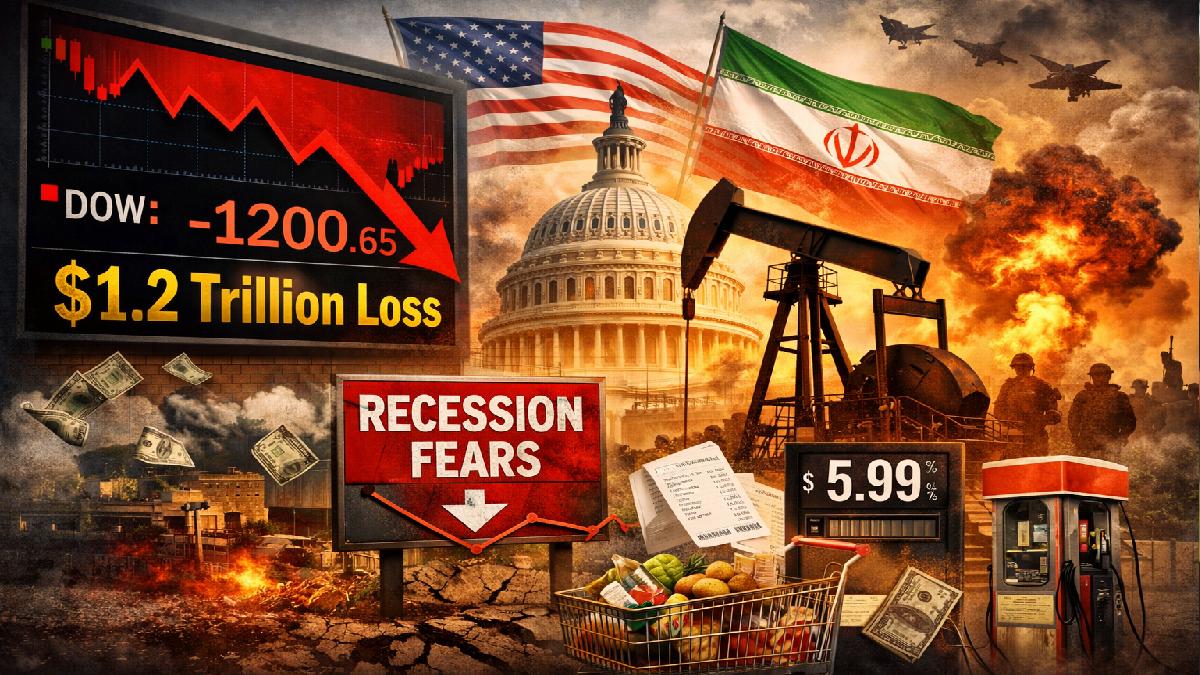
According to the survey, many respondents cited the economic damage of a long war. Rising fuel prices, inflationary pressure, disruption to international shipping, and uncertainty in financial markets were among the issues frequently cited by participants. Long-term instability in the region could have repercussions for the rest of the world economy, and the energy supply is threatened, economic experts have said.
The poll also bears witness to the human costs of war. People said it is very important to keep them from getting hurt, and military personnel and humanitarian conditions are the most affected after a long war.
As foreign policy experts say, it is very difficult to predict the duration of any conflict. Military developments, diplomatic negotiations, international mediation, sanctions, and regional alliances can all have a big impact on how events are going to happen. Some conflicts are resolved within weeks, while others are ongoing for years because of political complexities and competing strategic interests.
Political analysts say public opinion surveys offer insight into how citizens see national security issues, but do not necessarily predict future events. And they offer a snapshot of public sentiment when uncertainty exists and can help shape political debates and policymaking and foreign affairs debates.
Different opinions were found regarding the role of the United States in the current situation. One group supported continued diplomatic engagement and cooperation with international partners, while others emphasized that strong security was needed in order to protect national interests. Whatever those opinions may be regarding policy, all agreed that avoiding more escalation should be the main focus.
International organizations and numerous world leaders have continued urging restraint and dialogue between all parties to keep the sides to talk to each other. Diplomatic channels are working hard to avoid the risk of regional instability and further military escalation.
But security analysts believe the next weeks will play a major role in defining the course of the crisis. Regional governments, international organizations, and major global powers’ decisions in this regard could determine whether tensions ease through negotiations or escalate.
The poll also underlines the increasing influence of public opinion in the world’s international conflicts. In democratic societies, citizen perspectives often influence political leaders as they think about foreign policy choices, military actions, and diplomatic strategies.
No one knows how long the current tension with Iran will last, but it is clear many Americans are preparing for the long-term uncertainty of an extended period of uncertainty. Their expectations are part of the larger picture of regional stability, economic impact, humanitarian impact, and global security problems they fear.
In the meantime, all governments around the world have kept up with diplomatic efforts to prevent further escalation. If the war does finally end in a deal or goes on for longer will be determined by the military, political, and diplomatic dynamics in the months to come.