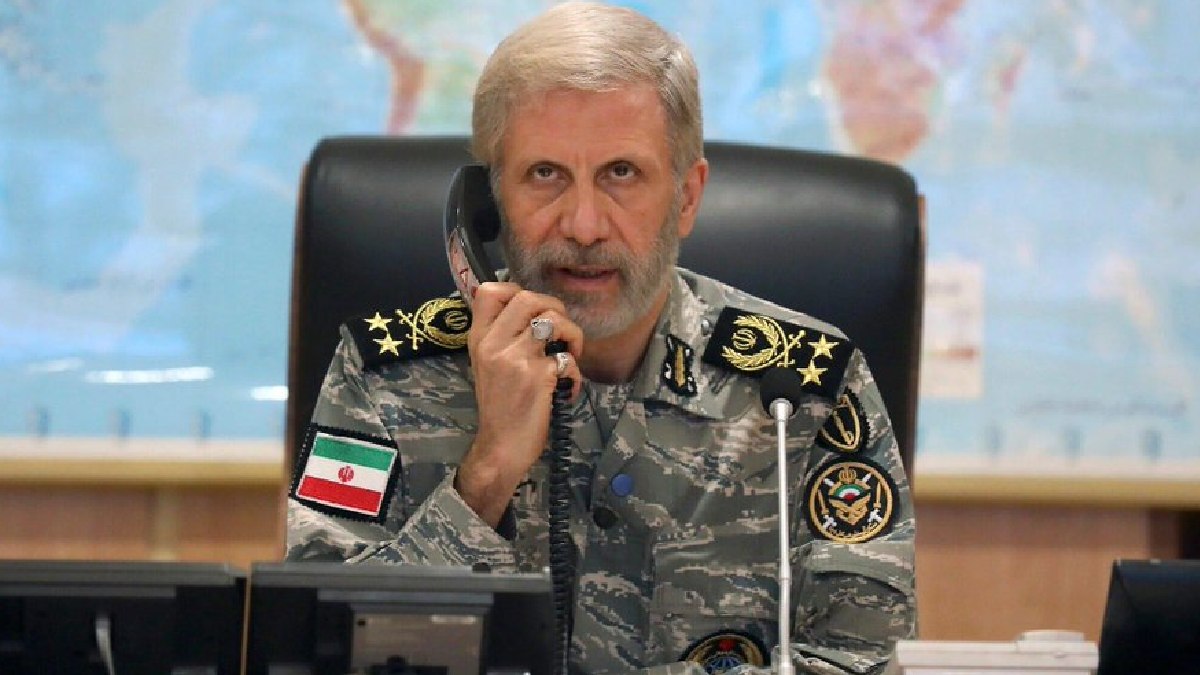
Under what may be the largest military decapitation strike since the start of current hostilities, Israeli media recently reported that Major General Amir Hatami, the Commander-in-Chief of the Islamic Republic of Iran Army (Artesh), has been killed. The reported elimination came from a series of intensive, high-precision airstrikes launched Saturday by a coalition of Israeli and U.S. forces targeting the heart of Tehran.
The Strike at the Center of Power
The Iranian government has yet to officially confirm the incident, but Israeli intelligence sources have reported that Hatami was present at a high-level military command center in Tehran when multiple precision-guided munitions struck it. The facility, in a heavily fortified section of the capital, was reportedly hosting a strategic meeting of top military commanders after President Donald Trump declared “major combat operations” earlier in the day.
General Hatami had just assumed the role of Commander-in-Chief in June 2025, and is a veteran of the Iran-Iraq War and former Minister of Defense. He had been widely considered an important player in modernizing conventional defenses in the Iranian Army and had been a vocal critic of U.S. and Israeli “invincibility” as recently as last week.
A Rapidly Escalating Conflict
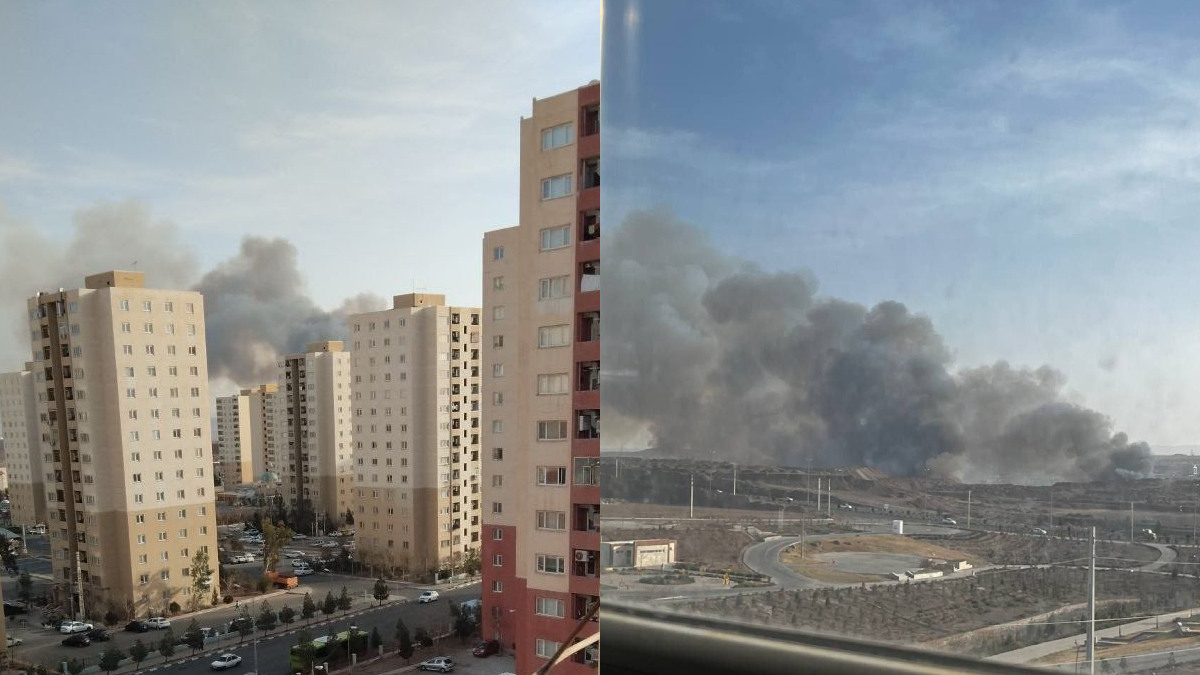
The reported death of the Army Chief comes at the same time as Operation Roaring Lion (Israel) and Operation Shield of Judah (USA), a massive joint air campaign aimed at dismantling Iran’s nuclear, missile, and command infrastructure. The strikes have devastated central Tehran, with considerable damage reported around University Street and government administrative districts. Hatami was killed, if confirmed, after the death of Gholam-Hossein Mohseni-Ejei, Head of the Judiciary, was reported earlier today.
These high-profile losses indicate a “decapitation strategy,” aiming to incapacitate the Iranian regime’s capability to implement a large-scale conventional response. Iranian Response and “Crushing” Threats. Even amid chaos in the capital, outlets affiliated with the Iranian state have kept a defiant tone.
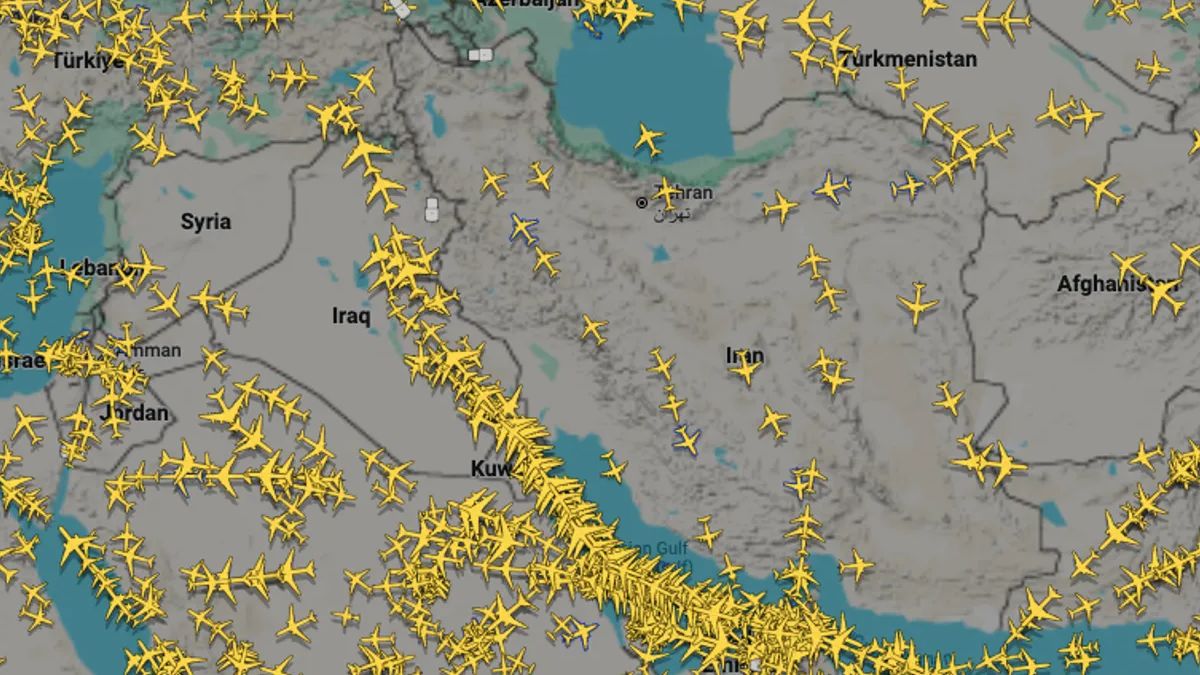
Although they have not verified Hatami’s status, an Iranian military spokesperson told international reporters that the “Zionist-American aggression” would carry a “crushing and historic retaliation.” An ongoing national state of emergency continues in Israel. The IDF has moved hospitals underground and advised its citizens to remain near bomb shelters while “Red Alert” sirens are blaring through Tel Aviv and Jerusalem in expectation of a missile strike by Iran or its regional proxies in response.
The Global Stakes
The death of a leading figure like Amir Hatami pushes up the stakes for the war very much. As commander of the Artesh, he oversaw the conventional territorial integrity of the country, separate from the IRGC's ideological missions. And his departure opens up an enormous void in Iran's military hierarchy, at a moment when it confronts its largest existential threat in decades. World leaders have called for an immediate ceasefire, yet President Trump, by promising to “obliterate” Iran’s offensive capabilities after the attack, seems to have closed the window for diplomacy.