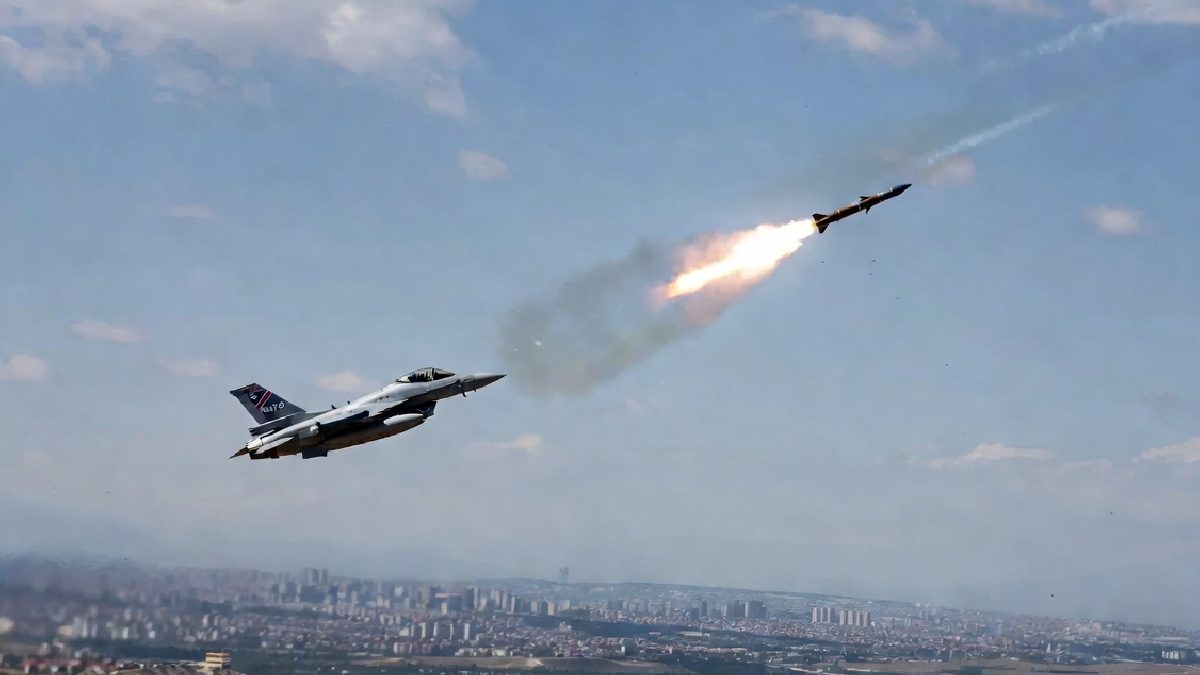
A powerful blow to the growing regional conflict, NATO air and missile defense systems intercepted an Iranian ballistic missile Wednesday as it was en route across Turkey’s airspace. It is the first time it has posed a direct threat to a NATO member state from Iranian fire since fighting broke out on February 28.
The Interception at Hatay
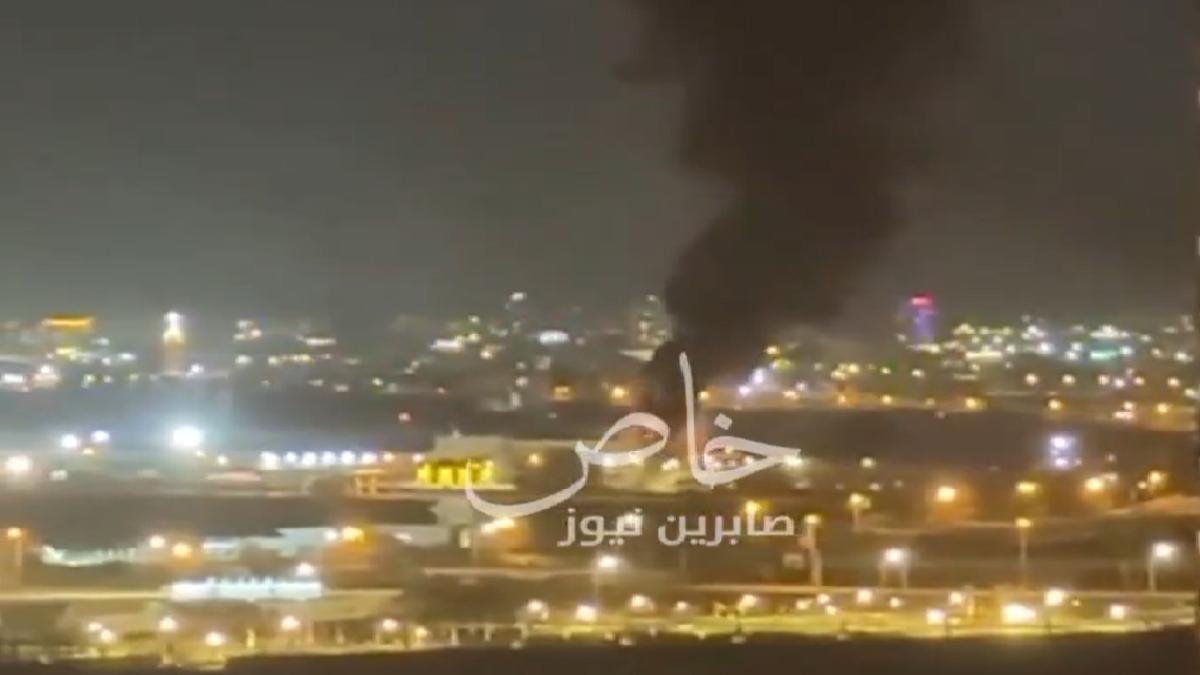
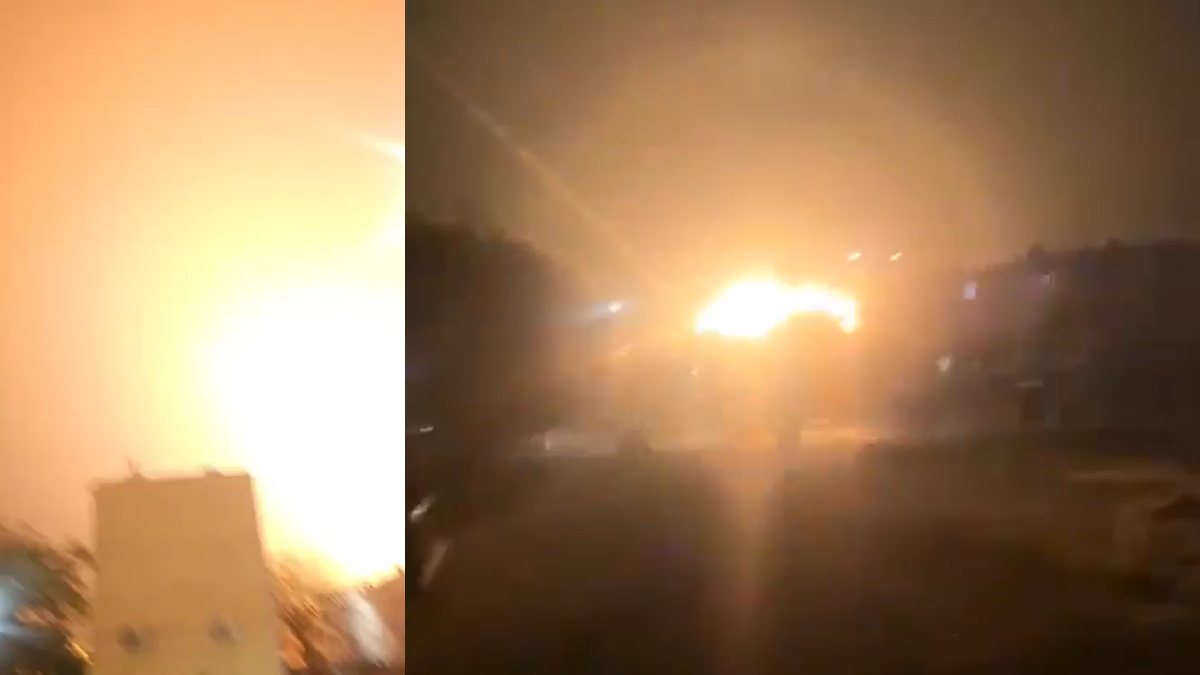
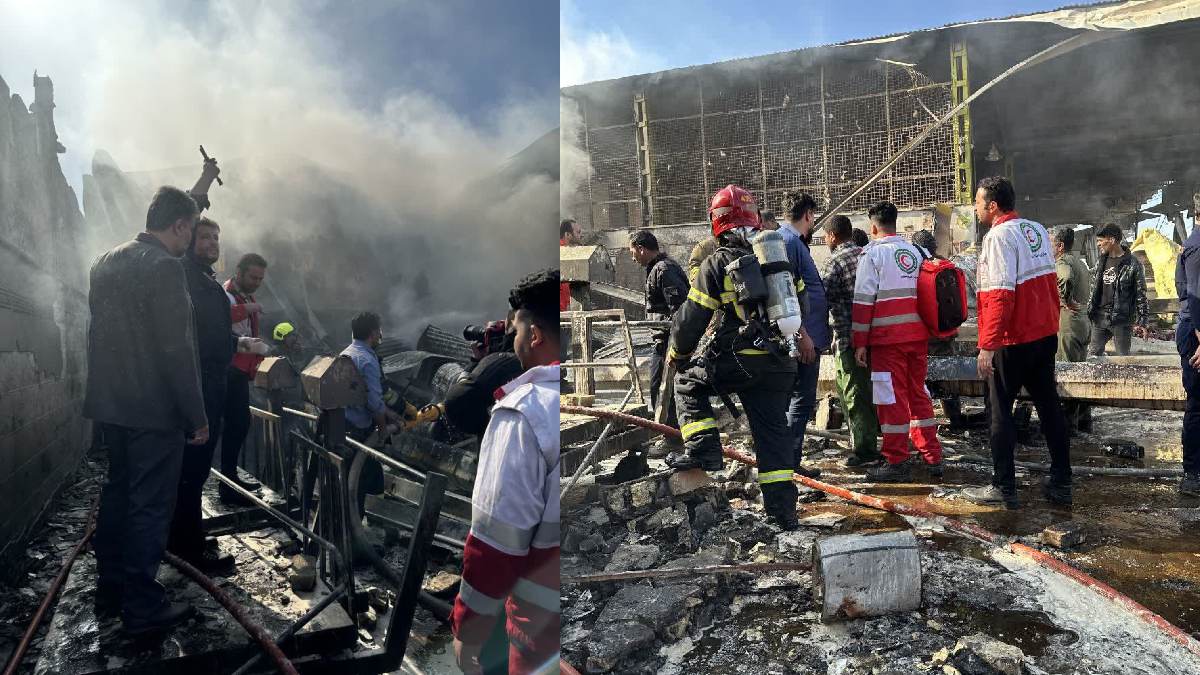
The Turkish Ministry of National Defense said that the missile, launched from Iranian territory, entered Iraqi and Syrian airspace and was later detected approaching Turkey. NATO forces deployed in the Eastern Mediterranean neutralized it. Debris from the interceptor not the missile itself struck the Dörtyol district in Hatay province, near the southern borders of Turkey. The falling wreckage gave local residents a brief panic as authorities said there were no casualties or injuries.
Tehran’s Official Response
In response to the incident, Ankara called on the Iranian ambassador to convey its “deepest concerns and reaction.” In a diplomatic detour, Tehran has appeared to inform Turkish authorities that Turkey was not the target. An unidentified member of the Turkish military organization told AFP recently that the missile had been headed up toward an operational base in Greek Cyprus, but "veered off course" due to a technical failure or jamming.
Iran’s Foreign Minister, Abbas Araqchi, also expressed the same sentiment in talking to local counterparts, arguing that Iranian aggression was aimed at nothing but U.S. and Israeli interests, not the countries around it that have sovereignty over their neighbors.
Turkey’s Balancing Act
Though airspace has been invaded, the Turkish president, Recep Tayyip Erdoğan, has continued to sound a moderate warning to the parties not to engage in actions that would trigger “a major regional fire.” Turkey, which has a 500-kilometer border with Iran, has criticized the initial U.S.-Israeli strikes on Tehran but is now caught being trapped at the crossroads.
On state TV, Turkey’s foreign minister Hakan Fidan issued a striking wake-up call, adding that Iran's broad strike strategy is "extremely mistaken." "The strategy of 'if I sink, I will take the region down with me' is a wrong one and substantially increases risk for us all, including Iran!"
NATO on High Alert
This alliance has denounced the "indiscriminate" Iranian attacks. NATO spokeswoman Allison Hart repeated that the alliance’s deterrence posture is “strong across all domains.”
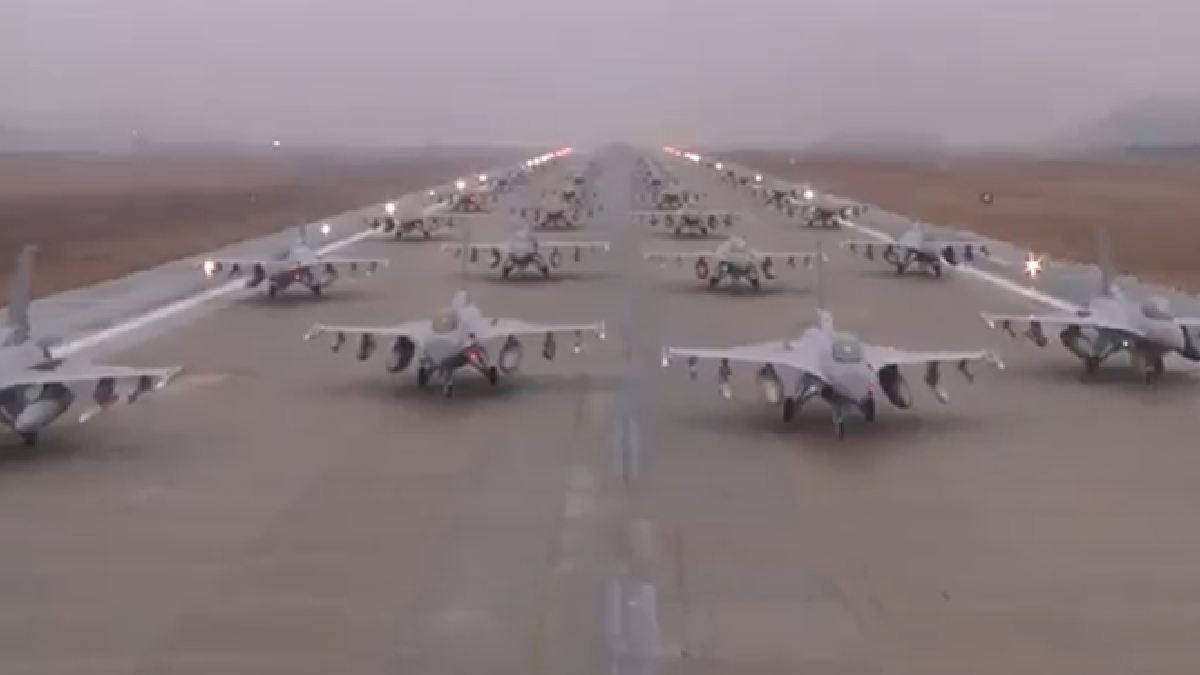
So far, the incident hasn't resulted in a call for Article 5 (collective defense), though Article 4 with its provisions for consultations when a member's security is threatened remain on the table. This adds urgency to a situation where the debris is relatively close to the Incirlik Air Base, which houses U.S. personnel and nuclear assets. As of Thursday afternoon, Turkish military readiness has been at its peak with additional patrol sorties along the eastern border.