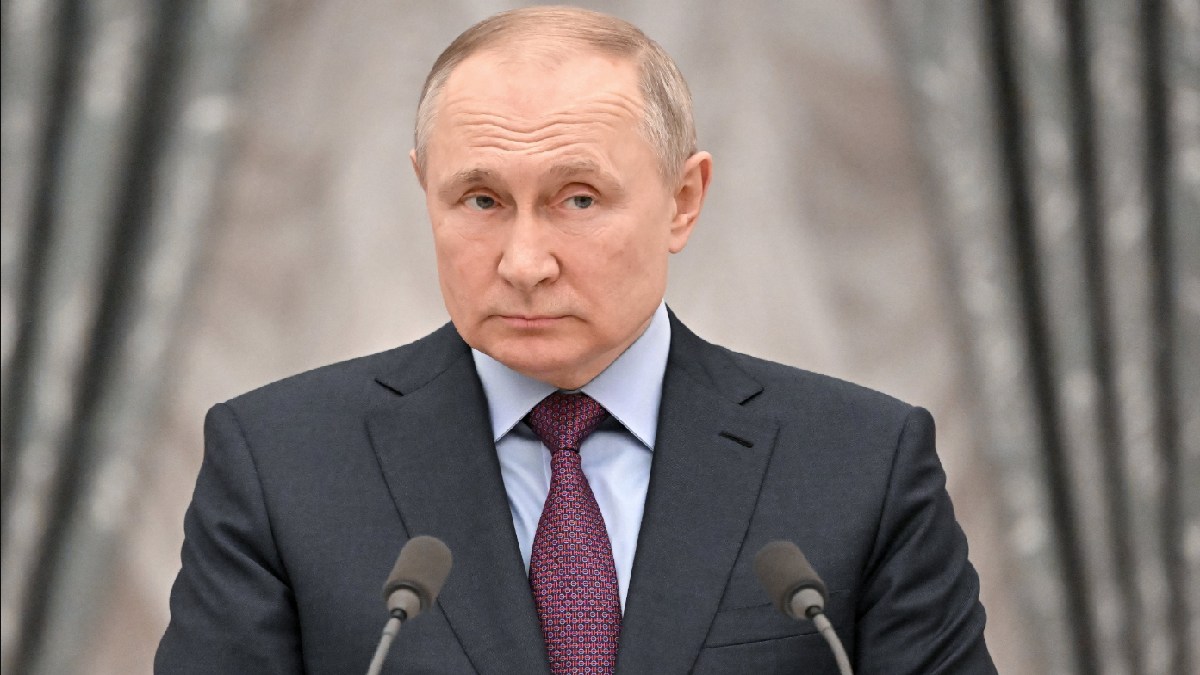
The Kremlin has vehemently denied reports that Russian President Vladimir Putin has been spending long days packed into very tightly controlled bunkers over worries about assassination attempts or plots for coups against Russia’s power structure.
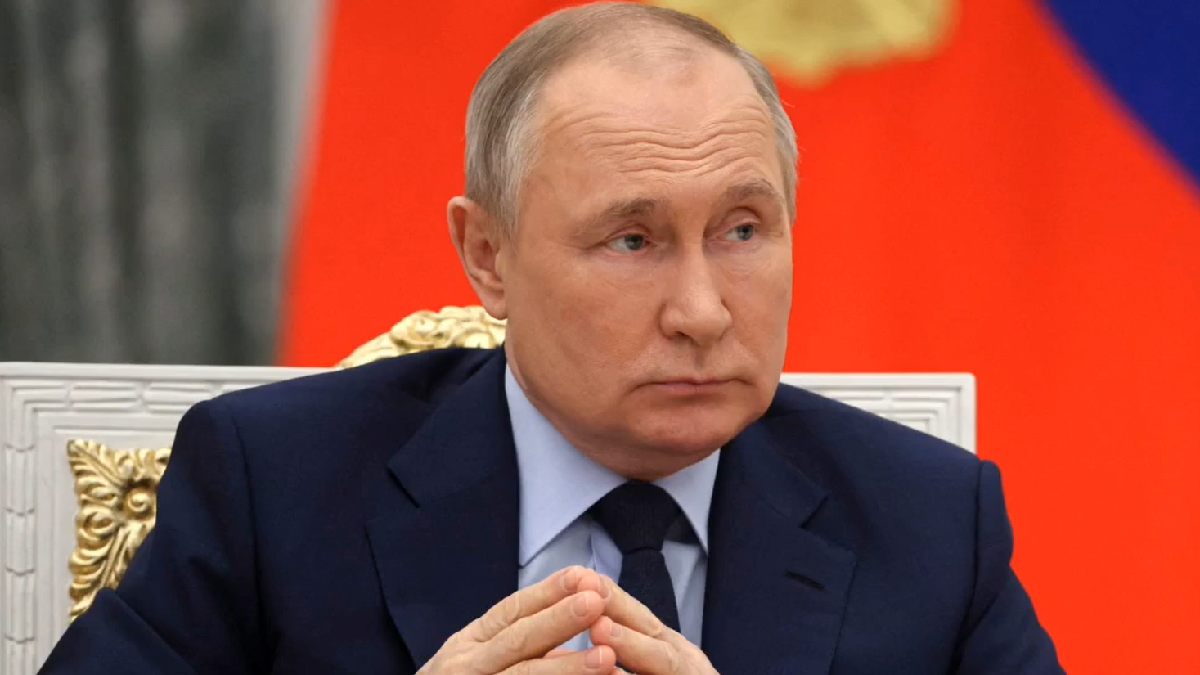
The reports widely shared in international media and on social media painted a picture of Putin becoming increasingly isolated as security fears regarding the intensifying geopolitical conflict around Russia grow.
The Russian leader was said to be using clandestine underground bunkers and fortified compounds to prevent domestic unrest as well as foreign foes. Kremlin officials, by contrast, rejected those allegations as “false” or “speculative,” and said Putin was still doing his job and performing his duties as they are and remained very active in state management.
Dmitry Peskov, the Kremlin spokesman, flatly denied those rumours when speaking to reporters, insisting many of the stories related to their individual safety measures lie in the ether. “Certain news stories” that describe Putin’s individual arrangements for security are overstated or intentionally false, he said.
Russian officials said the president, as head of state, plainly has strict security arrangements in place, since he acts disproportionately internationally, especially in moments of heightened international drama. Better protection protocols, they cautioned, should not be a sign that fear or political dysfunction are at work.
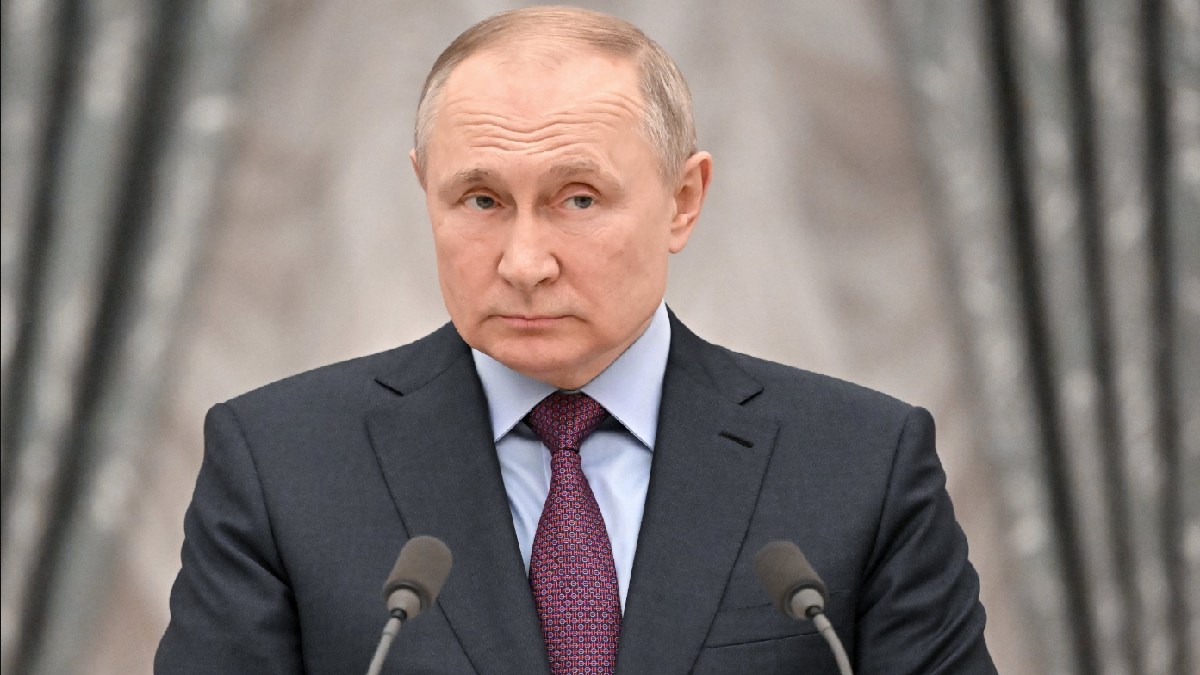
Concerns about Putin’s security degree have intensified over the past few years, especially after the crisis in Russia and Ukraine and against accounts of unrest by some segments of Russia’s political and military elite widely recognised around the world for their tensions and the tensions they formed with Moscow.
Foreign observers and analysts have repeatedly cited an unusually tight secrecy about Putin’s whereabouts, public appearances and travel plans. And in recent years, critics say, the Russian president has seemed to be more insulated from the public than in past years, during his rule.
Conspiracy theories about underground bunkers and safe presidential venues are no new invention. Russia has high-security command centres and emergency shelters for national leaders, at least in wartime or other times of national crises like those of many great powers.
But rumours that Putin is living in those sites permanently have never been independently confirmed. Speculation had also spiked after calls to carry out drone strikes near Kremlin infrastructure that some had never seen before, internal military tensions and reports from some elite Russians expressing frustration following several high-profile political and military developments in Russia.
Foreign journalists and political observers have theorised that concern over assassination attempts or threats of a coup has brought greater focus to the Russian president. Yet no official announcement from Russian officials has said it’s true. Amid military or political unrest, political critics note an escalation in fears over the health, safety and security of strong leaders.
The secrecy of Putin’s personal life and security operations, meanwhile, has often stoked speculation abroad. Yet Putin has continued to appear at formal meetings, foreign conferences, military exercises and televised state sessions. Rumours have circulated, and Russian papers have written of countless similar meetings with ministers, military personnel, provincial governors and foreign officials.
Supporters of the Russian government also say Western media tend to gravitate toward sensational stories involving Putin to emphasise the volatility of Russian leadership. Critics, by contrast, contend that the Kremlin’s secrecy only fosters speculation and conspiracy theories.
That is evidence of a world where global leaders and state experts in the field of security, especially those on the highest rungs of the nuclear power hierarchy or those of nations embroiled in challenging geopolitical conflicts, anticipate operating under wide-ranging security frameworks that will consist of protected compounds, limited access to travel information and emergency command buildings. To my knowledge, so far, the Kremlin has played down the bunker rumours as false hype. But the reports offered a new optic on global scrutiny of Putin’s leadership, Russia’s internal political atmosphere and global pressures over Moscow.