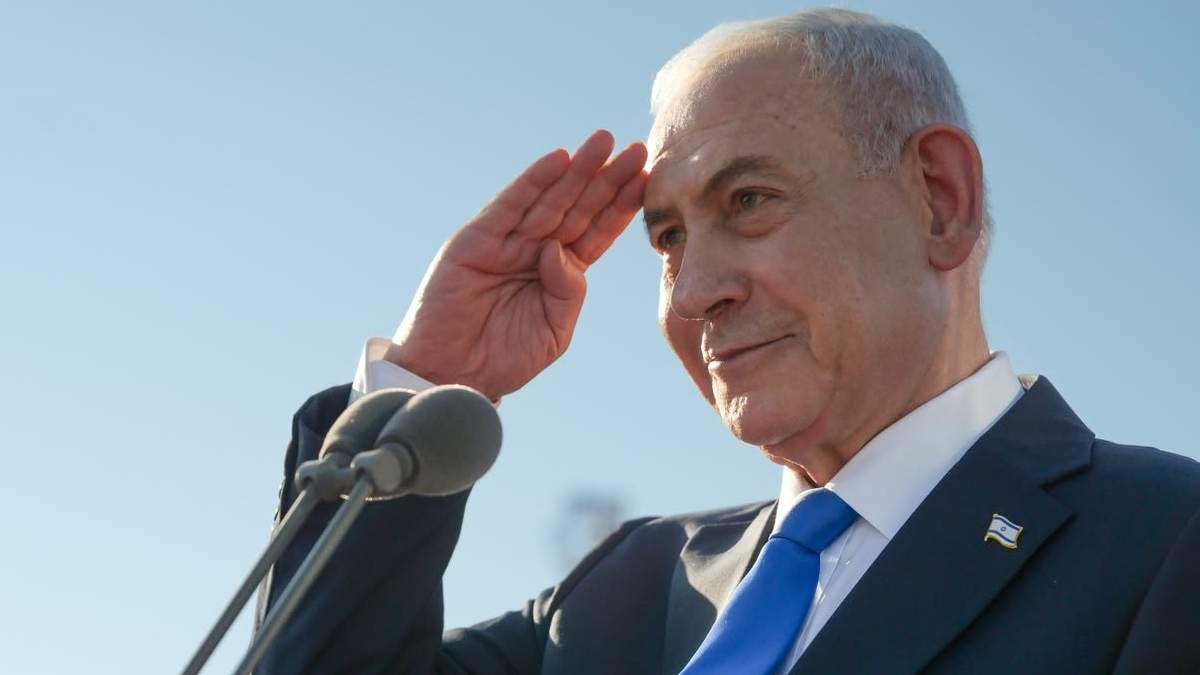
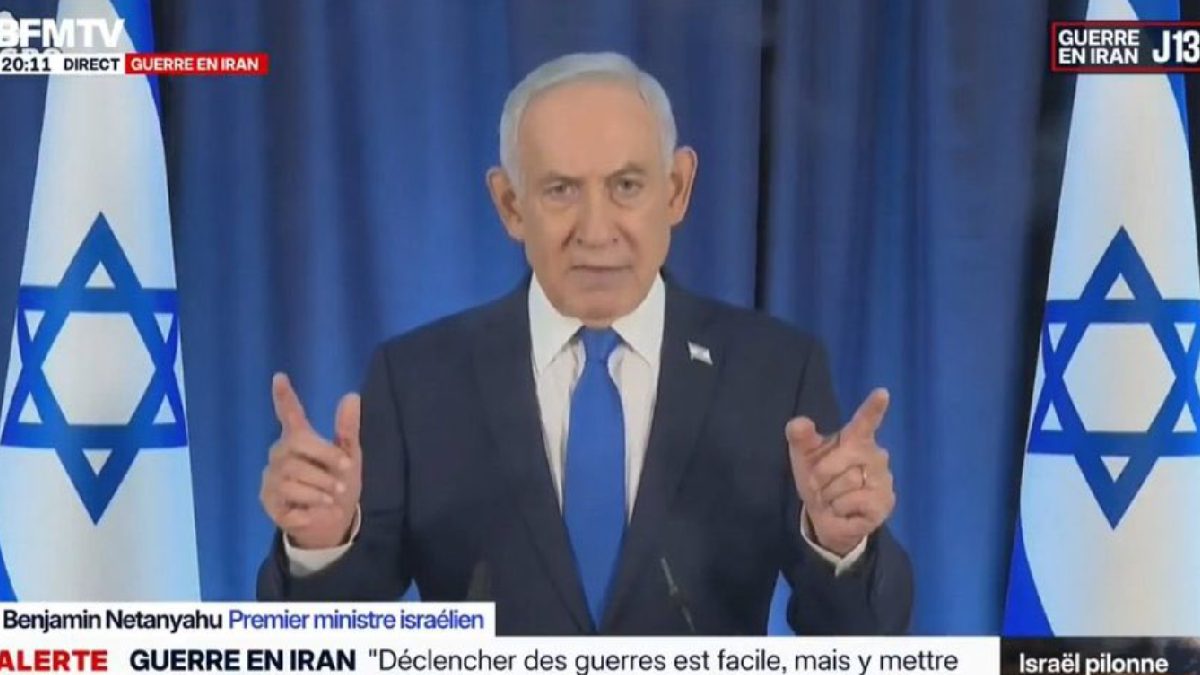
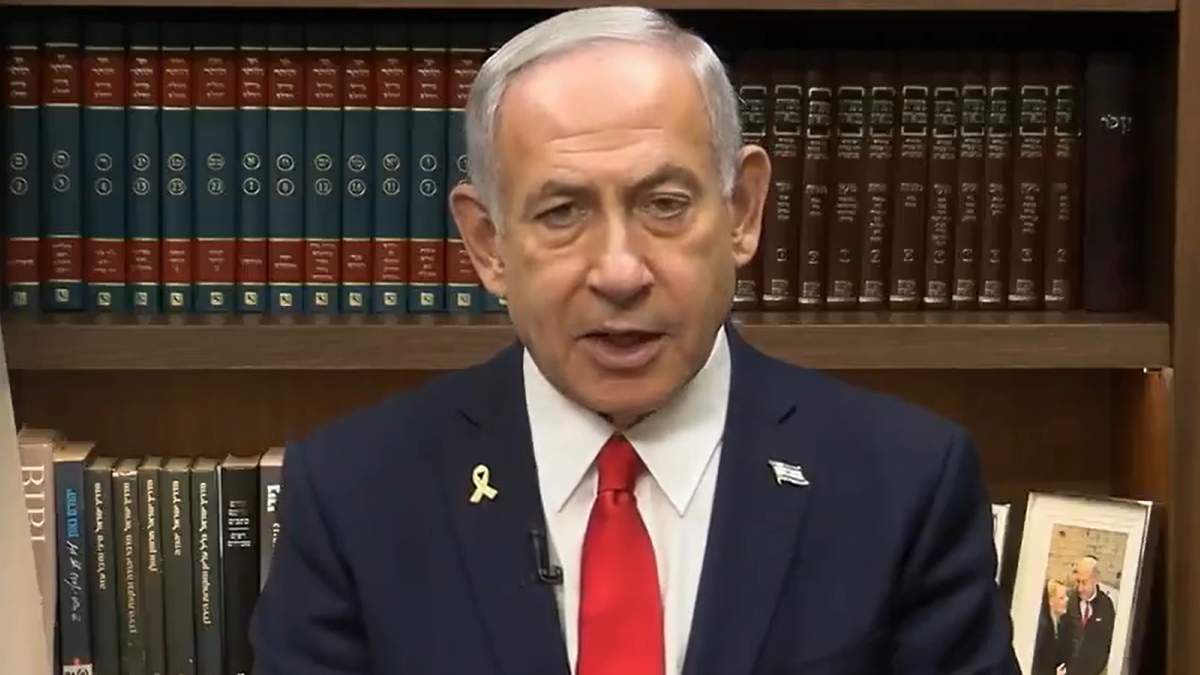
Israeli Prime Minister Benjamin Netanyahu has publicly opposed the sale of US-made F-35 stealth fighter jets to Turkey, warning that transferring America's most advanced combat aircraft to Ankara would threaten Israel’s security and dramatically alter the strategic balance in the Middle East.
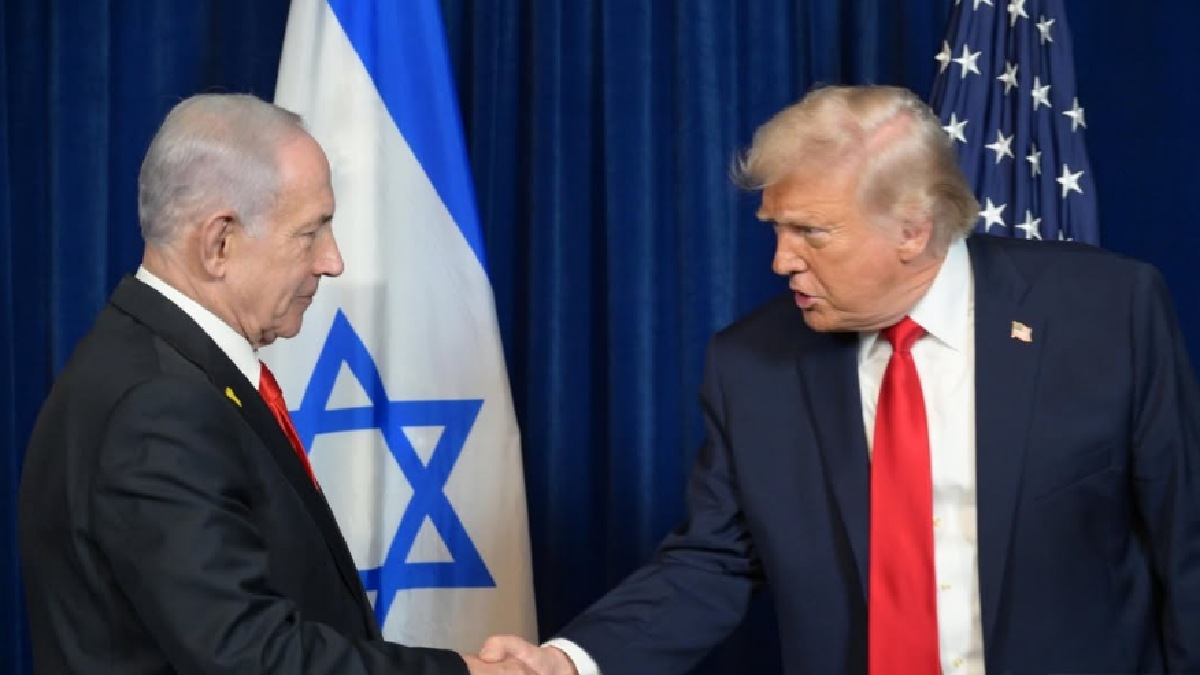
Netanyahu said in an interview with CNN that he had personally asked US President Donald Trump not to move forward with the sale when Trump said he would be open to easing restrictions imposed during his first term.
Netanyahu Questions Turkey's Reliability
In the end, Netanyahu said, the Turkish president, Erdogan, is no longer a reliable US ally.
"The sale of America's most advanced fighter aircraft doesn't make Turkey a friendly state to the United States," Netanyahu said.
He went on to criticise Erdogan's government, claiming it was influenced by the Muslim Brotherhood and accusing the Turkish leader of repeatedly making hostile statements against Israel.

"He's not exactly a model ally of the United States. He threatens to destroy my country, the one and only Jewish state,” Netanyahu said.
The Israeli leader warned that providing Turkey with fifth-generation stealth fighters would have consequences beyond bilateral relations.
"This is not a force for peace and stability. When you give them that power, you’re going to see aggression in its wake," he said, adding that he had appealed directly to Trump because such a decision could "destroy the power balance in the Middle East."
Trump Open to Reconsidering F-35 Deal
Netanyahu made the comments after Trump told the NATO summit in Turkey that his administration is considering allowing Turkey to purchase the F-35, despite a congressional restriction on the request.
Trump called Turkey an "extraordinary ally" and claimed Washington’s relationship with Ankara had improved.
"We have a better relationship with Turkey, and Turkey has been in many ways much more loyal than other countries that we think would be loyal," Trump said.
Describing the F-35 as "the best plane by far," Trump said selling the aircraft to Turkey will be "certainly something we will consider."
The US president also announced plans to lift sanctions imposed on Turkey over its acquisition of Russia’s S-400 air defence missile system.
"We are going to be taking the sanctions off. We don’t want to sanction friends," Trump said.
Israel-Turkey Relations Remain Strained
There is a dispute over the sale of the F-35 and at the same time the relations between Israel and Turkey are getting worse.
Last week, Turkish Foreign Minister Hakan Fidan described Israel as "a burden that humanity can no longer bear" in a speech that provoked a sharp response from Israel’s foreign minister, who accused the Turkish government of "textbook incitement to genocide."
The spat exposed a growing diplomatic gulf between the two regional powers as the Middle East is still at war.
Netanyahu Downplays Differences With Trump
Despite publicly disagreeing with Trump on Turkey, Netanyahu dismissed suggestions that the issue reflected a wider rift between the two leaders.
His comments followed Trump’s recent comment that Netanyahu "knows who the boss is."
Responding to that statement, the Israeli Prime Minister emphasized that both leaders act in their national interests.
"He's the President of the United States. He does what is good for the United States. I am the Prime Minister of Israel, I do what is important for Israel, and most of the time these things are identical," said Netanyahu.
Cautious Response on Iran Ceasefire
Netanyahu also addressed the recent US-Iran ceasefire agreement, which ended weeks of hostilities and reopened the Strait of Hormuz for global shipping.
While he has long resisted talks with Tehran and has been a vocal opponent of previous US-Iran nuclear diplomacy, Netanyahu stopped short of criticising Trump’s latest initiative.
"It's too early to say what will happen," he said.
"The president thinks he can stop Iran's nuclear program through negotiations. I have my doubts, but I think he should be given the chance."
The ceasefire has not yet resolved key disputes surrounding Iran's nuclear programme, ballistic missile development, support for regional proxy groups and its stockpile of highly enriched uranium, which is still very important to further negotiations.
Why the F-35 Debate Matters
The Lockheed Martin F-35 is considered the world's most advanced fifth-generation fighter aircraft, combining stealth technology, advanced sensors and network-centric warfare capabilities.
Israel has long had a qualitative military edge in the Middle East with US support and has the F-35 as a key component of its air force. If Turkey were to be offered the same capability, it would be a big shift in the regional military landscape. The issue is at the center of the defence and foreign policy debates in the area being watched closely by Washington, Jerusalem, and Ankara.