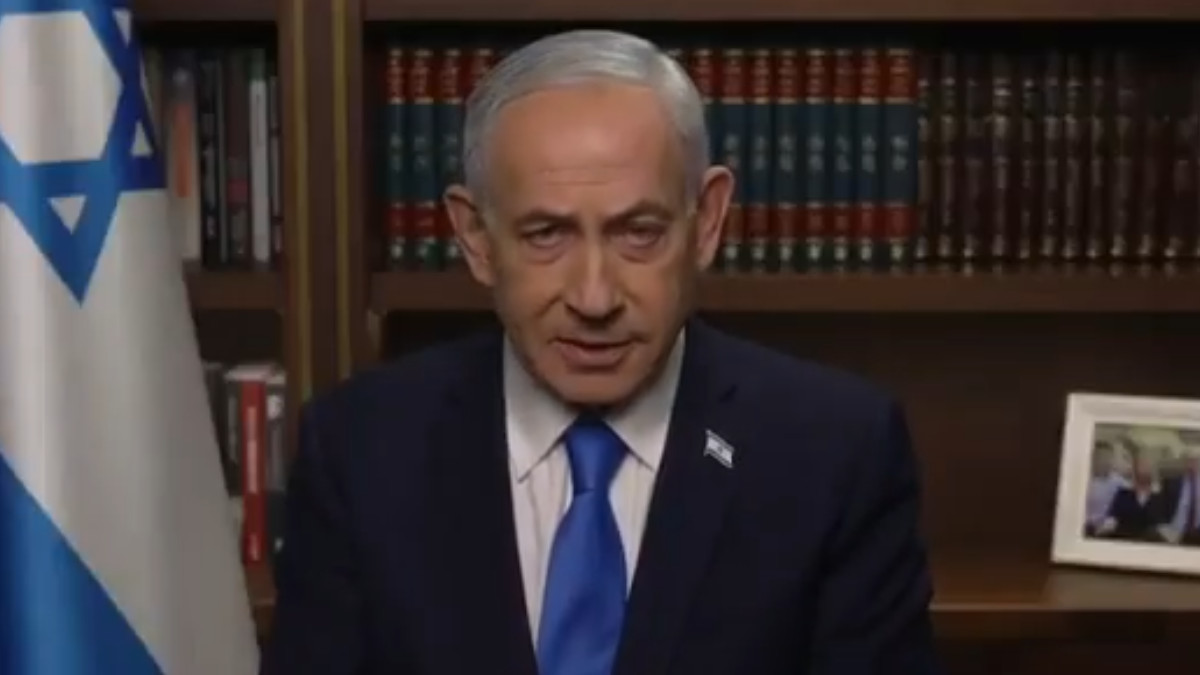
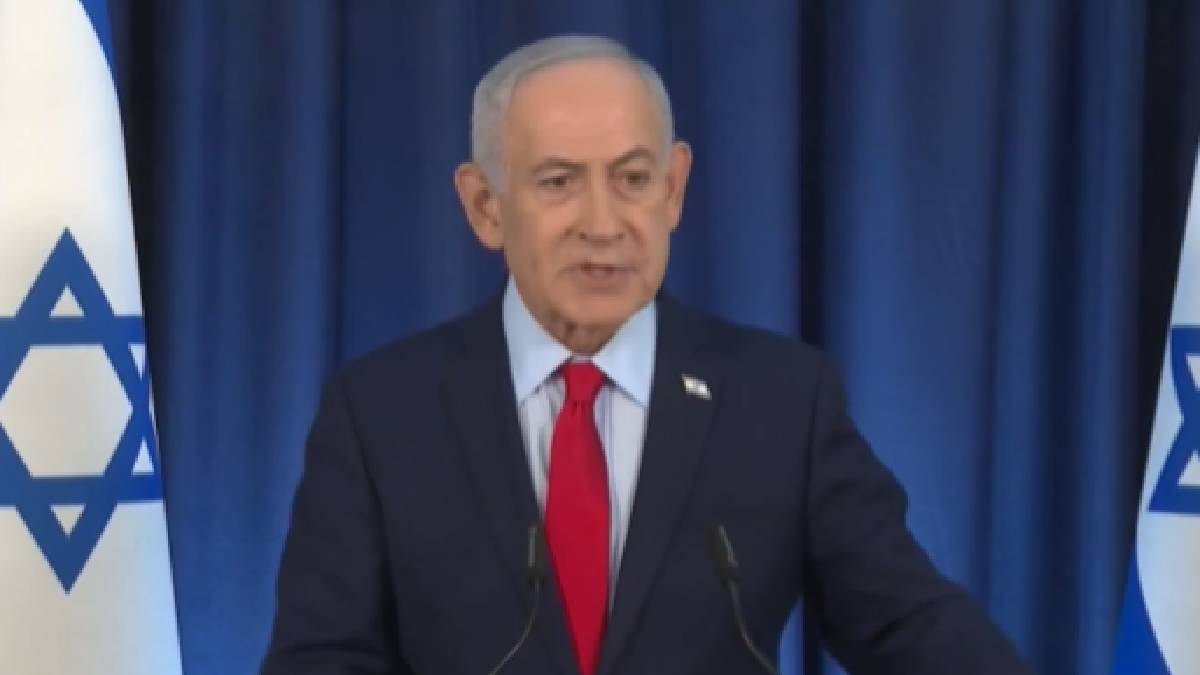
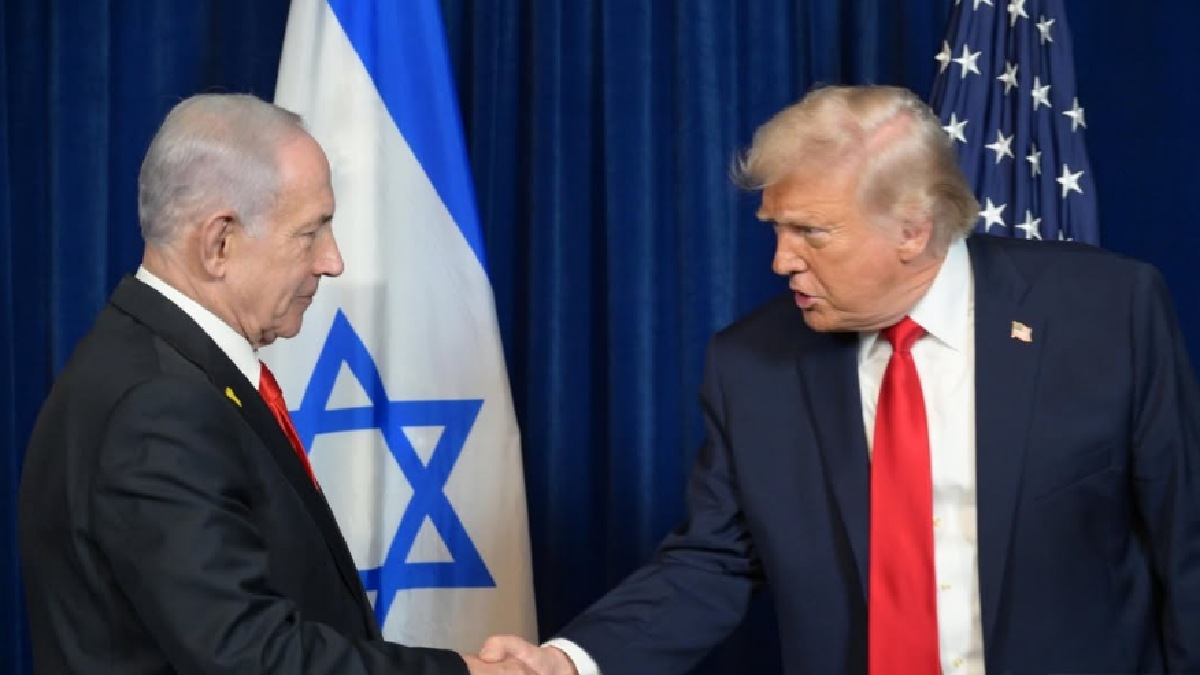
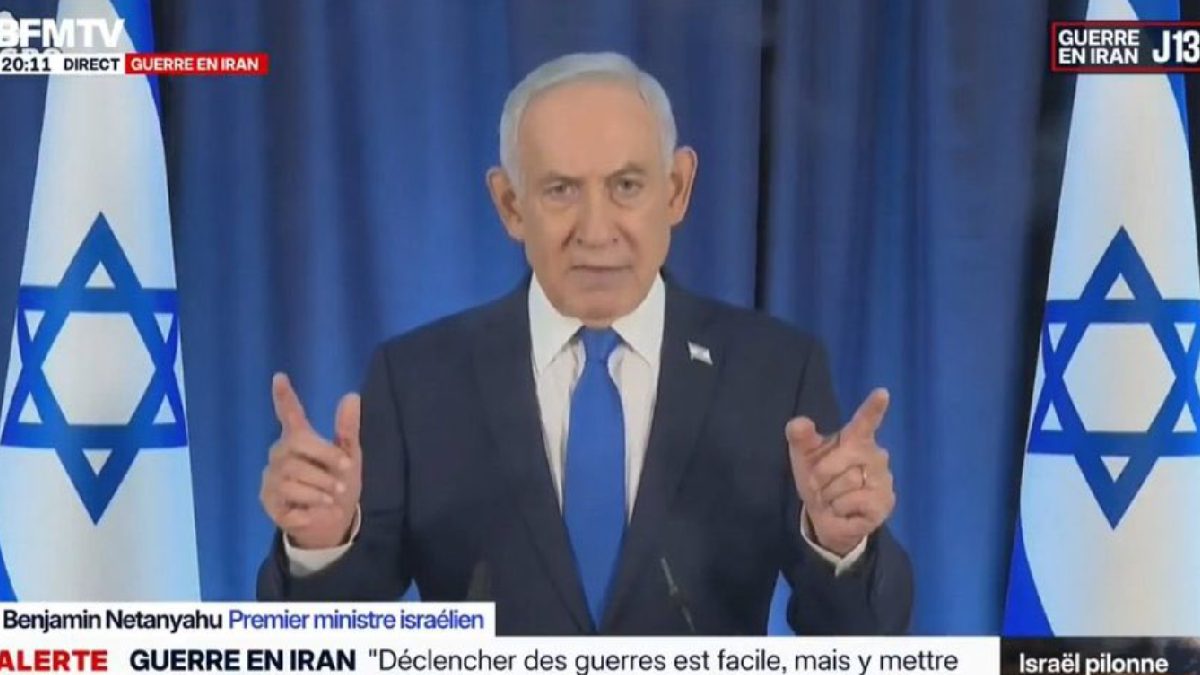
Israeli Prime Minister Benjamin Netanyahu, for his part, said a senior commander of Hezbollah had been killed after Israeli airstrikes undertaken “in the heart of Beirut,” another major escalation of the current regional conflict.
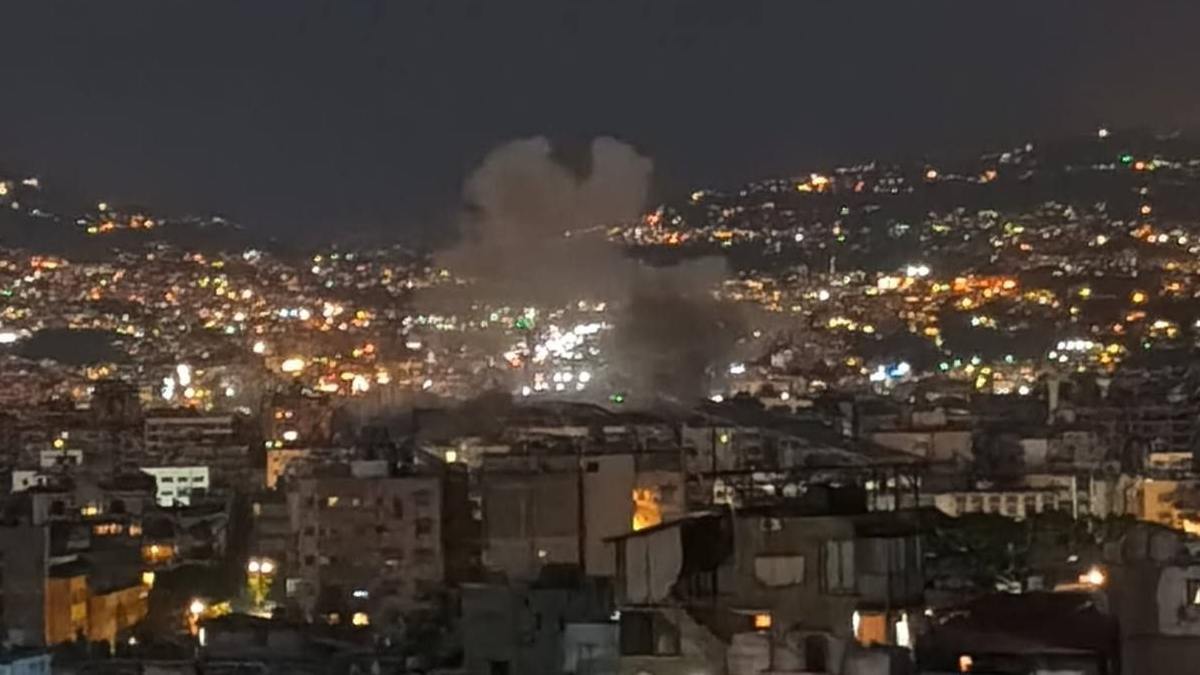
The remarks followed media reports of giant explosions in central Beirut, where Israeli forces reportedly bombed strategic sites tied to Hezbollah. Netanyahu Announces Operation. Following the strike, Netanyahu was subsequently reported as saying that Israel had removed a senior Hezbollah commander from the high-end top suspects’ list.
The operation was one element of Israel’s wider strategy to eliminate threats posed by Hezbollah and affiliates it is creating near its frontiers. The ruling signalled to the Israeli Prime Minister that, though Israeli military operations on and within the interior of Beirut could continue, heightened demands for security in those areas will also come with renewed tensions.
Israeli officials did not immediately reveal any operational details, but security estimates indicated the strike struck a target believed to clash with Israeli interests.
Explosions Rock Beirut
Residents heard explosions in much of Beirut, causing panic and large-scale mobilisation of emergency services. Some videos that were shared online showed the smoke rising in parts of the capital of Lebanon as ambulances and rescue teams made their way to at least some affected areas.
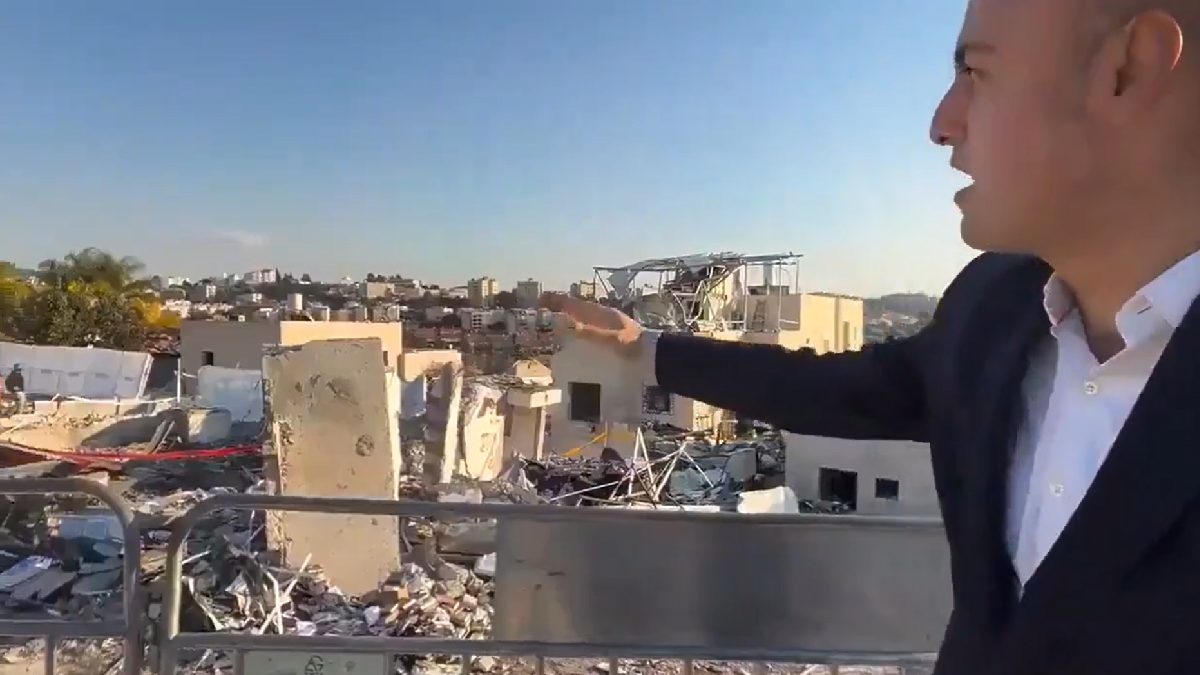
Lebanese officials have not been able to fully estimate the number of casualties or damage done to the population due to assaults that flattened buildings and hospitals. Hezbollah Returning (and Still No final response).
Hezbollah Has Not Taken Action
So far, Hezbollah has not responded officially: It has not released its own information on who killed its commander in the attack. But other analysts on the region can anticipate bitter rhetoric of retaliation, not least on the part of the powerful group, which is widely perceived to have considerable influence and ongoing animosity toward Israel.
The group has repeatedly warned Israel against attacks on Lebanon, particularly in densely populated areas such as Beirut. Rising Israel-Lebanon Tensions. The latest strike comes as the military relations between Israel and Hezbollah have soured following repeated cross-border exchanges, missile attacks and drone strikes in the past several months.
The war spurs speculation of a larger regional war involving other armed factions and neighbouring countries. Direct Israeli strikes into Beirut are a much larger escalation from earlier strikes that focused more on southern Lebanon, according to security analysts.
International Concern Growing
They are increasingly looking at the other issue, including what’s going on on a global scale, as leaders and institutions overseeing the unfolding issue make concerted efforts to keep up and ensure that no one goes down. But it also escalates the threats that they fear arise; violence could be seen as a destabilising force in much broader parts of the Middle East region.
Foreign nations have already appealed for both restraint and diplomatic measures to address the growing tension between Israel and Hezbollah, potentially jeopardising both trade connections and humanitarian crises in both Lebanon and Israel.
Residents of Beirut Fear Burgeoning Conflict
The latest attack has alarmed residents of Beirut, with multiple reports warning that they may be dealing with a resumption of severe flare-ups that once scattered wide parts of the city. It is well established that police and security forces have strengthened their security forces and patrols in parts of the city after the strike.
But they’re not ending the ongoing struggle. At a time when they are both at their wits’ end of regional diplomacy, however, the death of the well-respected Hezbollah commander could sow tensions between the two sides.
Armed forces say targeted assassinations and direct retaliation strikes could set off a dangerous escalation cycle in the coming days. The Middle East has been destabilised until now, with both Israel and Hezbollah looking forward to the next strike after the biggest in Beirut in months.