Italian Prime Minister Giorgia Meloni has announced a series of school reforms that would ban face-covering veils (such as burqas and niqabs) in schools, limit the number of foreign students per classroom, and require some migrant parents to learn Italian. Its implementation is expected to be presented to the Italian Cabinet in the coming weeks and could spark a heated debate across Europe on immigration, integration, and religious freedom.
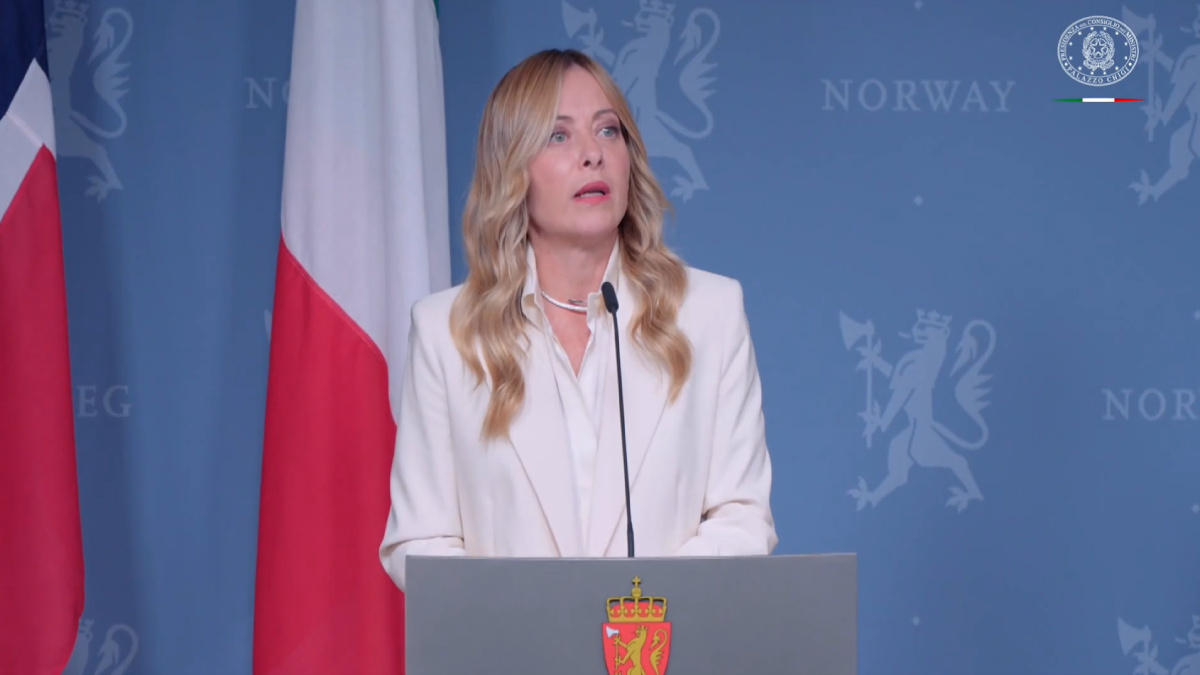
Meloni, speaking at a youth event organised by her Brothers of Italy party, said the government would set a legal limit on the number of foreign students allowed in a single classroom. The aim is to develop language learning as part of the Italian education system and integration for students to learn Italian; the aim is to understand more about the language and to communicate effectively, she said. If too many students in a class don’t speak Italian, integration becomes harder and educational outcomes suffer.
The Italian leader also announced plans to ban burqas and niqabs in schools. Meloni said students should go to school with their faces visible, and she added that no tradition should require young women to hide their identities in school. The policy was developed for face-covering clothing and is part of her government’s broader focus on social cohesion and inclusion in public life.
Meloni said parents of foreign students who encounter difficulty integrating into the school system may have to learn Italian as well. The government believes that more involvement and language proficiency can help children adapt to school and society better and more readily.
Italy has long been at the centre of European migration debates because it lies on the Mediterranean and is one of the main entry points for migrants and asylum seekers arriving from Africa and the Middle East. Immigration, cultural integration, citizenship rules, and religious symbols are still very sensitive political issues in the country.

The proposed reforms are likely to be challenged by opposition parties, human rights organisations, and civil society. Those who argue that the restrictions on religious attire could affect individual freedoms and religious expression will be opposed to those who feel that such measures are necessary for social integration and maintaining a common educational environment.
At present, foreign students account for around 11.6 per cent of all students in Italian schools, according to research data cited in reports. Meloni has not yet specified the limit on the number of foreign students per classroom, however, in the proposed legislation.
Before becoming law, the measures need to be approved by the Cabinet and then passed through the parliament in Italy. The proposals have already generated considerable debate, both within Italy and internationally, in line with the larger European debate on migration, integration, and religious symbols in public institutions.
If approved, the reforms would mark one of the most significant changes to Italy’s education and integration policies in recent years and could influence similar discussions in other European countries facing similar challenges.