External Affairs Minister S Jaishankar has called for reforms in the United Nations, saying that the world's global body has been failing to take a leadership role in deciding on some of the major international issues of the world's most pressing international problems and has not been able to make a decision-making role in some of the most important international disputes and has not been able to make decisions on some of the most important international concerns.
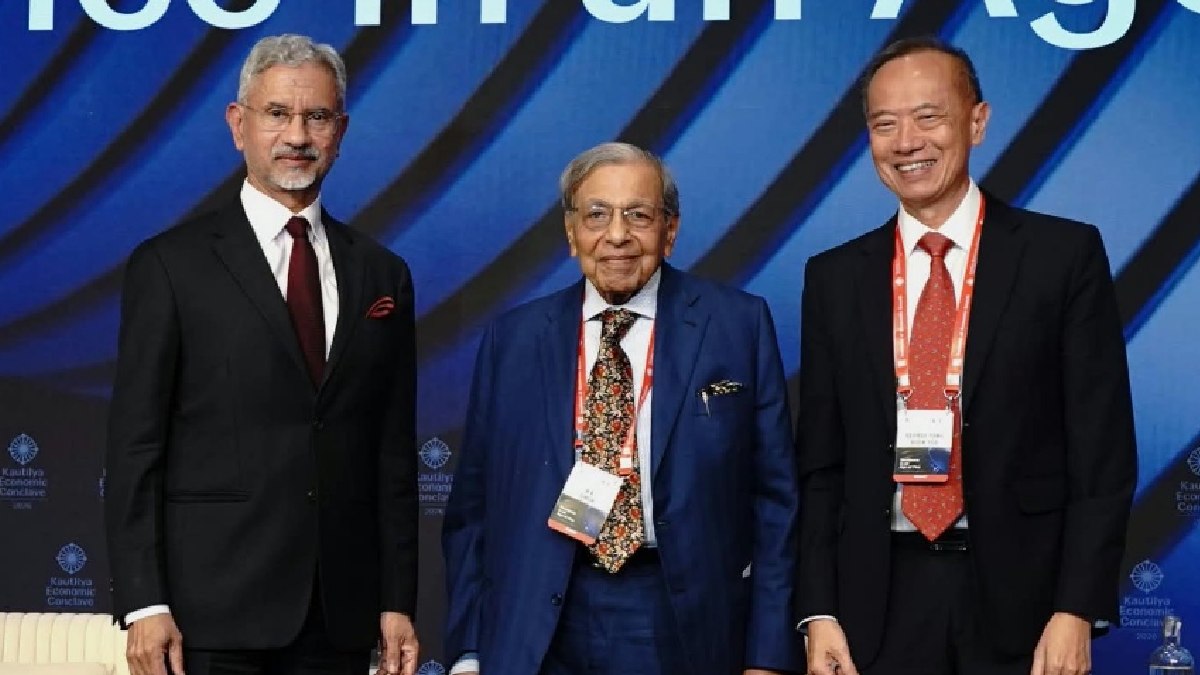
At the 5th Kautilya Economic Conclave in New Delhi, Jaishankar said the United Nations must work to harmonize with the changing world order and be responsive to the changing landscape of the world and adapt to it as well as for a larger and more diverse group of people.
On the future of the United Nations & multilateral institutions, Jaishankar said the UN has become ‘gridlocked’ on so many issues. He cited conflicts in the Gulf and Ukraine, developments in Africa and the international reaction to Covid as examples of where it has had limited impact, in his view, on the organisation’s decision-making power.
Some of the problem lies in the UN Security Council’s structure according to Jaishankar. The Security Council no longer represents the entire global interests of the world and disputes among its members have contributed to the wider difficulty in deciding on major international issues that are at play, he said.
The External Affairs Minister has long argued that the structure of global institutions does not keep pace with changing global dynamics. He said at the Delhi conclave that the United Nations was established with 51 member countries and today has more than four times that number.
His argument was that an organisation that has grown so quickly cannot continue operating in an institutional setting for a much different global environment.
Jaishankar said there is a widespread belief that reform is needed, but he also pointed to resistance from some countries. Without naming specific countries, he said some players are resistant to changes to the UN and use Africa’s interests as an argument against reform.
African countries have also stated their positions at the intergovernmental level, Jaishankar said. Africa has articulated its own views on what it wants for reform of the United Nations, so it is important to distinguish between African countries' thinking and arguments on their behalf, he said.
The minister went on to say the answer shouldn’t be to abandon the United Nations. Instead, he said countries should work towards improving the organisation. “We need the UN,” Jaishankar said, while underlining how much the UN has helped the international community over the decades, and it had been an institution that needed to work in the world.
That was his view; the world should fix the United Nations, rather than create alternatives around it. He also felt that the UN itself has to be a part of the reform process.
Jaishankar's remarks came at the same time as the debate on the future of multilateral institutions. The global system is getting more and more multipolar as more countries play an important role in economic, political and strategic affairs. There has been a push by some countries to have more say in international institutions.
India has long pushed for reform of the UN Security Council and the appointment of permanent and non-permanent members. New Delhi feels that the current arrangement does not reflect the geopolitical and economic situation. The issue has also figured prominently in India's diplomatic activities at the international level.
The External Affairs Minister also addressed the international financial and trade system during the conclave. The debate should not rest only on financial institutions and the global trading system also needs to be questioned, he said.
Jaishankar said there is a widespread perception that the existing international economic system is under strain. He pointed to what he said was a gap between market principles on which the system was built and the fact that there are significant non-market practices in the global economy.
According to him, such practices have led to distortions in international economic relations. The tension between market-based norms and what he calls the “non-market reality” is at the heart of the current global economic debate, he said.
The comments were made during the closing session of the three-day Kautilya Economic Conclave, which was themed “Resilience in an Age of Flux”. Jaishankar sat next to former Singapore Foreign Minister George Yong Boon Yeo.
Jaishankar’s comments highlight India’s continuing focus on modifying multilateral institutions and not replacing them. His remarks also echo the discussion of the global organisations established in the aftermath of the Second World War in order to deal with the current conflicts, economic challenges and changing balance of power in the world.
India's reform of the United Nations is closely connected to the larger question of making global decision-making more representative. Jaishankar’s comments suggest that New Delhi will continue to press for institutional changes while maintaining that the UN is still a necessary instrument for international cooperation.