India’s cheetah conservation programme has reached another major milestone after an Indian-born female cheetah gave birth to five healthy cubs at Kuno National Park in Madhya Pradesh.
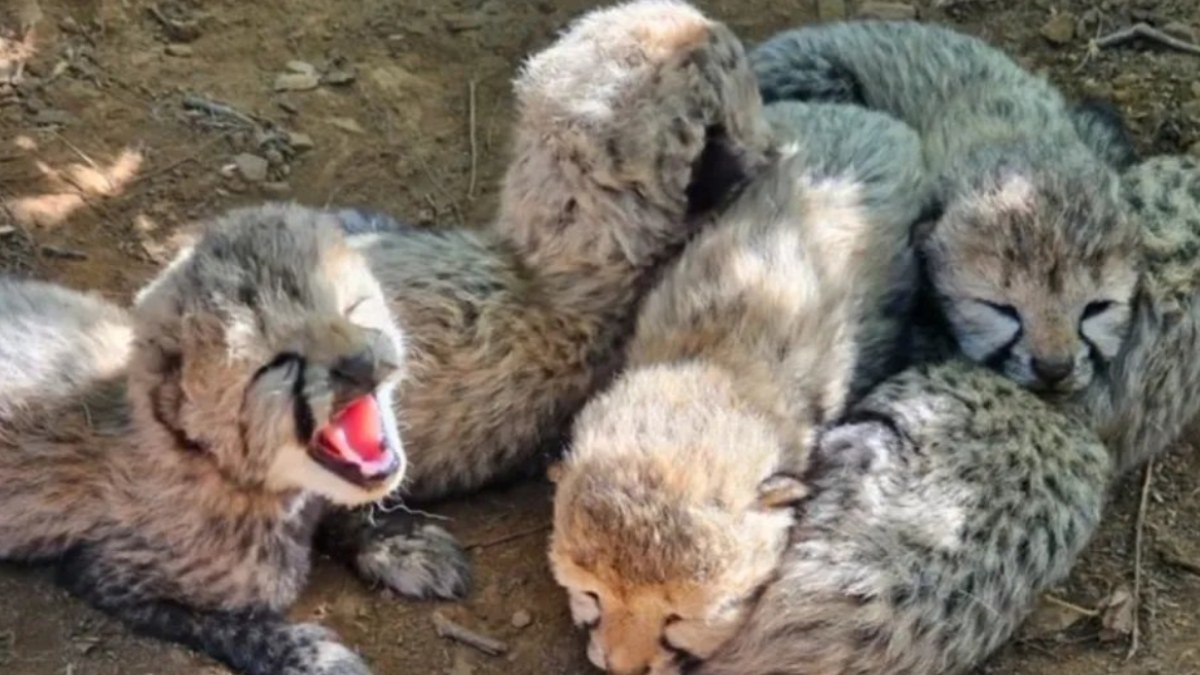
The 32-month-old female, identified as KJP21, delivered the cubs on 5 October 2026. According to the Press Information Bureau, the births have taken India’s total cheetah population to 60, including 41 cheetahs born on Indian soil.
The development is another step in India’s pursuit of establishing a breeding population of cheetahs after their reintroduction into the country.
KJP21 Is The Third Indian-Born Female to Give Birth
KJP21 is now the third Indian-born female cheetah to give birth in India. She follows Mukhi and KGP12, who have already contributed to the next generation of cheetahs at Kuno.
The birth is particularly important because it shows that cheetahs born in India are themselves reaching reproductive age and producing offspring.
For Project Cheetah, this is an important part of the longer-term mission of establishing a viable population capable of reproducing over successive generations.
Botswana Lineage Enters India's Cheetah Population
The five cubs also have a significant genetic distinction. Their father is a male cheetah from Botswana, so the births mark the beginning of the Botswana lineage in India's cheetah population.
The addition offers another genetic lineage to the growing population and follows India’s efforts to strengthen the genetic base of Project Cheetah through international cheetah transfers.
The Indian Express also reported that the Botswana-born father and India-born mother combination represents a new lineage for India's reintroduced cheetah population.
Another historic and joyous milestone for Project Cheetah! 🐆❤️ KJP21, a 32-month-old Indian-born female cheetah, has given birth to five healthy cubs in Kuno National Park today. KJP21 is the third Indian-born female cheetah to give birth, after Mukhi and KGP12—an important milestone in the emergence of the next generation of India’s cheetah population. With the arrival of these five cubs, the cheetah population in India has reached 60, including 41 Indian-born cheetahs. Importantly, these cubs also mark the beginning of the Botswanan lineage in India, as their father is a Botswanan male cheetah—adding a new genetic lineage to India’s growing cheetah population. Another generation born on Indian soil, adding yet another beautiful chapter to the remarkable story of cheetah reintroduction in India. Heartfelt congratulations to the veterinarians, field staff, managers and everyone associated with Project Cheetah, whose dedication, commitment and tireless efforts have made these moments possible. Welcome to the world, little ones 🐆 #WildlifeWeek2026
— Bhupender Yadav (@byadavbjp) October 5, 2026
Project Cheetah enters a new phase.
India launched Project Cheetah in 2022 with the arrival of cheetahs from Namibia. Cheetahs were then brought from South Africa and Botswana as part of the overall reintroduction programme.
The latest birth is important because the project is increasingly seeing reproduction among animals born in India rather than only animals brought from other countries.
But conservation staff and experts will continue to monitor the survival and development of the cubs. Population growth is not only dependent on births but also on cub survival, habitat management, prey availability and long-term health of the cheetah population.
A Major Conservation Milestone
The arrival of five cubs adds another chapter to India’s cheetah restoration programme. With 41 of the country’s 60 cheetahs now born in India, the latest development highlights the increasing role of local breeding in the programme.
Bhupender Yadav, Union Environment Minister, told reporters the birth was an important milestone in the emergence of the next generation of India’s cheetah population.