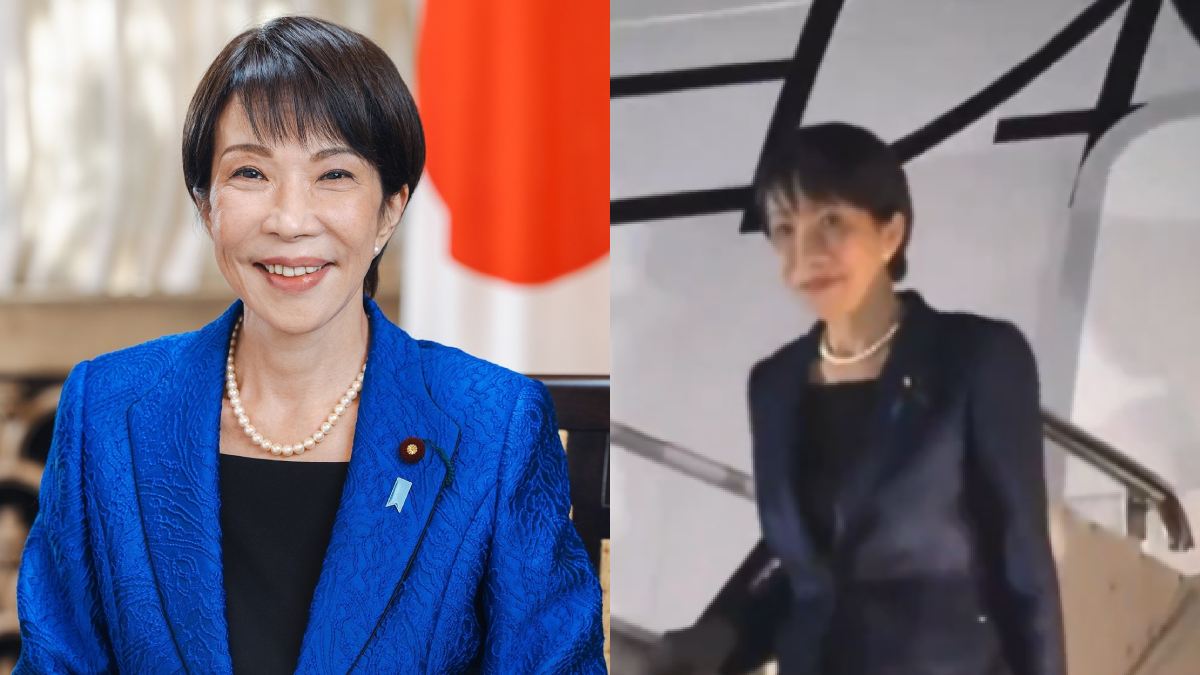
Japanese Prime Minister Sanae Takaichi arrives in the United States for talks with President Donald Trump. The visit comes in an era of worldwide tension, most notably the U.S.–Israel war against Iran. The talks are expected to examine security challenges at the Strait of Hormuz, trade ties, and the future of the U.S.–Japan relationship.
Japan and the United States have had for long an economic and security alliance. This trip is designed above all to showcase trade and regional stability. The focus turned by the war with Iran has reoriented that agenda. The Strait of Hormuz, a narrow waterway through which much of the world’s oil passes, has emerged as a major concern. Any disruption there could disrupt global energy supplies, Japan’s imports included.
President Trump has requested Japan and other allies deploy warships to assist in the maritime defense of the Strait of Hormuz. He is frustrated that allies are not committed to this mission. Prime Minister Takaichi called the meeting “very difficult,” saying it is her responsibility to protect Japan’s national interests and to ensure the everyday lives of its people. The talks are expected to weigh U.S. demands against Japan’s wary stance towards overseas military intervention.
That outcome matters for the following reasons:
- Global Energy Security: Japan is one of the world’s biggest importers of oil, and disturbances in the Strait of Hormuz would push prices around the world higher.
- Alliance Strength: As Washington wants to gain more military support, the U.S.–Japan partnership is being tested.
- Regional Balance: Also, Japan needs to balance its relations with China and other Asian countries on diplomatic issues in accordance with U.S. requests.
This meeting is seen as a turning point by people in both countries. In the United States, Trump’s administration desires allies to share more of the security responsibility. In Japan, people are wary of sending military forces abroad. Experts say Takaichi will find some middle ground, providing support without overcommitting Japan’s military.

Takaichi’s visit to Washington exemplifies the challenge of diplomacy in a global crisis. And while the U.S. may be looking increasingly to build up military cooperation, Japan has its domestic concerns, including its regional responsibilities to contend. The negotiations with President Trump will determine not only the future course of the United States-Japan alliance but also the stability of global energy supplies.