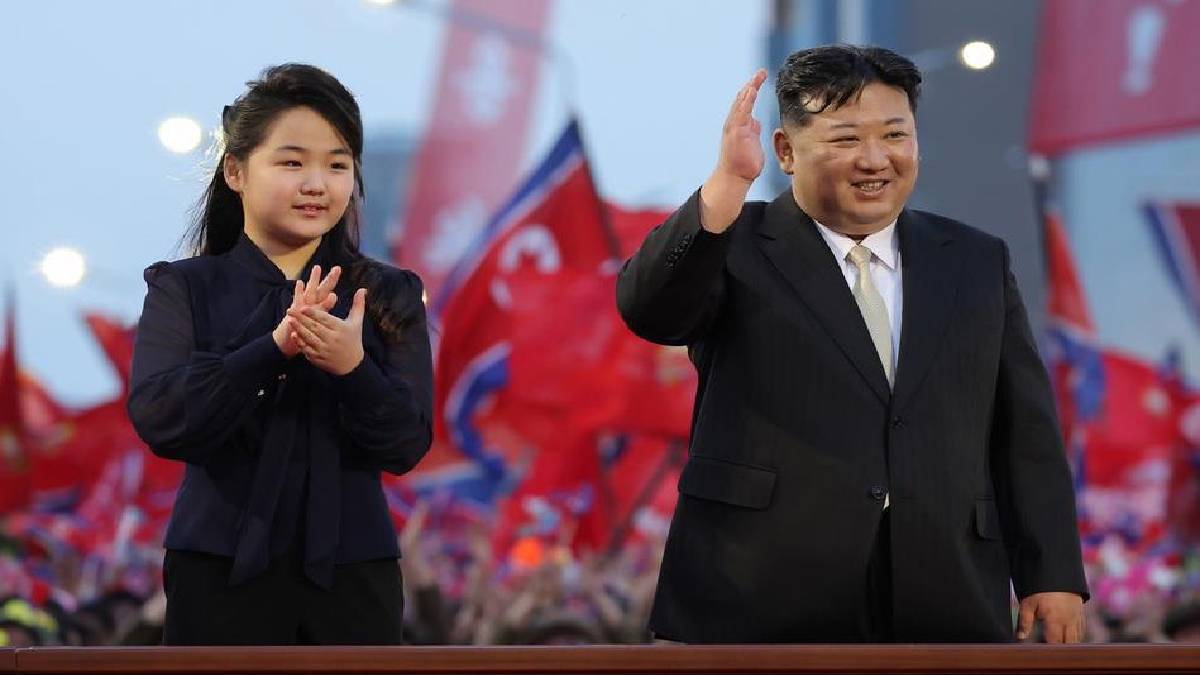
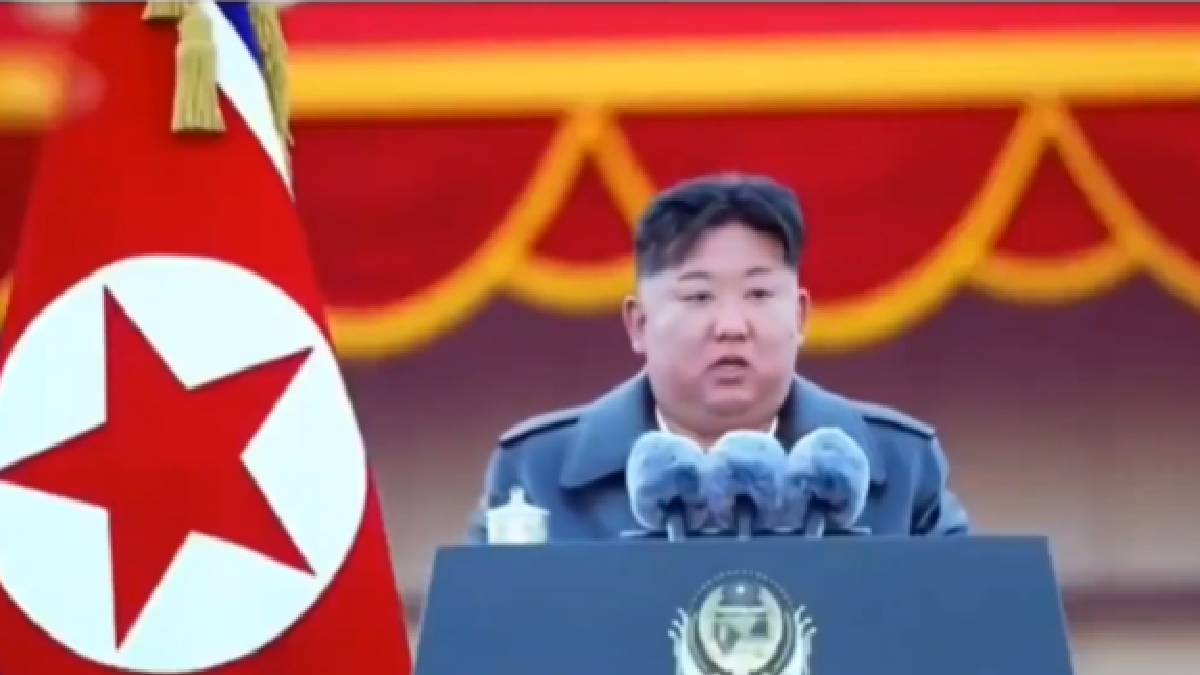
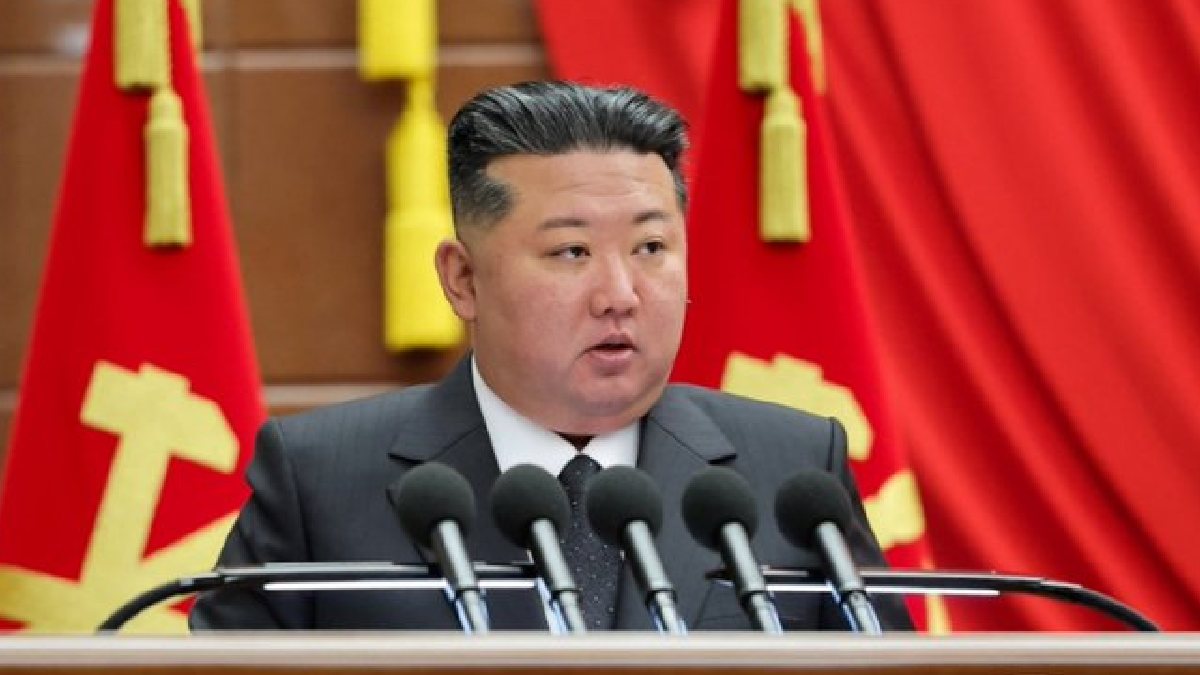
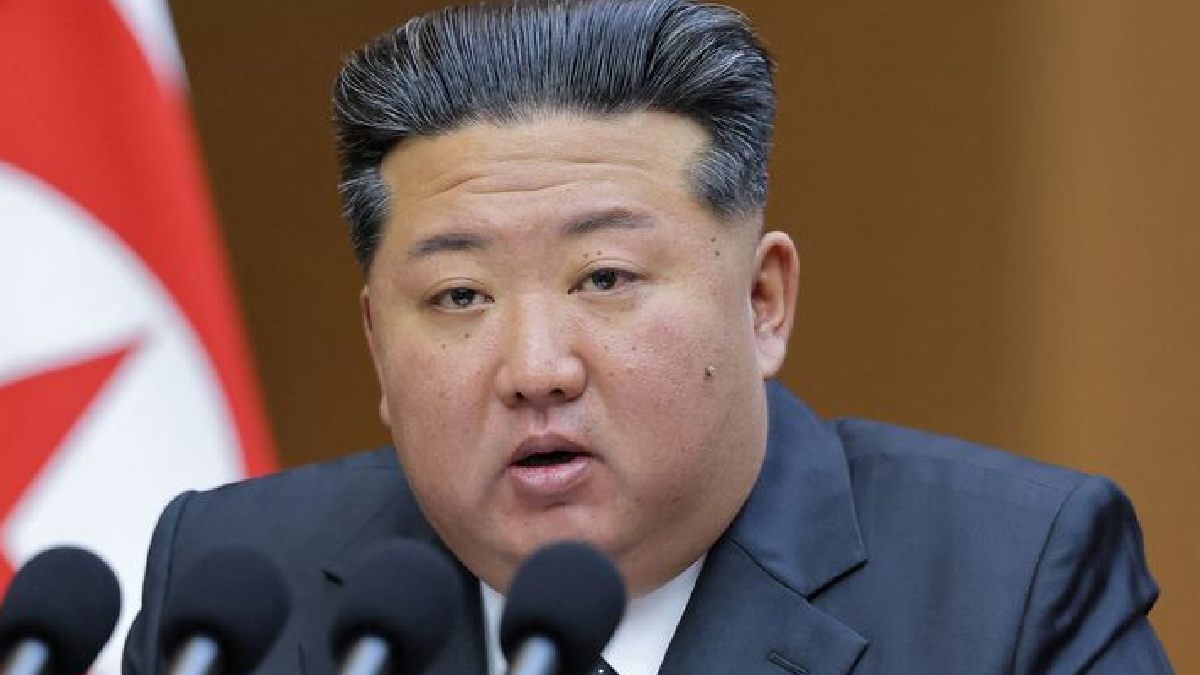
Results of the North Korean parliamentary elections. According to state media, leader Kim Jong Un and his ruling Workers’ Party won with 99.93% of the vote and a reported turnout of 99.99%. Although the numbers look huge, international observers characterise the election as a symbolic exercise rather than a real democratic process.
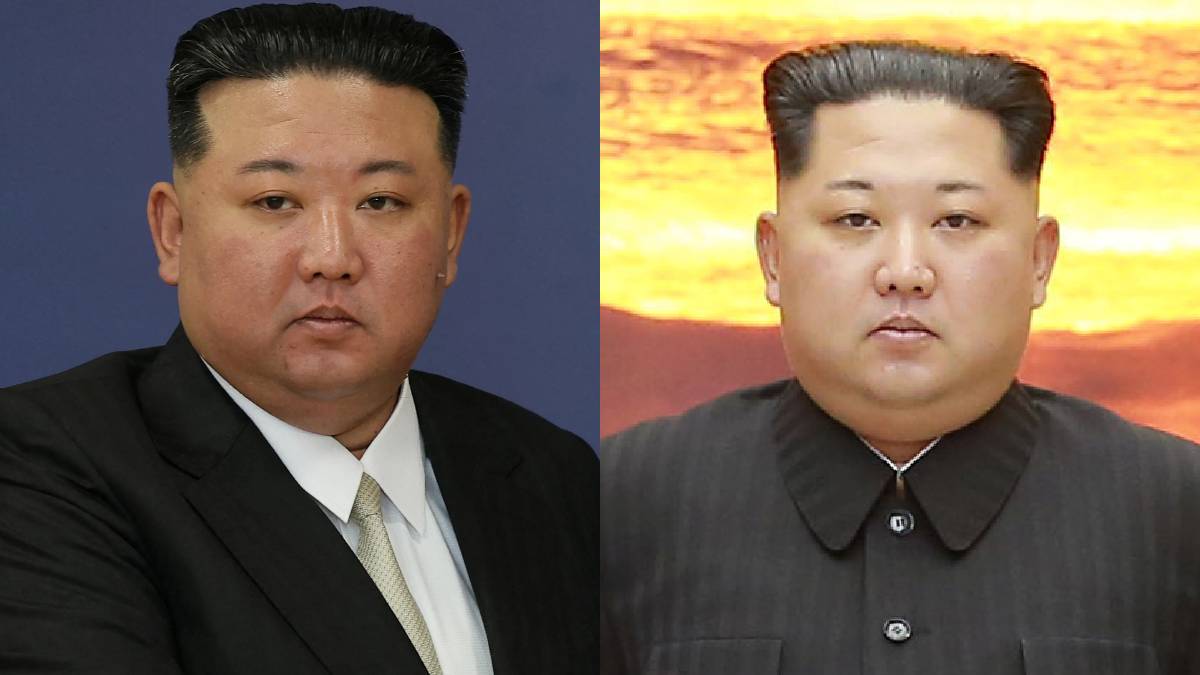
The elections were for North Korea’s 15th Supreme People’s Assembly, its parliament. Every district had only one candidate, all backed by the ruling party. Voters technically had the choice to vote “no,” but that is extremely rare and politically high risk. The official numbers indicate near‑total support with just 0.07% of ballots not in favor.
The 0.07 percent who opposed Kim’s candidates are not tracked down. Analysts, meanwhile, think these could represent spoiled ballots, abstain votes or symbolic dissent. These votes, in real life, are in effect irrelevant; the system is well under control and structured to show unity behind Kim Jong Un.
North Korea’s own elections are widely considered a rubber‑stamp process. But the parliament itself does not operate like legislatures in democratic countries. Instead, it becomes an apotheosis of decisions that already exist by Kim and the ruling elite. More than 70% of lawmakers were also supposed to be replaced, indicating a reordering of power in the regime, according to reports.
The vote has been described by world media and analysts as a “sham election.” The sheer statistic is seen as propaganda designed to project power and stability. At the same time, the announcement comes as North Korea heads towards economic hardship, sanctions and increasing isolation. Such events are used to reaffirm loyalty and show power.
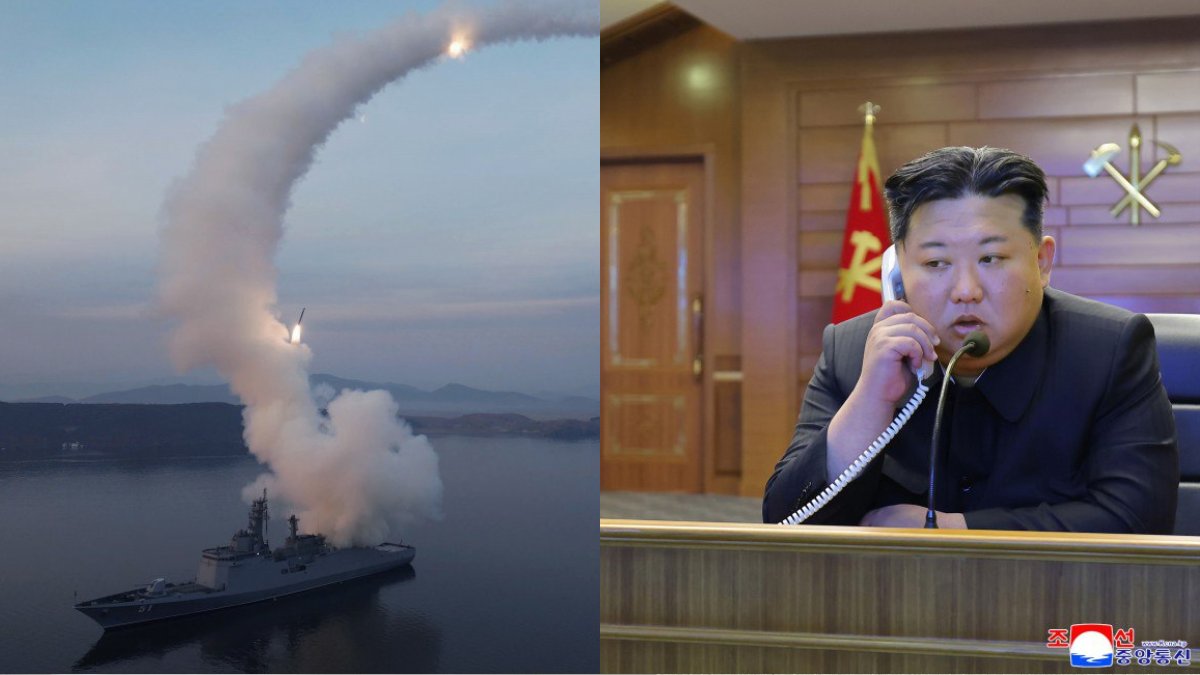
It will meet on March 22, 2026. That assembly will formally choose state leadership and address constitutional amendments. The sessions are typically ceremonial, with decisions already taken by Kim Jong Un's leadership.
Kim Jong Un’s reported victory with 99.93% of the vote underscores the absence of any authentic political competition in North Korea. While the statistics indicated near‑ideal levels of support, they are widely regarded as part of the regime’s propaganda strategy. On the outside, the result is yet another reminder of how tightly tamed a country’s political system is, and how elections can become more a spectacle of unity than of public choice.