Coffee is one of the most popular beverages in the world, but few varieties have a story as peculiar as kopi luwak.
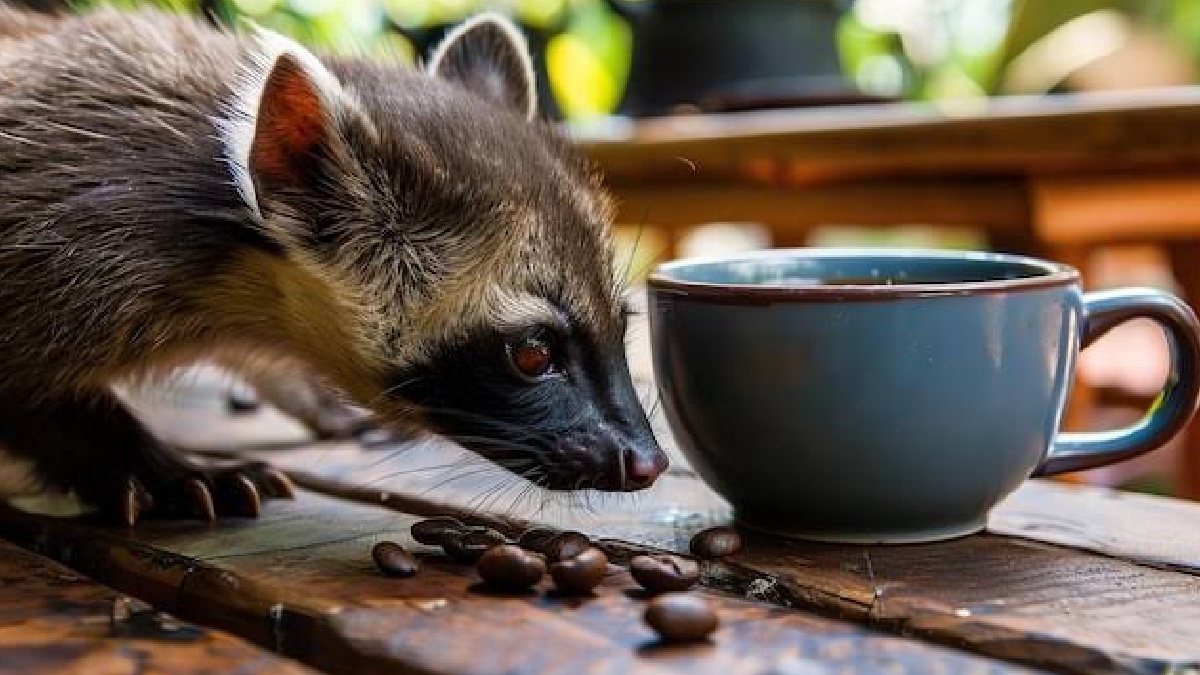
Now called one of the world’s most expensive coffees, kopi luwak is made from coffee cherries eaten and naturally passed through the digestive system of the Asian palm civet.
The process begins when the civet eats ripe coffee cherries. Unlike the soft fruit around them, coffee beans in the cherries are never fully digested. They pass through the animal’s digestive system and are ultimately deposited naturally.
Then they are collected, thoroughly cleaned, dried and roasted before they are brewed as coffee.
What makes kopi luwak so fascinating is what happens during digestion. Enzymes and other processes in the civet’s digestive system can alter some of the chemical characteristics of the coffee beans.

These changes have been associated with the distinctive flavor and aroma traditionally associated with kopi luwak.
In coffee lovers’ hearts, taste is not just one thing. But its unusual production process and few years of production have earned kopi luwak an almost legendary reputation. But because of its high price and unusual origin, it’s still one of the most controversial coffees in the world.
Did you know one of the world's most infamous coffees begins with an animal's digestive system?
— Life Science (@LifeScience_X) August 18, 2026
This is kopi luwak, a coffee made using coffee beans that have passed through the digestive system of the Asian palm civet. The civet eats ripe coffee cherries, but the beans inside… pic.twitter.com/OGMnjGePGS
The main concern with kopi luwak is animal welfare at the heart of it. In the wild, civets probably come across coffee cherries naturally but now commercial facilities have been set up to keep civets in captivity and only feed them coffee cherries. The kopi luwak industry is criticized for being opaque and sourcing is not ethical.
But consumers who want to try coffee may also want to know how it was produced and if the beans were sourced from ethical practices. Labels and marketing statements do not necessarily disclose enough information about the conditions in which civets were kept.
Kopi luwak is a great example of how a bizarre natural process can be converted to a luxury food product. From coffee cherry to cup, it’s not a coffee that resembles almost any other coffee.
For those coffee lovers, for some their very unusual story is actually very special. For others, the animal-welfare issues may make it a drink they’d rather skip.