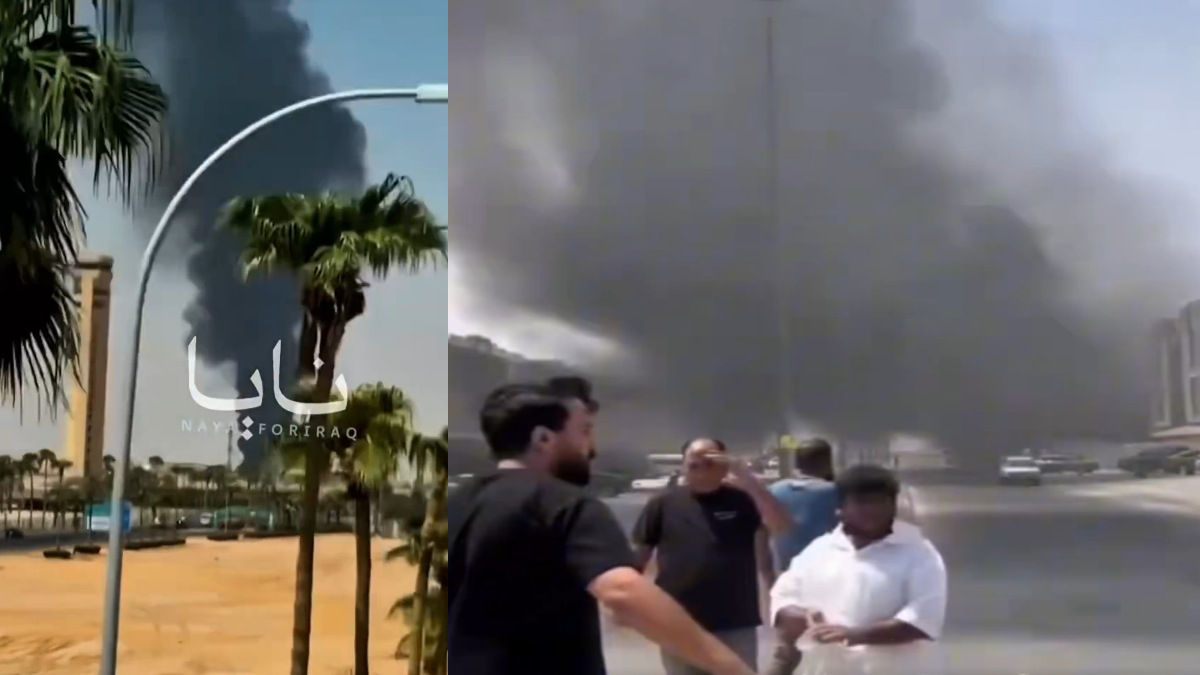
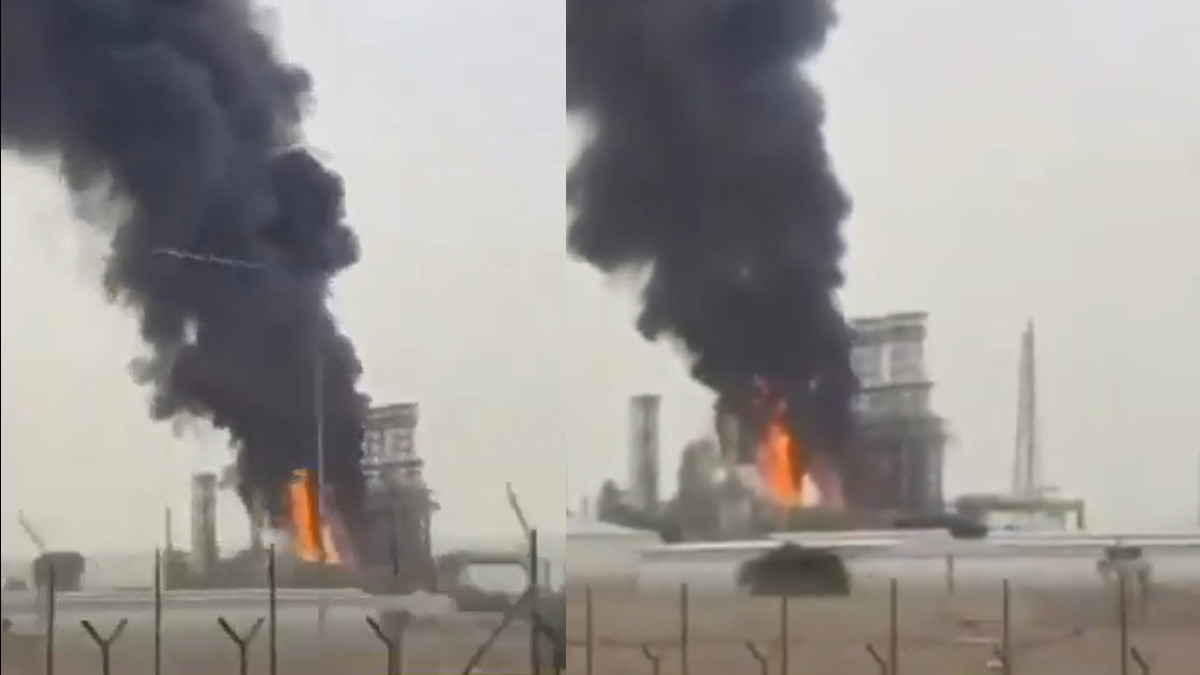
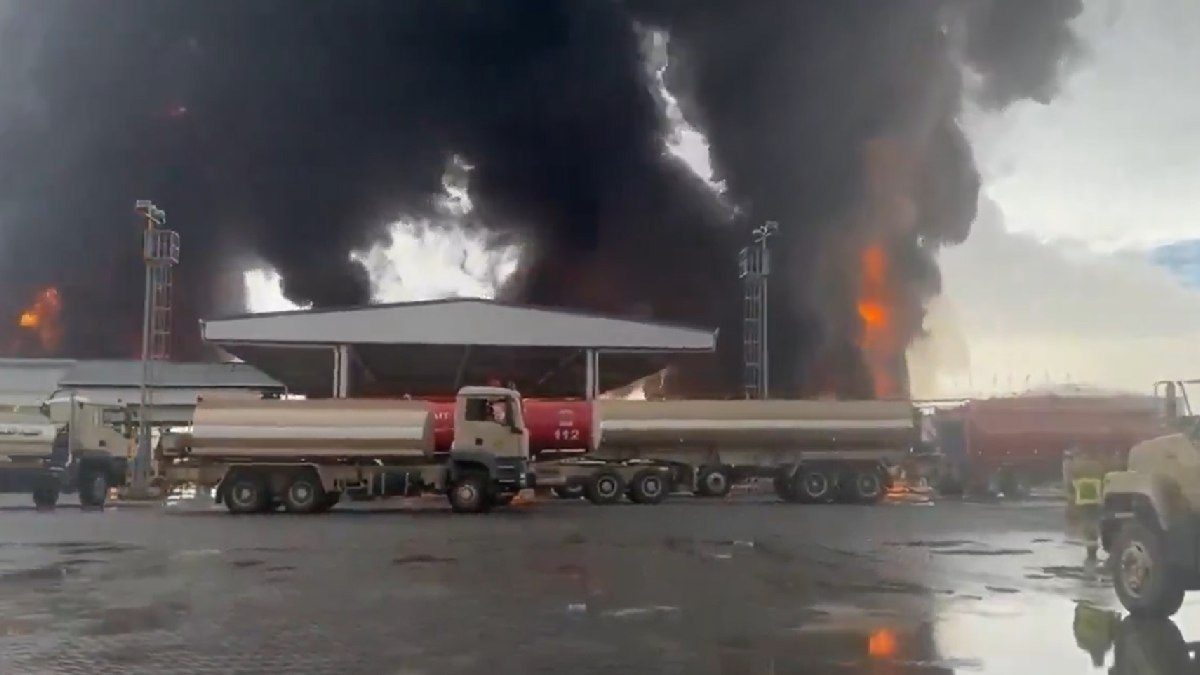
Another major maritime incident occurred early today when an Iranian drone struck the Kuwaiti oil tanker Al Salmi in the Persian Gulf for 13 hours off the coast of Dubai, according to the local media and television reports. It took place at 12:10 a.m.
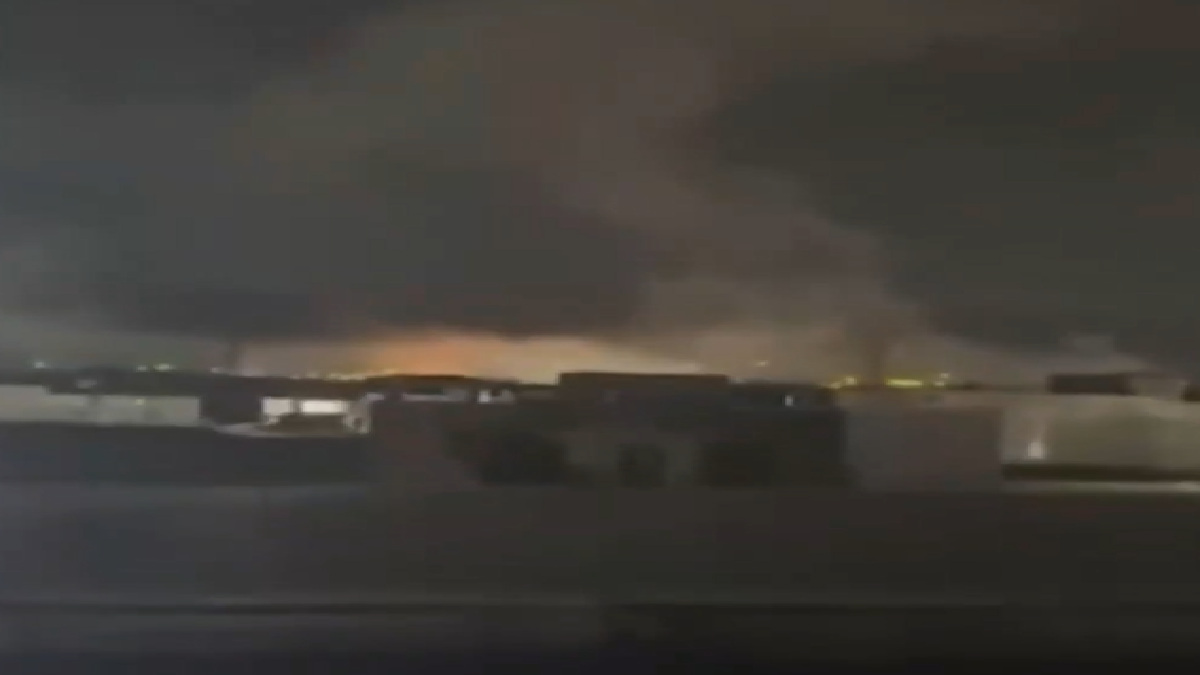
The vessel, a big VLCC (oil carrier) that was heavily loaded with crude oil, was struck and to be quite immediate and adverse in the sense of safety and environment as well. Such a collision also caused the tanker’s hull to be heavily damaged and fire and the oil spills were thought to be rampant in nearby waters.
According to the coast patrol, since the fire is not serious, all 24 crew members at Al Salmi are safe with no damage reported. Rapid Response teams were quickly deployed and Dubai officials were on site with quick response capabilities to respond to the situation and a potential disaster as soon as possible, said spokesperson Robert Ellingham at Dubai Media Office.
Authorities in Dubai continue to respond to the fire affecting a Kuwaiti oil tanker. Further updates will be shared as they become available.
— Dubai Media Office (@DXBMediaOffice) March 31, 2026
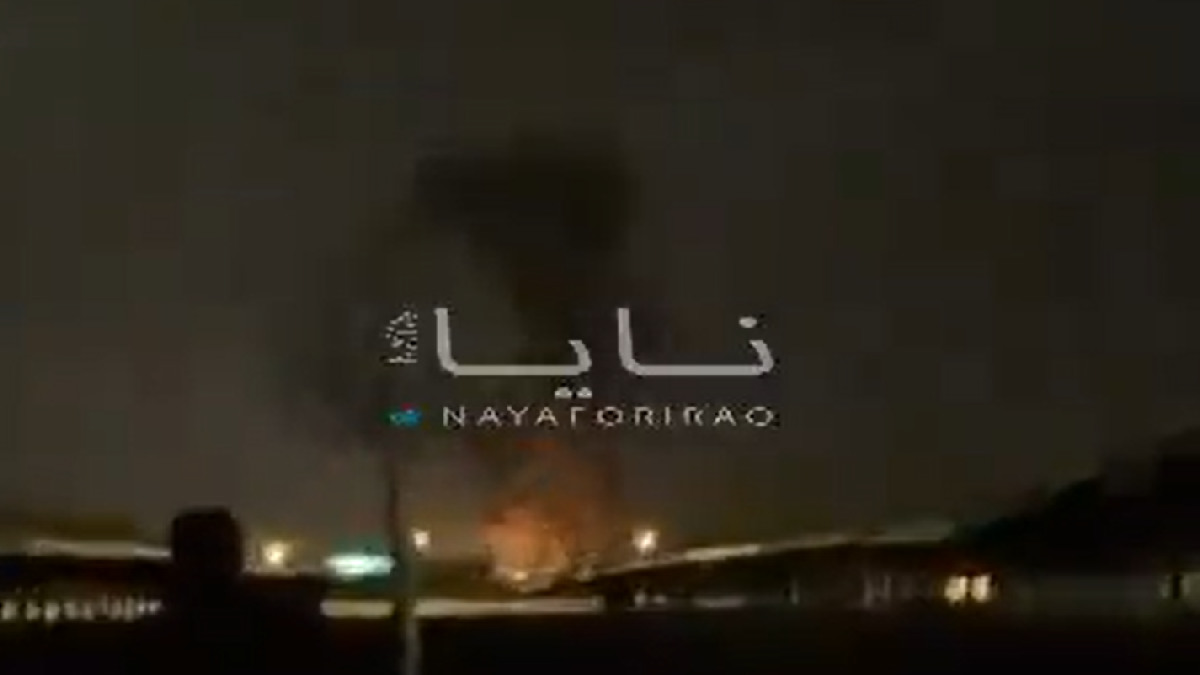
Emergency and firefighting units were immediately launched on board and worked closely with the authorities to contain and stabilize the vessel together with the fire department. The immediate threat has dissipated and teams are around to monitor as well as avoid another disaster from appearing now.
KPC has confirmed that a full technical assessment is currently in progress to investigate the structural damage of the vessel. In addition, the threat of oil spills to the environment has been factored into the work of all organisations and that there are very great environmental issues.
According to Maritime Optima, the Al Salmi is a VLCC tanker which was constructed in 2011 and operates under the Kuwaiti flag. It is an exceptionally long, wide ship of about 333 meters long and 60 meters wide, carrying 319,660 tons of cargo.
Elements of tension between nations and the peril to shipping routes in the Gulf are mounting rapidly. “It does not help that there are more data to be collected in many details over time with follow-ups,” he said.