Shanghai suffered a terrifying and dramatic crisis: a sinkhole burst open suddenly in the city’s Minhang District, engulfing a large section of a busy road and damaging local buildings. The collapse, recorded on security cameras, caught the ground cracking and collapsing on TV and radio images. But at first sight, emergency forces raced to the scene, and evacuations have continued for several hours to keep the public safe.
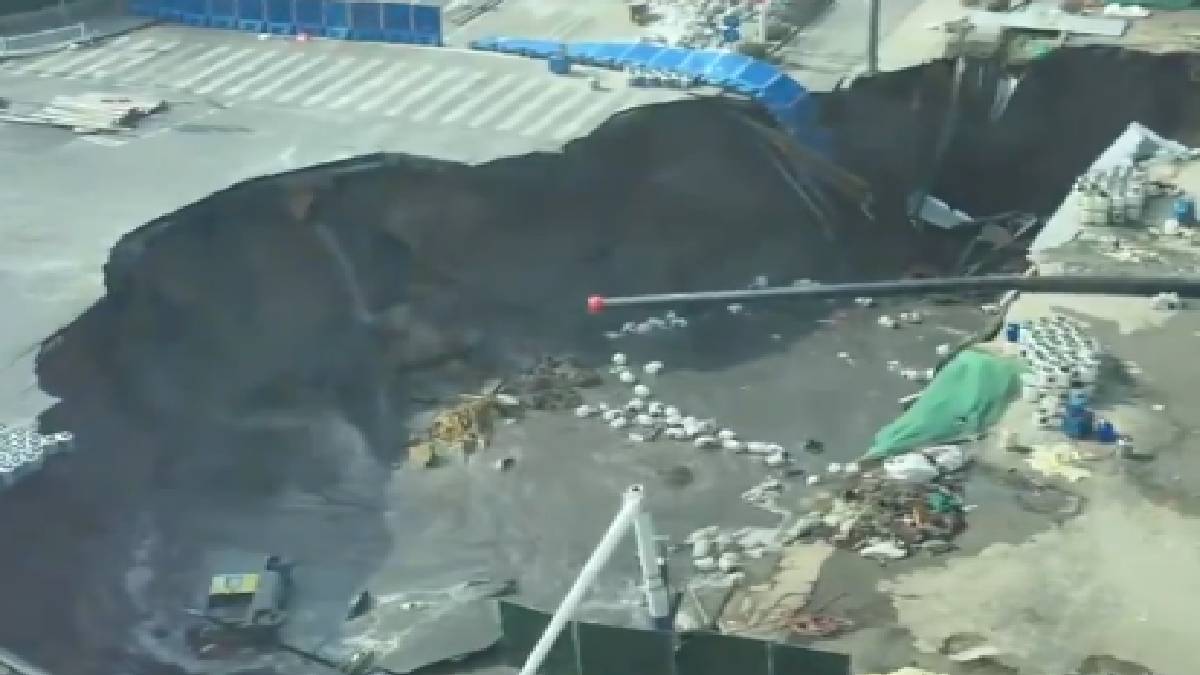
The sinkhole appeared on February 11, 2026, at the intersection of Li’an Road with Qixin Road, in the busy zone of construction for the Jiamin Metro Line. CCTV video showed fissures forming along the tarmac before the roadside collapsed, swallowing pavement and lampposts, and portions of sidewalks. In just seconds, vehicles narrowly avoided disaster as the ground buckled.
It was eventually confirmed the collapse occurred after a water leak was detected during metro excavation work. The incident created widespread panic among residents and commuters, but fortunately no casualties were reported.
Shanghai has long had land subsidence threats owing to the soft alluvial soil. The likelihood of collapses is considerably increased by factors like extreme groundwater extraction, underground voids from construction and aging infrastructure, experts said. This was a sensitive area because of the combination of soil and human action.
Emergency crews moved quickly to cordon off the site, build barriers and start evacuating nearby residents. Engineers are checking the stability of nearby structures and looking for other ground movement. Road closures have been imposed and metro construction has been stopped until safety checks are finished.

The shocking footage has gone viral, igniting conversations about urban safety and the resilience of infrastructure in rapidly expanding cities. Residents said they were worried the construction companies weren’t watching closely enough to avoid disasters like this. The disaster has reinvigorated demands for tougher safety practices, more planning in dense urban regions.
The Shanghai sinkhole highlights the kind of problems a city has trying to work out for themselves in trying to keep up pace with rapid development while maintaining safety. No one died, but the collapse underscores the need for increased surveillance, more robust building practices and preparedness. For its residents, the ordeal has treated a routine day in Shanghai as a cold lesson in how cities can succumb to structural collapse, even when they have done everything.