Flores, Indonesia: Mount Lewotobi Laki-Laki in Indonesia’s East Nusa Tenggara province erupted twice within a short period and volcanic material was thrown into the atmosphere and authorities issued safety alerts for communities living near the volcano. The latest activity occurred on August 27 and 28, 2026, adding to residents’ fears after a series of eruptions earlier this year.
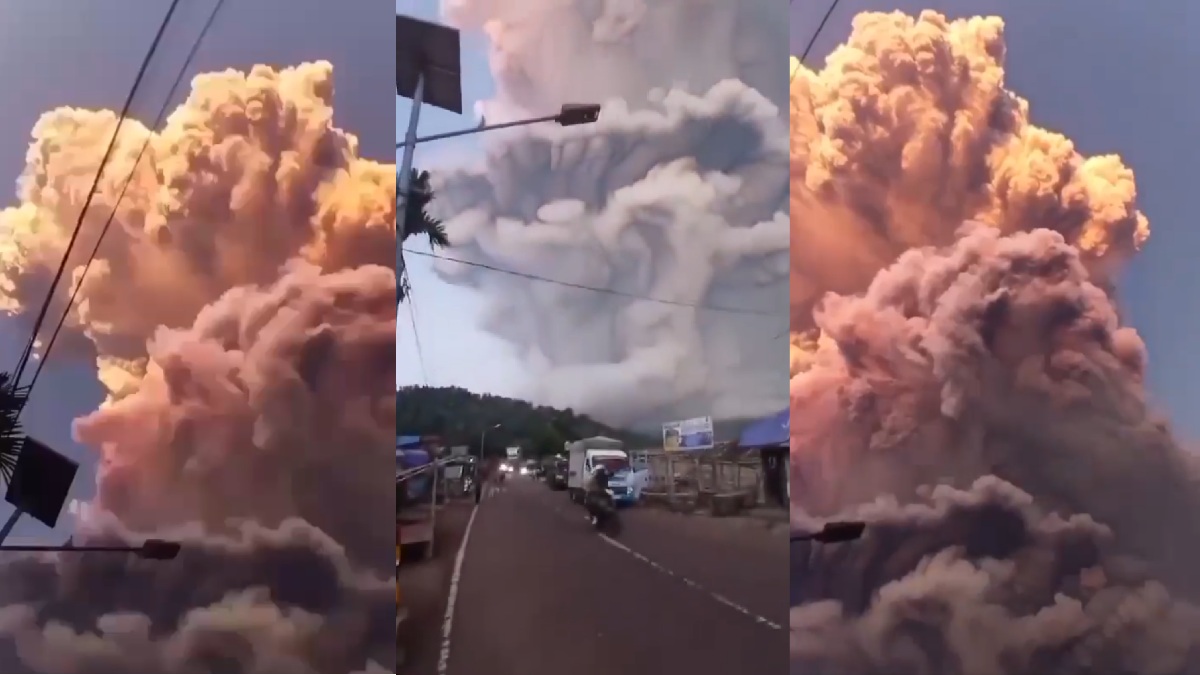
The volcano started erupting on August 27 and produced a massive burst with a loud boom. The eruption lasted for about 2 minutes and attracted community attention from the areas around it. Volcanic material was seen rising above the summit and ash was carried away by prevailing wind currents toward the southwest and west.
The second eruption occurred the following morning and was actually smaller. According to Indonesia's volcanology authorities, the eruption produced a volcanic ash plume about 1 km above the summit. Although the second event was less severe, authorities were monitoring the volcano closely due to changes in volcanic activity that can occur quickly.
The volcano remains at Level III at the volcanology centre in Indonesia and it is for safety reasons that communities should continue to follow the official advice. At the volcano, authorities have kept a 5 km exclusion zone in place. Residents and visitors are warned not to enter the restricted area for further volcanic activity, falling volcanic material and other hazards associated with an active volcano.
Officials also warned people in areas affected by volcanic ash to be careful and to wear protective masks when necessary. Volcanic ash can cause irritation in the eyes and respiratory system and long-term exposure can lead to additional health concerns, and so residents should be warned to be protected, especially when ash is prevalent in the surrounding environment.
Another concern is lahars or volcanic mudflows in the event of heavy rainfall. Lahars can travel quickly through valleys and river channels and carry ash, rocks and other volcanic debris far away and over a considerable distance. So people living near rivers and drainage channels around the volcano have been advised to be on the alert during times of torrential rain.
The recent eruptions have once again highlighted the unpredictable nature of volcanic activity in Indonesia. It is located around the Pacific Ring of Fire and has more than 100 volcanoes. Regular monitoring is needed to ensure seismic activity, volcanic emissions and eruption patterns are observed to detect risks to nearby communities.
There are no major casualties from the recent eruptions, based on what we know so far. Residents in the area are still wary because it’s already been erupting in 2026, but the eruption in the area has been filmed in great detail as the volcano erupted and the volcanic material was thrown out of the mountain, underscoring the danger to the people living there.
Gunung Lewotobi infonya meletus lagi pic.twitter.com/7S97nAMQ4e
— BapakBahagia (@sinyonamaqu) August 27, 2026
The authorities will continue monitoring Mount Lewotobi Laki-Laki and assess its activity as it is likely to become more or less active. Residents need to be guided by official information rather than speculation on the internet. The Level III alert means that precautionary measures are still necessary even if very small eruptions occur.
The latest activity in the Flores region is another reminder that living near an active volcano requires constant preparedness. The August 27 eruption was brief and the following morning’s incident was smaller, but volcanic conditions can change quickly and with little warning. As monitoring operations are ongoing, officials have encouraged strict adherence to the exclusion zone and other safety measures.
We are monitoring the situation, with volcanic ash direction, seismic activity and rainfall-related hazards among the factors to be watched. Residents outside the zone are advised to stay informed and have protective measures in place for the event of increased volcanic activity.