After one large aviation accident involving the Iranian Air Force, Iran’s central province was left with a melancholy atmosphere. Today during a training mission, a military helicopter crashed; all four crew members aboard were killed. Isfahan is known as the epicenter of Iran’s nuclear program, hosting the heavily fortified Natanz uranium enrichment plant and many other key defence installations.
Details of the Incident
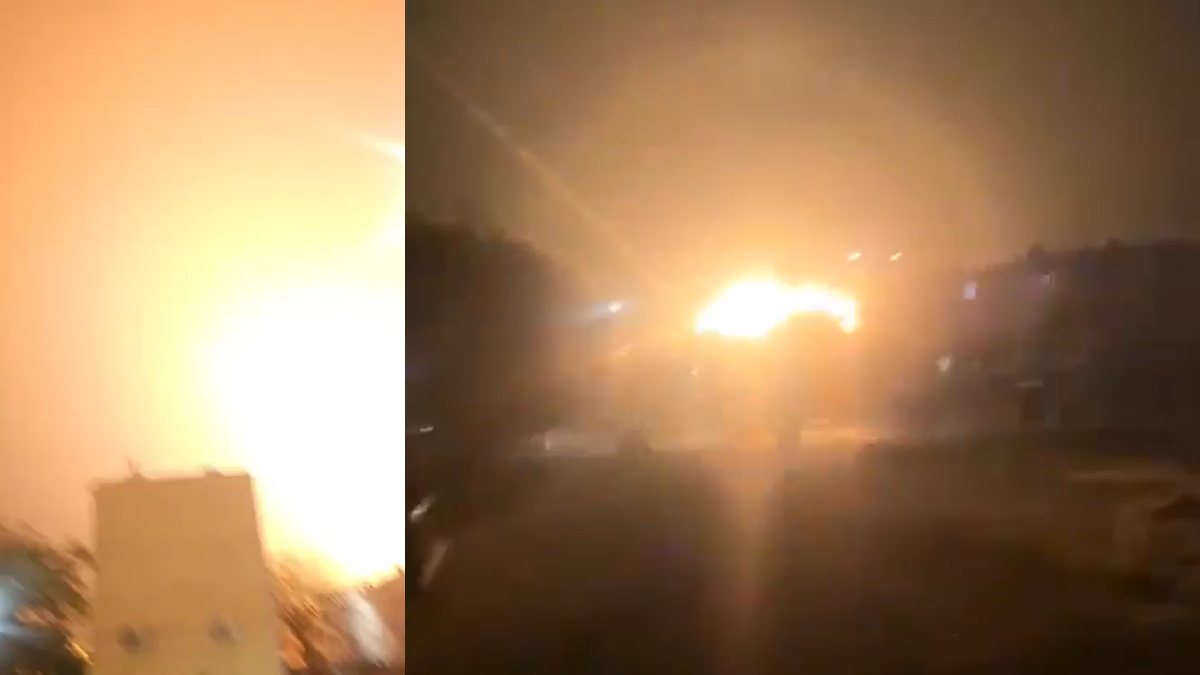
According to media reports conducted by both the state and military spokesperson, the helicopter was performing a routine training exercise when it faced "technical difficulties" soon after its takeoff. Outside the city, local witnesses described smoke streaming from the plane before it plummeted into a mountainous area.
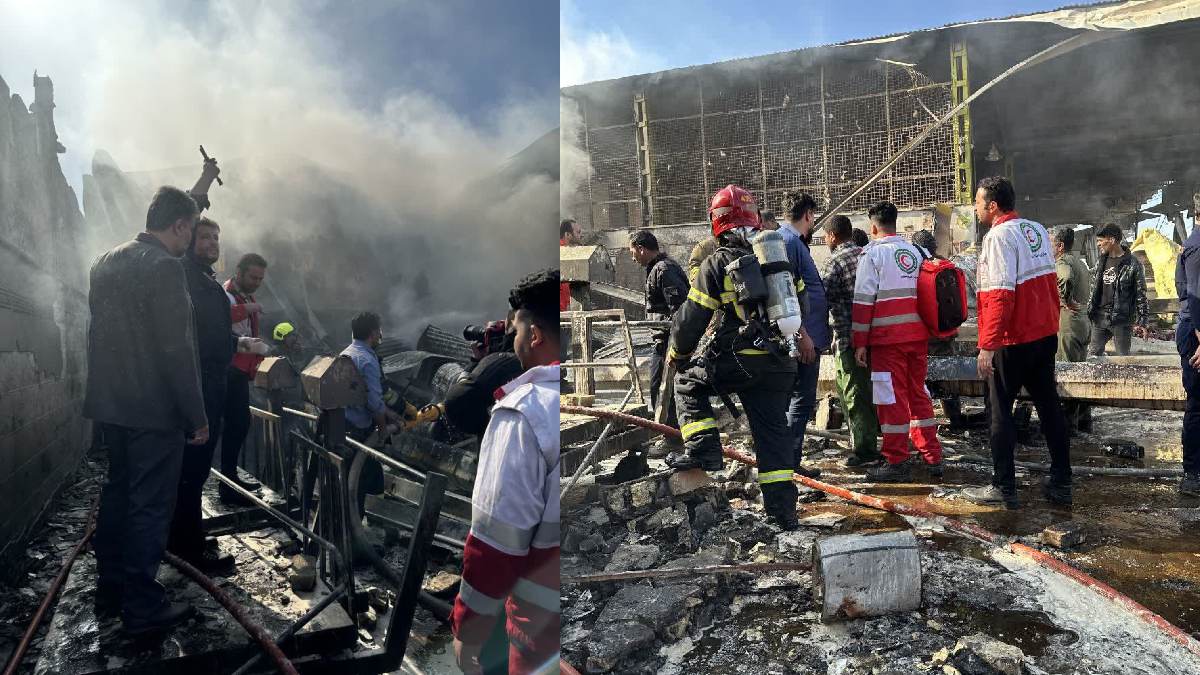
Emergency responders such as the Red Crescent, alongside units assigned by the military SAR, came running to the crash scene. But the nature of the crash and the fire that followed did not allow anyone to survive. The identities of the four personnel among them two pilots and two flight engineers have not yet been formally disclosed pending notification of their relatives.
Isfahan - Strategic Sensitivity
The crash took place in a province that reflects the nation’s politics and is a hotbed for its internal conflicts, the center of Iran’s power plays with the West. There are: The Natanz enrichment site, which is 90 kilometers north of the city of Isfahan is there.
- Air Bases: Iran maintains an 8th Shekari Air Base on this territory; it houses the nation's fleet of aging F-14 Tomcats and other aircraft.
- Defense Manufacturing: Many of the missile sites and research facilities are in this area. Military officials were swift to explain that the crash was a mechanical fault and was completely unrelated to the sensitive nuclear or defense infrastructure in the vicinity.
There were no reports of damage to any ground installations or civilian property.

Safety Concerns and Aging Fleet
The disaster has also renewed debate over the safety and maintenance of Iran’s military aviation fleet. Because of decades of international sanctions, Iran has been unable to buy up-to-date aircraft or actual spare parts for its Western-made helicopters and jets, many of which date back to before the 1979 Revolution.
Though Iran has achieved great advances in its indigenous reverse engineering and making domestically assembled aviation components, the problem of "technical failures" in its aging fleet still plagues the Armed Forces. Investigation Underway. There has been a high-level, Iranian Air Force commission commissioned to pinpoint the precise reason for the malfunction.
Investigators will analyze the flight logs and the wreckage to see if the crash was caused by engine failure, a pilot error or weather conditions in the rugged terrain of Isfahan. So the Iranian government has declared a mourning period for the "martyrs of the air force" that died in the course of their work.