Nepal has officially confirmed that there is no ban on Indian mango imports, which is contrary to the prevalent misinformation spreading on social media. India’s agriculture ministry and Nepal’s quarantine center both issued statements on June 10 that trade is going on well and shipments are on the right track.
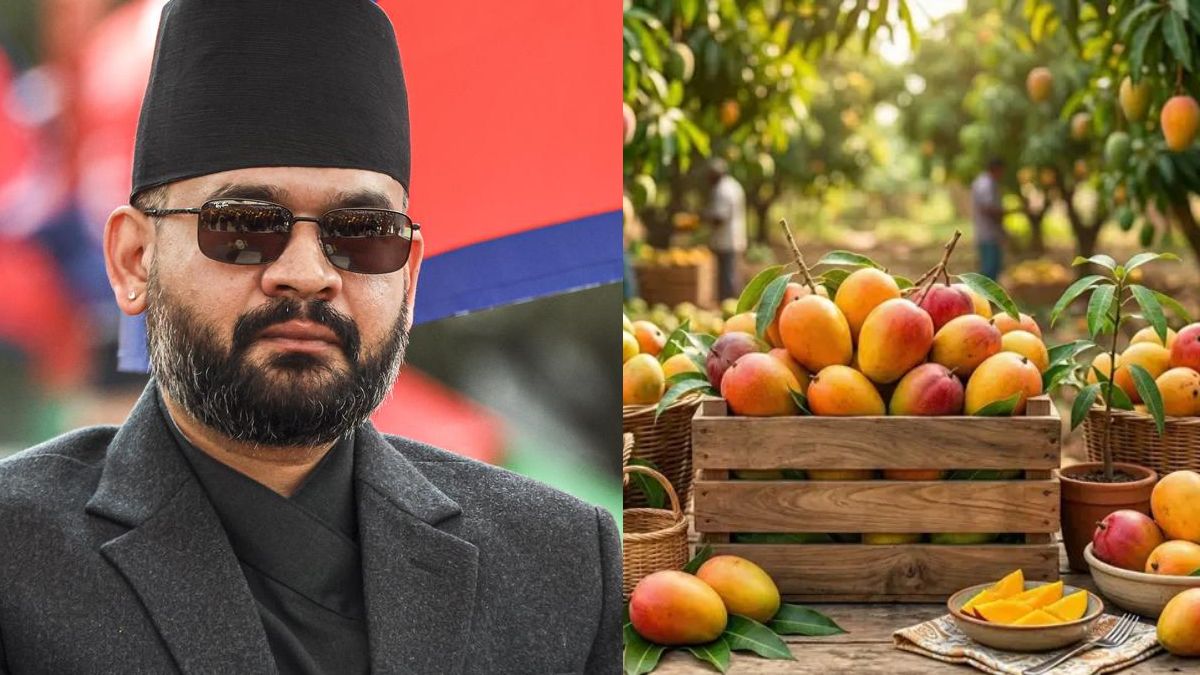
According to official data, Nepal has imported 2,005 metric tons of Indian mangoes since January 2023, with 266 tons in June alone. Consignments are accepted as long as they meet phytosanitary standards such as hot water treatment and certification, Nepalese officials said. This reassurance comes after speculation that Nepal had imposed restrictions, which officials said “was factually incorrect.”
But since April, tighter border checks have led to the rejection of some consignments. These rejections were due to excessive pesticide residues or missing documentation, not to a general ban. Still, Nepalese mango production is not enough to satisfy consumer demand, and traders say compliance is becoming more and more difficult to meet. So Indian mangoes are still crucial to the market and importers are hopeful of maintaining supply during the peak season.
That was great news for mango-growing farmers in Uttar Pradesh and other mango‑producing regions of India who had been worried about disruption. Farmers will now be able to expect stable demand from Nepal, where India has long been a major source of mangoes.
But India’s mango exports are also facing challenges abroad. Japan has suspended import of Indian mangoes for 2026 because of quality problems. This only serves as a reminder that quality must be maintained to be able to keep India’s image in the international markets. Exporters are now asking the government to improve the monitoring and certification process for them so that similar problems won’t happen in other countries.

Nepal’s acknowledgment that Indian mango imports are unaffected is relief to farmers and traders and will maintain access to a vital product and hence to a crucial market. Though tougher border checks and greater compliance would be required and so on in case of imports from India are cut off, the absence of a ban is evidence of India‑Nepal agricultural trade on the up and up.
Japan’s suspension is also a reminder of the difficulty that Indian exporters face in complying with international standards and the need to be on guard in global trade and keeping the peace.