The early trend of the new 2026 Nepal general election is already in favour of RSP (Rastriya Swatantra Party) leader Balendra “Balen” Shah and former Prime Minister K. P. Sharma Oli looks to be lagging behind him in the crucial constituencies. Vote counting started Friday, after Nepal cast its vote on March 5 to seat members of the 275-seat House of Representatives in the country’s first national election since the political turmoil and youth led protests that toppled Oli’s coalition government last year.

RSP Ahead of the Curve on Initial Counting
The initial picture is that the Rastriya Swatantra party takes the lead in many constituencies across the nation. Sources claimed by the party said the RSP had already clinched a handful of seats and in dozens more of the dozens of counting states leading the way, indicating increasing public backing for the political entity.
Founded just a few years back and popular with the youth in the region for a commitment to anti-corruption and policy overhaul, the party is one of several to which younger voters who are looking for reform and political transformation are looking for.
Balendra Shah Leads in High-profile Contest
A battle closely watched in the elections and contested by candidates like Balendra Shah and Jhapa-5 former premier K. P. Sharma Oli. On early count, Shah holds the best lead in the count at more than 1,800 votes, Oli has received about 400 votes in the early count. The race has attracted national attention as it is a political battle between Nepal’s age-old leadership and a younger youth driven by reform coming into national politics.
Election for the First Time Since Political Upheaval
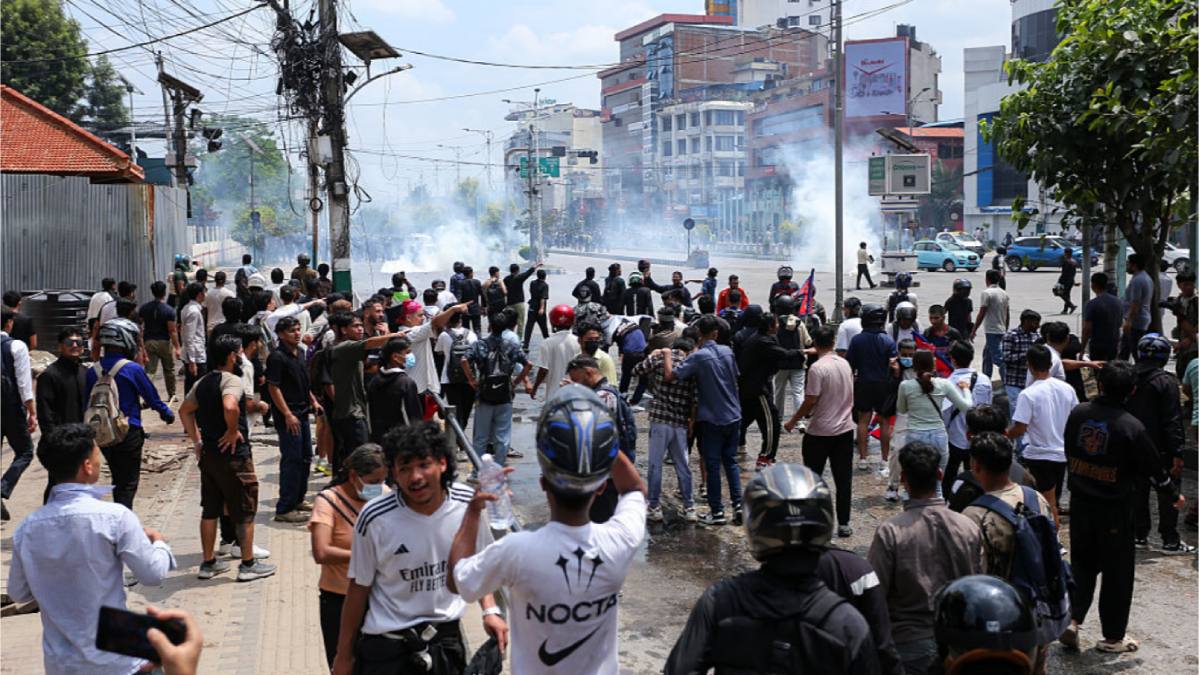
Protests led by young activists in 2025 triggered the election in 2026 and led to the collapse of the government of Oli. Later, an interim administration emerged to stabilize the country and conduct new polls. The election, which is likely to be instrumental in redefining Nepal’s political landscape, would have an estimated 19 million voters eligible to vote.

How Nepal’s Parliament Is Elected
Nepal’s House of Representatives is composed of 275 members, all members elected through a mixed election system:
- 165 seats from direct constituency elections (First-Past-the-Post).
- 110 seats via proportional representation from national party lists. Under the proportional system a party requires a national vote of 3 percent to win elected seats.
What Trends Early Indicate
These trends indicate that the RSP’s start in a period of heavy early electoral ground up could be a departure from the existing political order one which challenges established parties. Among these are the UML (Communist Party of Nepal) and the Nepali Congress.
Election authorities have warned the current data is provisional, and the result will be quite evident when counting votes in all constituencies. Given the current patterns, however, Balendra Shah and his party might become a major political force in Nepal’s parliament and perhaps even shape the next government.