In response to a worsening fuel crisis, the government of Nepal has announced a two-day weekend for schools and government offices. The move comes as the country struggles with severe petroleum shortages caused by the ongoing conflict involving Iran and its global impact on energy supplies.
The decision was taken during an emergency cabinet meeting, where authorities agreed to extend the weekly holiday to both Saturday and Sunday. Previously, Nepal followed a six-day working week with Saturday as the only weekly holiday. The new system effectively reduces the working week to five days, with offices operating from Monday to Friday.
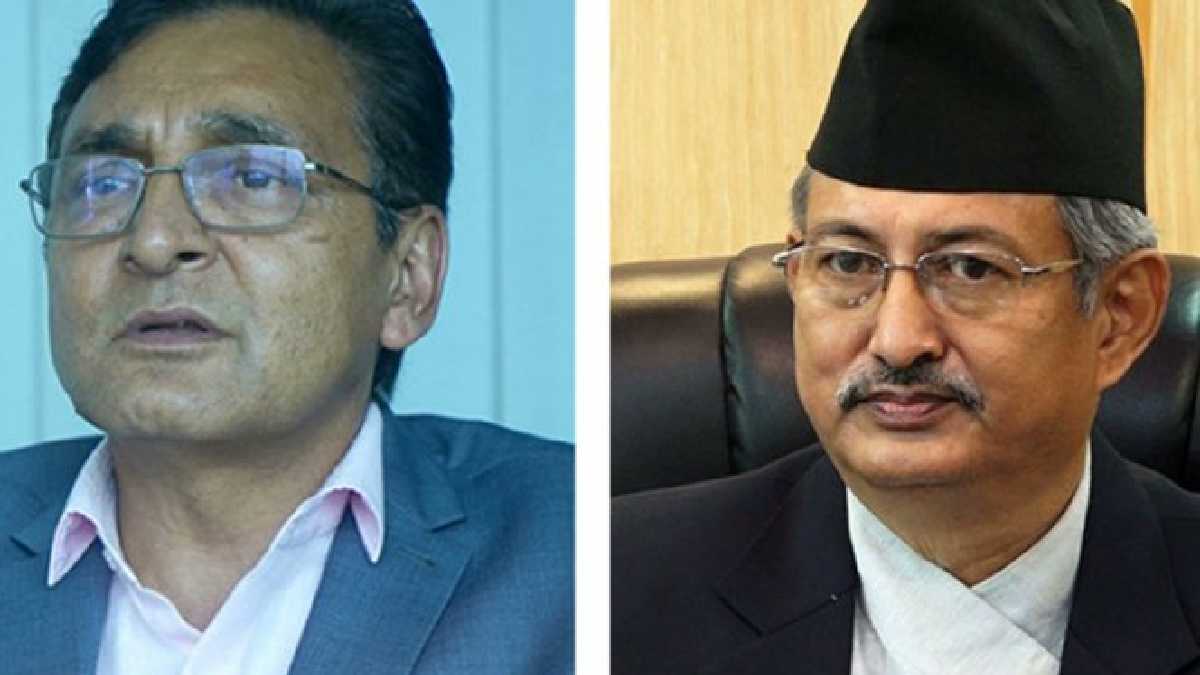
Government spokesperson Sasmit Pokharel stated that the measure was introduced due to the “uncomfortable situation” created by disruptions in fuel supply. Educational institutions and public offices will remain closed for two days each week, while essential services will continue without interruption.
Nepal’s fuel crisis is closely linked to global developments. The ongoing war involving Iran has disrupted international oil supply chains, particularly affecting shipments through key routes like the Strait of Hormuz. As a landlocked nation that relies almost entirely on imported fuel primarily from India Nepal is highly vulnerable to such global shocks.
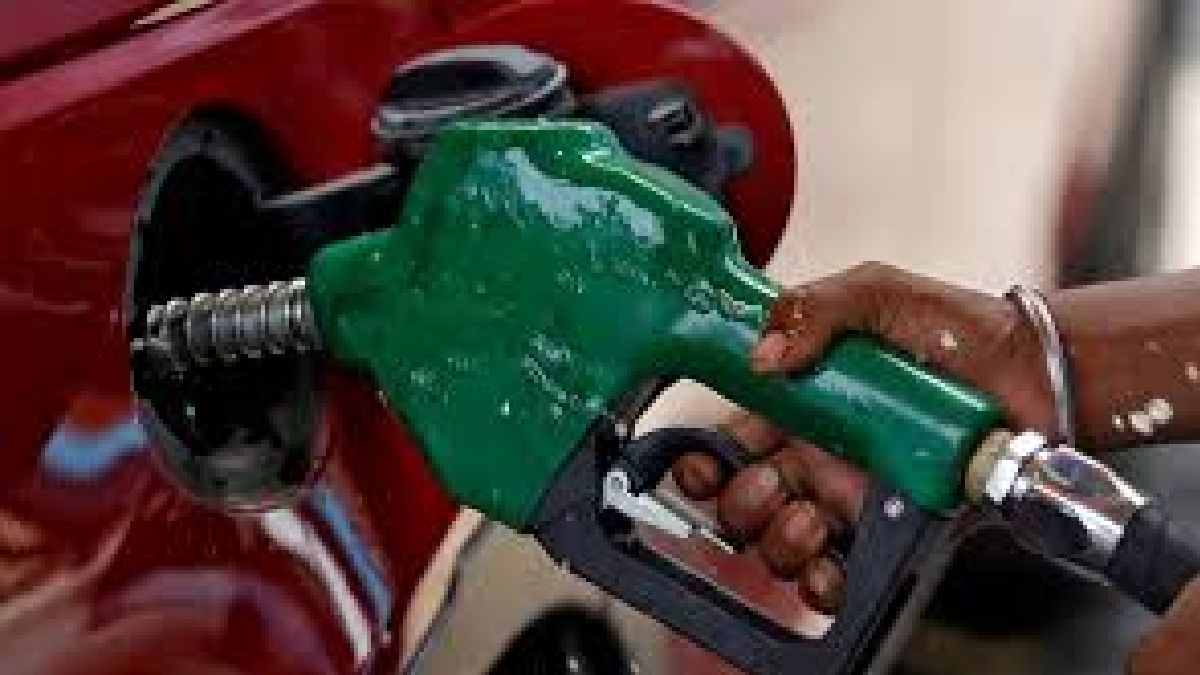
The impact has already been felt across the country, with petrol prices rising sharply to around NPR 202 per litre. The government has also taken additional steps such as increasing aviation fuel prices and rationing cooking gas supplies to manage demand.
By introducing a two-day weekend, authorities aim to reduce fuel consumption, particularly from daily commuting and administrative operations. Officials believe that limiting movement and operational days will ease pressure on limited fuel reserves and help stabilize the situation in the short term.
The crisis has also raised concerns about Nepal’s broader economy, especially its tourism sector, which heavily depends on affordable transportation. Rising fuel costs have already led to increased airfares and higher travel expenses, potentially affecting tourist inflow.
In addition to immediate measures, the government is exploring long-term solutions, including promoting electric vehicles and reducing dependence on fossil fuels. Legal frameworks are being considered to support the transition from petrol and diesel-powered vehicles to electric alternatives.
Nepal’s decision highlights the far-reaching consequences of global conflicts, showing how geopolitical tensions can directly impact everyday life in smaller, import-dependent nations. As the Iran-related crisis continues to disrupt energy markets, more countries may adopt similar measures to cope with the growing fuel shortage.