The world is heading toward a temporary overshoot of the 1.5°C global warming threshold set by the Paris Agreement, the United Nations predicts, as global temperatures continue to rise and countries fail to meet the agreement’s most ambitious climate targets.
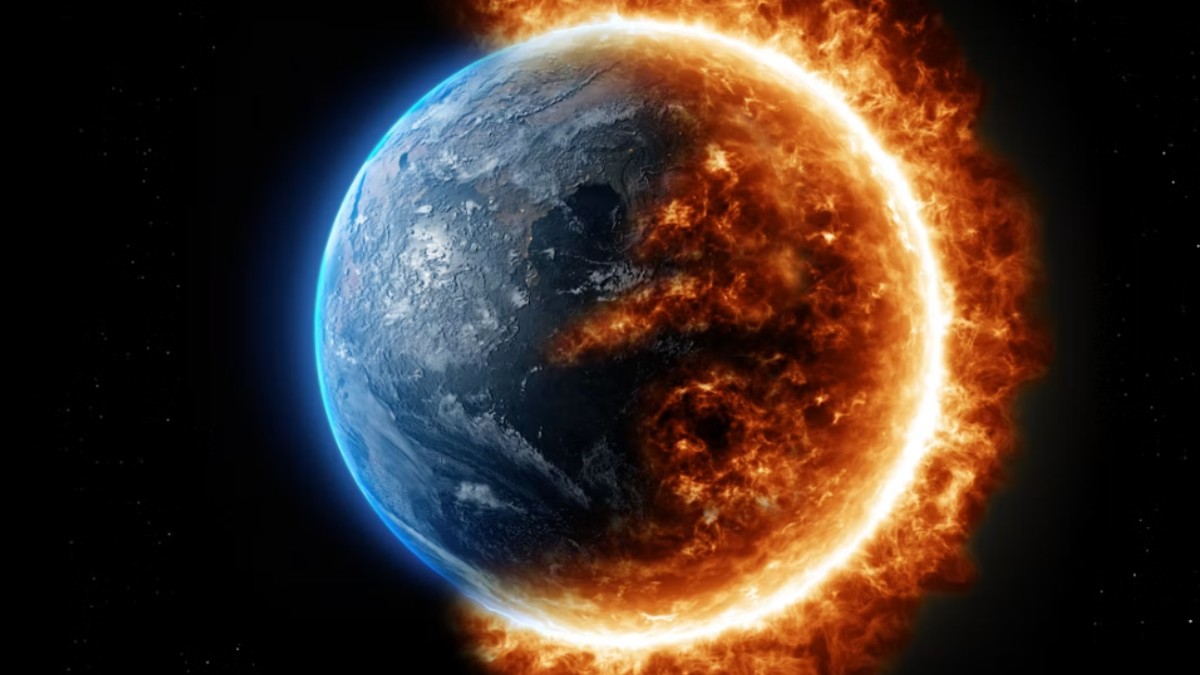
Since then, the UN has said the world is on the verge of a period where temperatures will rise well beyond 1.5°C unless greenhouse gas emissions drop rapidly. The UN Secretary-General António Guterres has described the climate crisis as an immediate threat, and the UN is still calling for a rapid response to reduce reliance on fossil fuels.
The development does not mean that efforts to combat warming are pointless. But keeping global temperature increases within the 1.5°C threshold is becoming more and more difficult.
What the 1.5°C Target Means
The 1.5°C figure is from the Paris Agreement, the international climate agreement that was adopted in 2015. Countries agreed to keep global average temperature to 1.5°C above pre-industrial levels and well below 2°C.
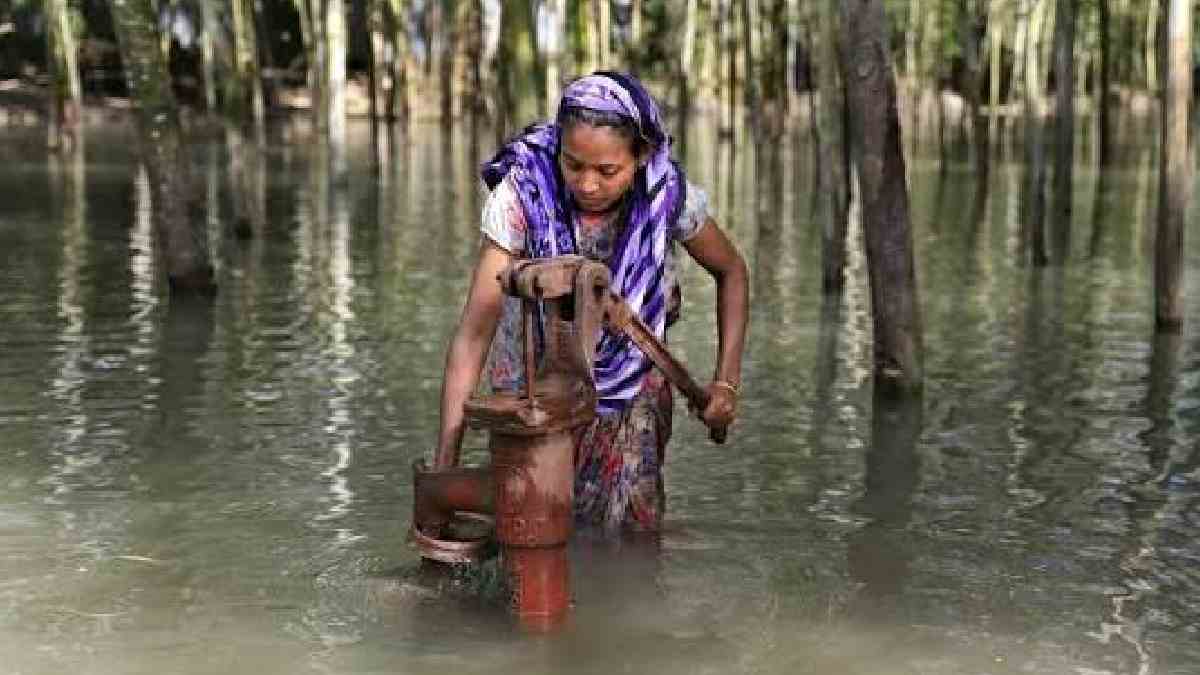
The 1.5°C goal is important because every additional fraction of warming can increase risks associated with climate change. That can be more intense heat, changes in rainfall patterns, rising sea levels and so on.
The threshold should not be at that moment in time when the planet suddenly becomes dangerous. It is rather a measure of global warming and the dangers on the planet.
Why is the world heading towards an overshoot?
Environmental and climate change is a major cause of global warming in general. Greenhouse gases are being created in the atmosphere from human activity.
The burning of fossil fuels is still the main source of carbon dioxide emissions. Production, transport, industry and other activities contribute to the release of gases that trap heat in the atmosphere.
The UN has warned that the world is heading towards a temporary period of 1.5°C of warming. This could happen unless emissions fall quickly enough. If emissions are reduced, temperatures could come down later this century.
However, crossing the 1.5°C threshold does not mean the Paris Agreement target becomes permanently impossible. The world could still see temperatures fall after a temporary overshoot. This could happen if emissions are reduced enough. It would also require greenhouse gas levels in the atmosphere to decline over time.
The recent temperatures show the scale of the challenge
We have already seen in recent climate data how unusual global temperatures have become.
Experts have said 2025 was one of the three hottest years on record, a period of exceptionally high global temperatures. Scientists and experts at the end of 2025 had predicted Earth’s warming to exceed 1.5°C, but some experts still thought that reversing that trend might be possible.
And the continued warmth has also increased pressure on governments to speed up the reduction of emissions.
But progress is uneven among countries. Some countries have increased renewable energy and even done so to reduce emissions, but fossil fuel is still a fundamental part of the world energy system.
Temporary Overshoot Doesn’t Mean The Fight Is Over
The possibility of crossing 1.5°C has been misunderstood as the Paris Agreement already being unsuccessful. The situation is far more complex.
The 1.5°C target is based on long-term global warming, not a single exceptionally hot year. One year might only record temperatures above the threshold temporarily due to climate variability but the long-term average gives a fuller picture of human-caused warming.
A temporary overshoot would therefore be a serious warning rather than an immediate point of no return.
The UN’s current message is that limiting the duration and scale of any overshoot will depend on just how quickly countries reduce emissions.
And the UN Calls for Faster Climate Action.
And its climate policy is about cooperation, low greenhouse gas emissions and more investment in low-carbon development.
Secretary-General Guterres also repeatedly linked the climate crisis to continued dependence on fossil fuels. He told London Climate Action Week in 2026 that the climate crisis is driving the world towards higher temperatures and closer to potentially dangerous tipping points.
The challenge now is not only to slow the rise in temperatures but also to reduce the length and extent of any period above the 1.5°C threshold.
What Happens Next
The threat of an overshoot puts more pressure on governments to accelerate climate action. Reducing emissions faster could reduce the extent of warming and limit the length of any period above 1.5°C.
The challenge for countries is to reduce fossil fuel dependency, to produce cleaner and more fuel-efficient energy sources, and to deal with climate effects that have already taken place.
The UN’s warning therefore serves as a reminder that the Paris Agreement’s 1.5°C goal is more challenging to meet, but climate action can still dictate how far and how long global temperatures rise. The next few years will be crucial to the question of whether the world can control the scale of the overshoot and eventually bring warming back down.