Kathmandu: Nepal’s already devastating flood crisis got a fresh and alarming turn yesterday when rescue and relief operations were halted after authorities raised alarm over a possible dam breach in Tibet. The development has raised fears of another surge of water in areas already severely affected by flash floods and landslides.
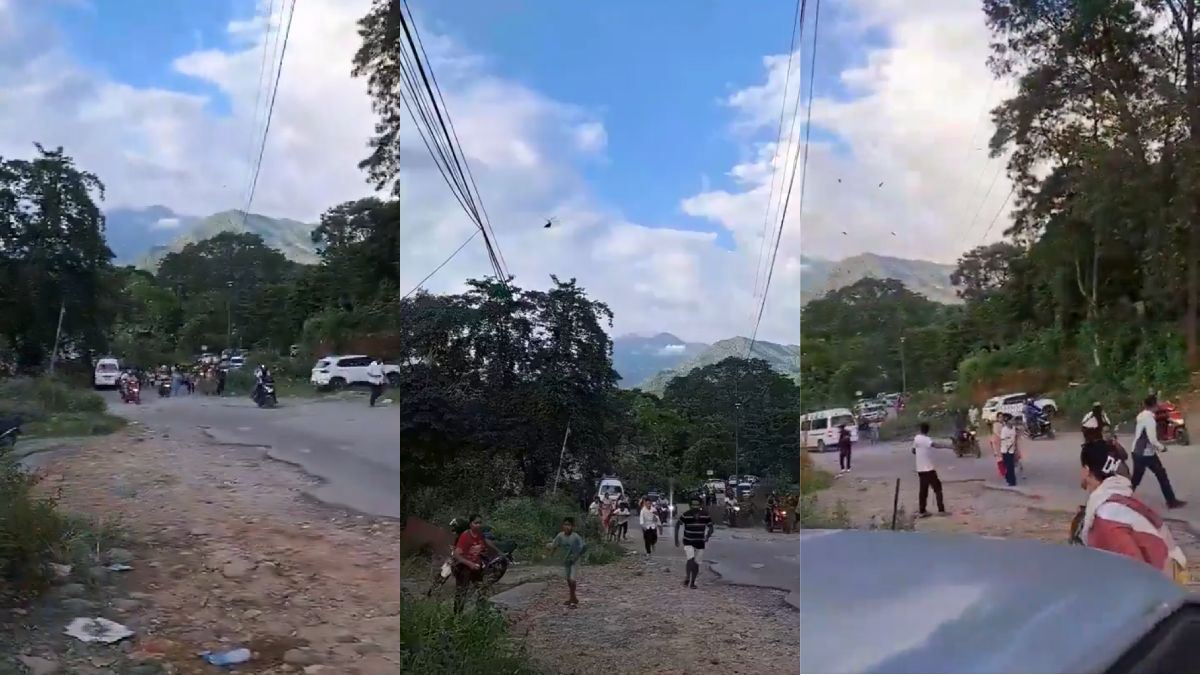
The Nepal Police issued an advisory asking rescue teams to temporarily halt the operation and move to safer places. The Nepal Army also instructed the rescue teams to halt for about 90 minutes to assess the situation, the report said. The temporary halt occurred at a time of high anxiety and high numbers of people were still awaiting help as they were still unaccounted for.
China had earlier suspended rescue operations in Gyirong County because of another major landslide or flood threat. The warnings have added to concerns that the Himalayan region could face further cascading hazards as unstable slopes, swollen rivers and huge volumes of loose rock and debris continue to pose risks to communities.
The disaster is massive. Nepal's flood-related death toll has climbed to 475 and more than 1,400 people are missing. Among them are 288 Indians, showing the impact of the disaster on people from across the border. The National Disaster Risk Reduction and Management Authority also reported that 127 Nepalis living abroad are among those who remain unaccounted for.
The flash floods were triggered by a massive ice-and-rock avalanche near Nepal’s border with Tibet. The sudden movement of ice, rocks and other debris caused a torrent that rushed through river channels and washed downstream with torrents of water. Water levels in some places could have risen by as much as nine metres in half an hour.
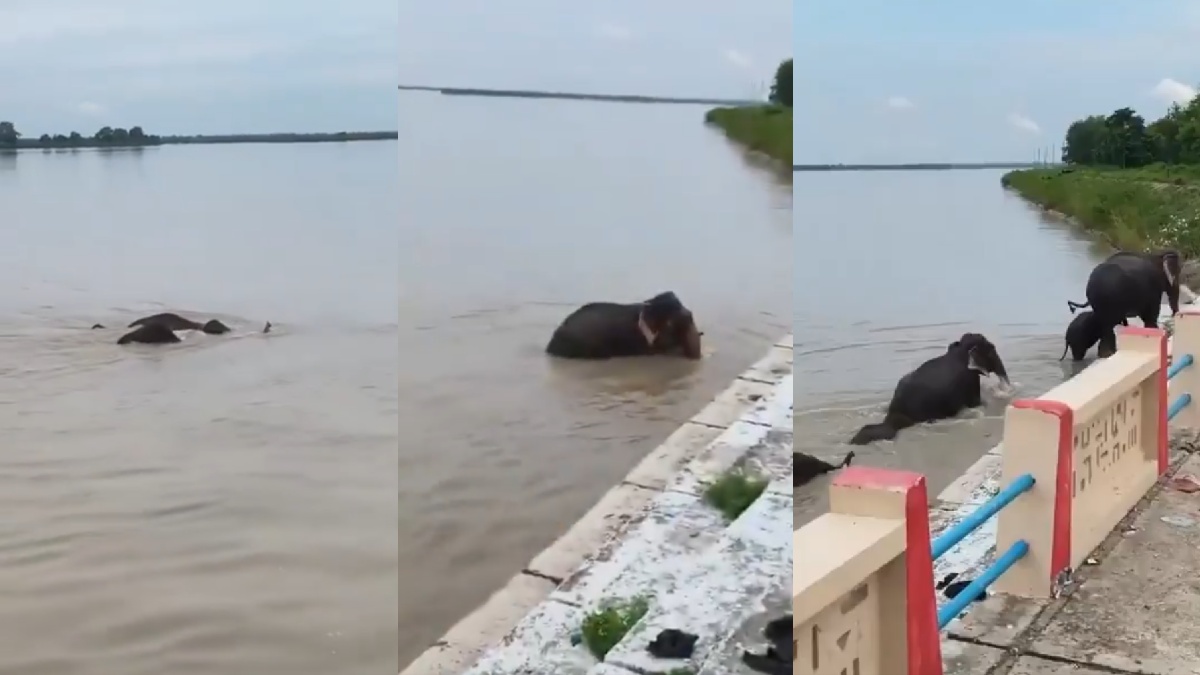
The time of the event and therefore the danger were particularly high. In some places flooded out hundreds of residents were going to their daily lives when the floodwaters arrived. Unlike conventional flooding due to prolonged heavy rainfall, the disaster occurred despite no rain being observed locally, and the communities had little time to respond.
Settlements were washed away when water mixed with boulders, mud and other debris poured through river channels. The floodwaters destroyed homes and infrastructure and made getting to the disaster areas so difficult for rescue teams.
According to NDRRMA figures, Chitwan district has the highest number of recovered bodies and 178 deaths were reported there. Nawalparasi East has 110 deaths and 44 bodies were recovered in Gorkha. Other fatalities were reported in Nuwakot, 28 in Tanahun, 27 in Nawalparasi West, 23 in Dhading and 12 in Rasuwa.
The latest warning has complicated rescue efforts yet again. The emergency teams working in mountainous terrain face many hazards - unstable slopes, blocked roads, swollen rivers, and more landslides, and more. Any new movement of water or debris could disrupt the rescue teams and any survivors waiting for help could jeopardize them, too.
Nepal is geographically most vulnerable to interconnected natural disasters, and it has been at the border between the Indian and Eurasian tectonic plates for years; the Indian Plate continues to push towards the Eurasian plate. This geological setting has created the Himalayas, but also leaves the region highly vulnerable to earthquakes, landslides and other disasters.
The devastating 7.8-magnitude Gorkha earthquake of 2015 illustrated the magnitude of these risks. Almost 9,000 people were killed and thousands of landslides and avalanches occurred across Nepal. It was also an example of how one disaster can trigger a chain of secondary hazards in the country’s mountainous and fragile environment.
People, including rescuers, are running for their lives as another flood threatens Nepal.
— Professor Iratus Genium (@PGenium) August 28, 2026
Nepal has issued another warning as a dam has now burst in Tibet. pic.twitter.com/bq4LfbYlkd
For years Nepal's mountainous terrain has been a source of cascading disasters. Earthquakes can destabilise slopes, landslides can block rivers and the water that is built up will pass through natural barriers and cause floods downstream. An avalanche of ice and rock can also rapidly alter river conditions and send huge amounts of debris into populated areas.
Even with the dam-breach alert and the death toll rising and more than 1,400 people still missing, the immediate concern is for the safety of the people trapped there, for finding survivors and for bringing back people who can't be found and for re-establishing access to isolated communities.
The latest developments reflect the unpredictable nature of disasters in the Himalayan region where geological instability, steep terrain and rapidly changing river conditions can combine to create life-threatening situations with very little warning.