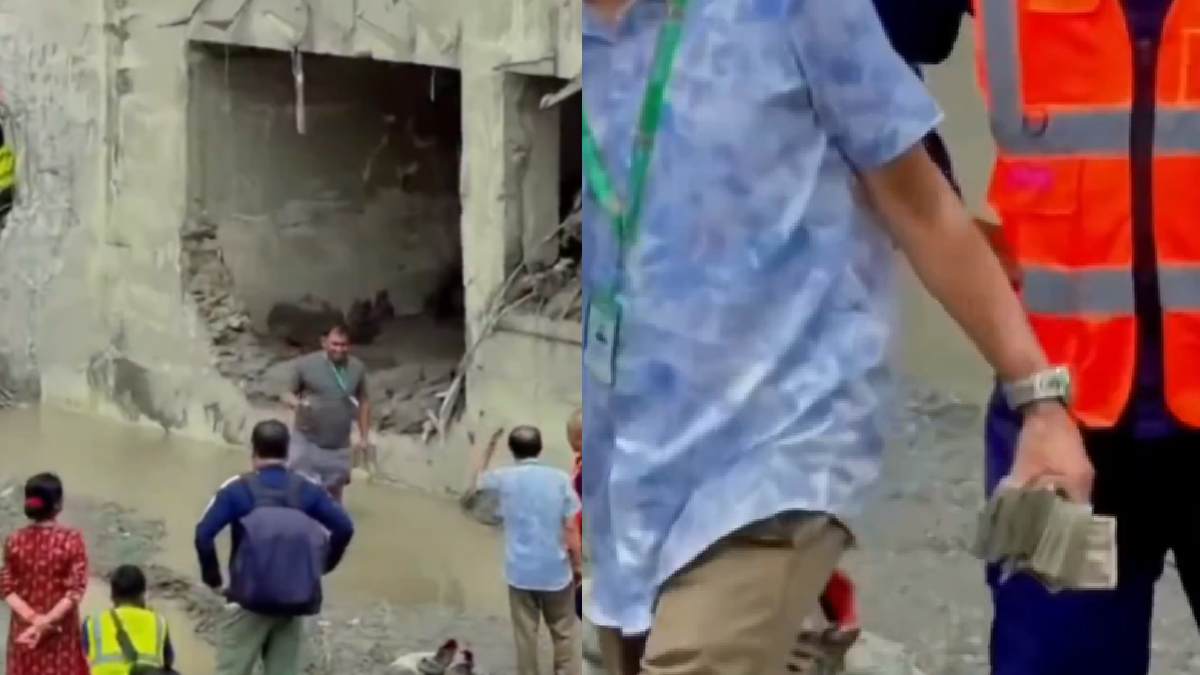
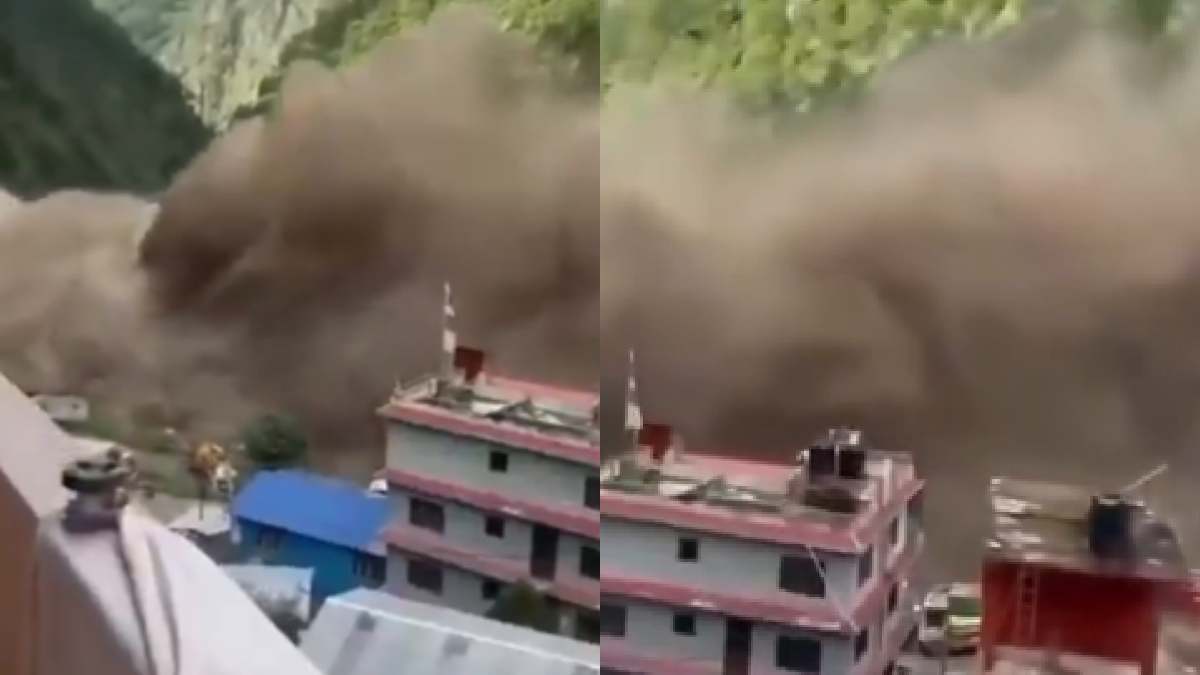
Nepal has renewed calls for compensation on climate change from some of the world's largest greenhouse gas emitters after deadly flash floods left enormous destruction across the Himalayan nation.
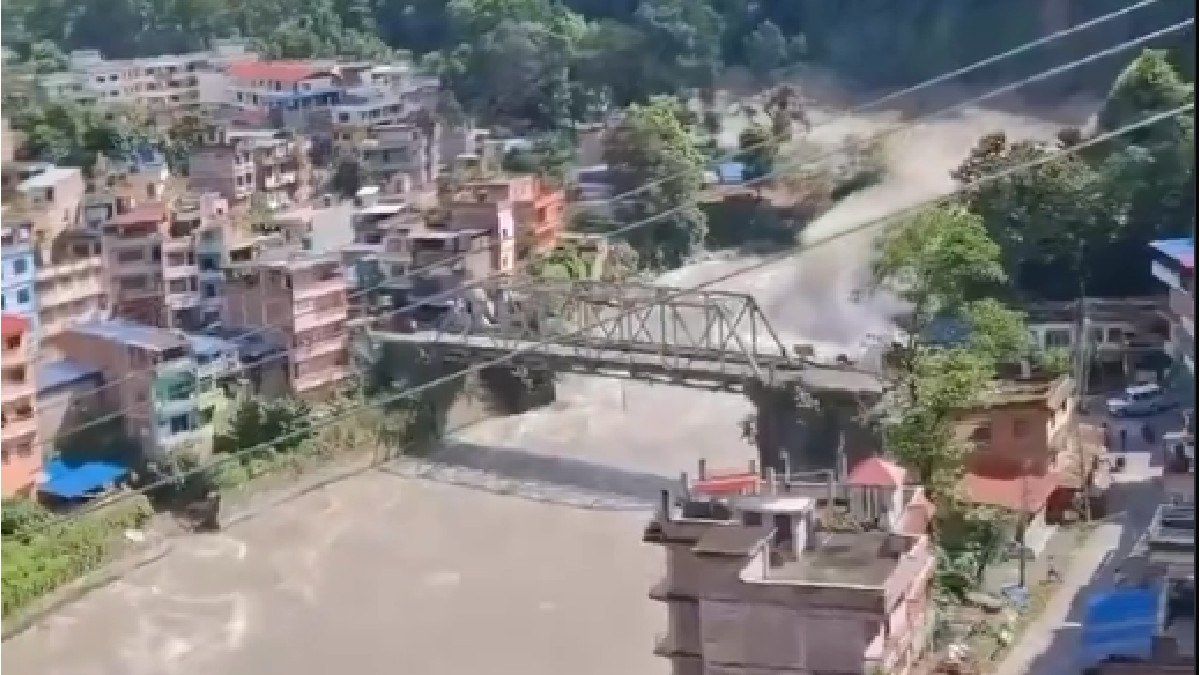
The country is seeking international financial support to address the losses of extreme weather events, with India, China and the United States among the countries being highlighted in Nepal’s climate justice argument.
Nepal Pushes for Climate Justice
The devastating floods have left a trail of destruction that has badly affected homes, roads, bridges and other essential infrastructure. Even in the most affected areas, communities are struggling to rebuild after the disaster.
Nepal asserts that its contribution to global greenhouse-gas emissions is relatively small but the country remains highly exposed to the effects of climate change.
Rising temperatures, changing rainfall patterns, glacier-related risks and extreme weather have increased concerns about the vulnerability of Himalayan communities.
Against this backdrop, Nepal wants international climate assistance to go beyond conventional emergency relief.
The foreign minister Shisir Khanal has described the country's position as one of justice and compensation rather than aid. It is also linked to the larger global debate about climate-related loss and damage.
Focus on India, China and the US
Nepal's call is specifically directed toward India, China and the United States as they are major players in global greenhouse-gas emissions.
The Himalayan country maintains that nations responsible for a larger share of historical and present-day emissions should contribute more towards helping vulnerable countries recover from climate-driven disasters.
But Nepal’s demand should not be interpreted as an agreement by these countries to pay compensation. It is Kathmandu’s diplomatic position as it seeks stronger international support.
The issue may also be addressed at future international forums, especially at the United Nations and on international climate finance.
Floods create major economic challenge
The disaster is expected to be costly. Rehabilitating damaged infrastructure, restoring transportation links and restoring energy facilities will cost billions of dollars.
Damage to hydropower infrastructure is particularly important for Nepal. Hydropower plays an important role in the country's economy, both in terms of domestic electricity supply and power exports.
The damage caused by the floods, therefore, will have implications that go beyond the immediate areas in which the people most impacted by them are and will put pressure on Nepal’s public finances and reconstruction efforts.
There is an increasing debate over loss and damage
Nepal’s demand comes as developing and climate-vulnerable countries continue to lobby for stronger mechanisms for dealing with the loss and damage caused by climate-related disasters.
The debate for Nepal is also about financing for recovering from disasters that can cause enormous economic losses despite relatively low domestic emissions.
It is the latest floods that have brought that argument into sharp focus.
Nepal now faces the arduous task of rebuilding damaged communities and infrastructure and the international community needs to take the climate risks of vulnerable countries into account.