Flying cars have been the stuff of science fiction for decades, but the rapid development of artificial intelligence, robotics, electric mobility and autonomous technology are making the concept seem less distant.
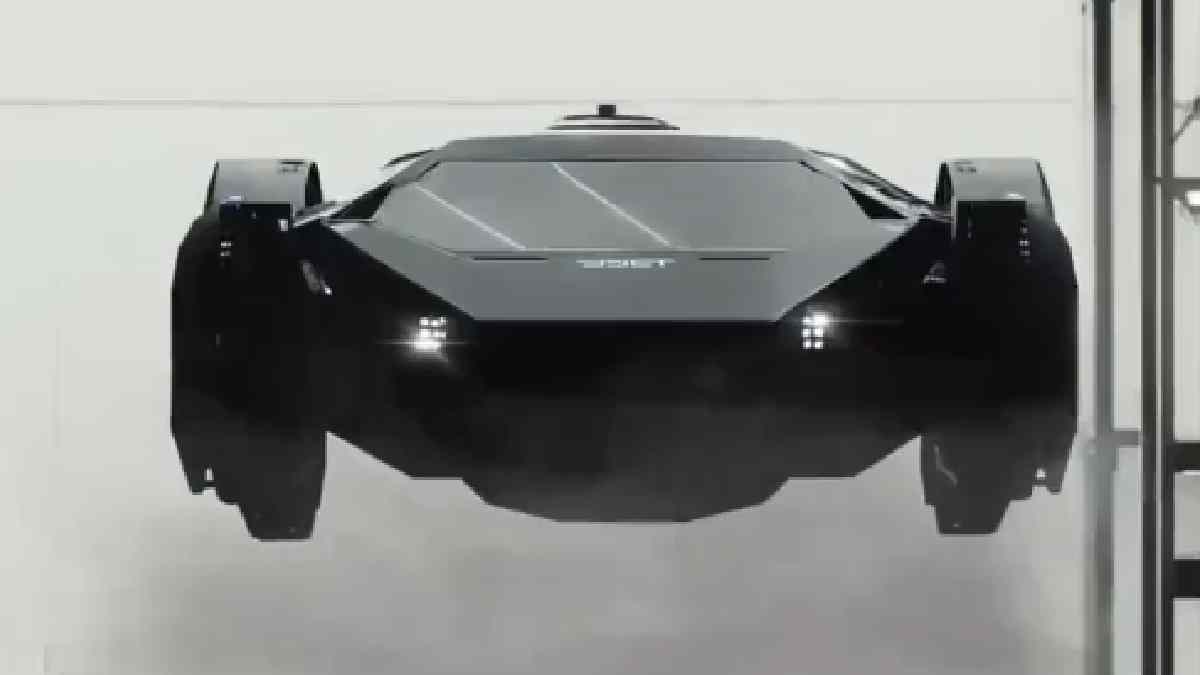
Sony has explored futuristic mobility technologies that are a glimpse of how transportation might evolve.
It should be noted that Sony has not developed a flying car technology. But the company has been experimenting with technologies related to advanced mobility and aerial vehicles and transportation technology and is a good name for its future of transportation.
One of Sony’s most interesting projects is Airpeak, an advanced drone system for professional use. Airpeak combines Sony’s imaging experience with sensing, robotics and intelligent flight technology that is based on Sony Alpha cameras.
Airpeak was created to help professional creators by enabling Sony Alpha cameras with stable aerial movement.

Sony has also introduced futuristic road transportation with the SC-1 Sociable Cart, developed in cooperation with Yamaha Motor.
It was developed to deliver an entirely new kind of mobility experience with cameras, artificial intelligence, robotics and digital displays.
These developments offer an idea of what a future Sony-inspired flying car might possibly look like. A vehicle for both roads and the skies could depend heavily on cameras, radar, LiDAR and AI systems to see what to do and make fast decisions.
The most daunting problem would be safety. In contrast to a car, a flying vehicle would have to navigate around buildings, aircraft, power lines and other vehicles.
A lot of sensors and autonomous systems would be required so that obstacles and other vehicle safety systems would need to be implemented for detecting obstacles to help the vehicle navigate the road in a safe manner.
Passenger experience could also be part of Sony’s approach. The company has extensive experience in displays, cameras and immersive entertainment. Its SC-1 concept showed the use of cameras and digital visuals in a vehicle and how camera feeds and digital videos can be used to make it a completely different experience for passengers.
Flying car concept by Sony pic.twitter.com/dzO7kXciAY
— Massimo (@Rainmaker1973) September 1, 2026
A future flying vehicle could take this concept even further. Passengers could see large displays, augmented reality and intelligent entertainment systems in their travels.
AI could help in navigation, route planning and communication to reduce the amount of manual control.
There are still several obstacles before flying cars can be integrated into everyday transportation. Battery performance, flight regulations, air-traffic management, infrastructure, noise and production costs all need to be addressed.
In urban areas there would also need to be specialized systems for takeoff, landing and emergency situations.
Sony’s current mobility and aerial projects should therefore be viewed as technology experiments rather than evidence of an upcoming Sony-branded flying car.
But they illustrate how technologies like imaging, AI, robotics and entertainment can come together to create new ideas for mobility.
The flying car may still be some way off from becoming a reality, but people experimenting with autonomous systems and advanced mobility are gradually turning futuristic ideas into engineering challenges.
Sony’s work suggests that the future of transportation could be more than fast cars; it could be entirely new ways of moving through the world.