Tiger Woods’ DUI trial has taken a new turn with the golfer’s “not guilty” plea likely to change after he was arrested after a rollover crash in Florida earlier this year. The case is a landmark moment in a case that has been at least partly a legal battle of the kind one of the biggest names in professional golf has fought.
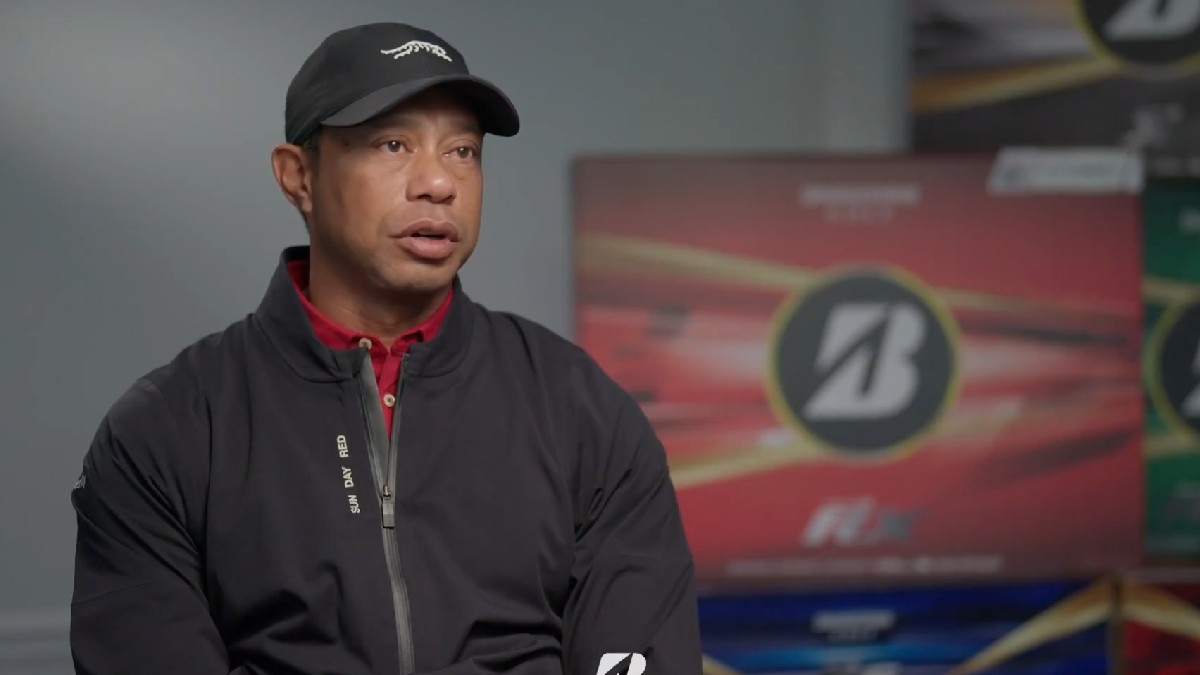
Woods is scheduled to appear in Martin County circuit court for a plea conference Wednesday morning. The details of the plea Woods is going to enter have not been disclosed publicly, and at that time the case will likely be made more clear.
But the 50-year-old golfer was arrested in March after his Land Rover collided with a truck on a residential road on Jupiter Island, Florida. The impact caused Woods’ vehicle to roll onto its side and caused him to incur $5,000 in damages to the truck. Woods was not seriously injured in the incident.
What happened on Tiger Woods’ arrest?
Details of the arrest report have received significant attention since the incident. Woods had been traveling at a high speed before the crash, investigators said. He later told a deputy that he was looking at his phone and changing the radio station before the collision occurred, according to the arrest report.
There was no indication of alcohol consumption based on the breathalyser test, Sheriff’s deputies at the scene said Woods appeared to have impaired senses. Woods did not show up for a breath test and investigators said he refused to provide a urine sample.
Woods told police that he had taken “a few” prescription drugs, investigators said. Police found two pills in his trouser pocket that were hydrocodone. The arrest report also described several physical symptoms, including heavy sweating, bloodshot eyes and extremely dilated pupils.
And in those court proceedings these details became central to investigators trying to get a handle on the crash. Woods’ refusal to take a urine sample was also documented.
Medical treatment became part of the case
The legal proceedings have also examined Woods’ medical treatment and prescription history. Court records show Woods traveled outside of the United States to get treatment at an inpatient facility.
In July, Judge Darren Steele approved an agreement that would allow prosecutors to review medical records related to the crash and arrest. A similar arrangement was approved in May, giving prosecutors access to records of prescription medications from a Palm Beach pharmacy for a period that started earlier in the year.
The access to medical and prescription records could help prosecutors assess the medication Woods was taking around the time of the incident. But the details of those records have not been disclosed.
Now Woods is likely to change his plea, attention will be turned to the court hearing and what legal consequences could follow.
What will happen on the next step?
A change of plea can change the course of a criminal case dramatically. Instead of a not guilty plea leading the court to a trial and sentencing or other legal processes, a new plea may move it on to a new stage of the process.
At this point in time, Woods’ expected plea hasn’t been announced. So it’s unclear what agreement has been reached so far between his lawyers and prosecutors.
The next hearing will therefore attract a lot of attention, particularly because of Woods and his global profile and his stature in modern golf.
Tiger Woods’ legendary golf career
The legal case takes place against the backdrop of a remarkable sports career. Woods has spent decades at the top of professional golf and is widely considered one of the greatest players in the history of the sport.
He made history when he became the first golfer of Black heritage to win the Masters when he won the green jacket in 1997. That victory set off one of the most dominant periods in modern golf and cemented Woods as a worldwide sporting icon.
Woods has won the Masters five times, the PGA Championship four times, the US Open three times and The Open Championship three times in his career. His major championship record places him among the most decorated players ever to play professional golf.
But his career has also been littered with serious physical setbacks. Back and knee injuries, surgeries and car accidents have taken years that have limited his ability to compete consistently in recent years. Woods has battled back to the course in spite of these obstacles.
Woods is still involved in professional golf.
Despite the legal battles and long history of physical problems, Woods has continued to be part of professional golf. His first major public appearance after he returned from treatment was last June, when he helped implement plans for changes to the PGA Tour schedule for 2028.
He also retained his position as chairperson of the Tour’s Future Competition Committee following his arrest, demonstrating that he is not only active on the stage but also has influence off that.
So far, the Florida court case is the focus. Woods’ expected plea change may be the next significant change in the proceedings and could provide some clarity to a case that has attracted widespread attention.
All things being equal, whatever comes to the next hearing, we can expect this to be another difficult chapter in the life of a golfer who has already won so much, suffered so much bad news and suffered so many personal blows in the game of golf. We will also see Woods’ future in golf going forward in terms of the legal and his professional career but will also be closely watched for how he deals with all of it now and in the long run.