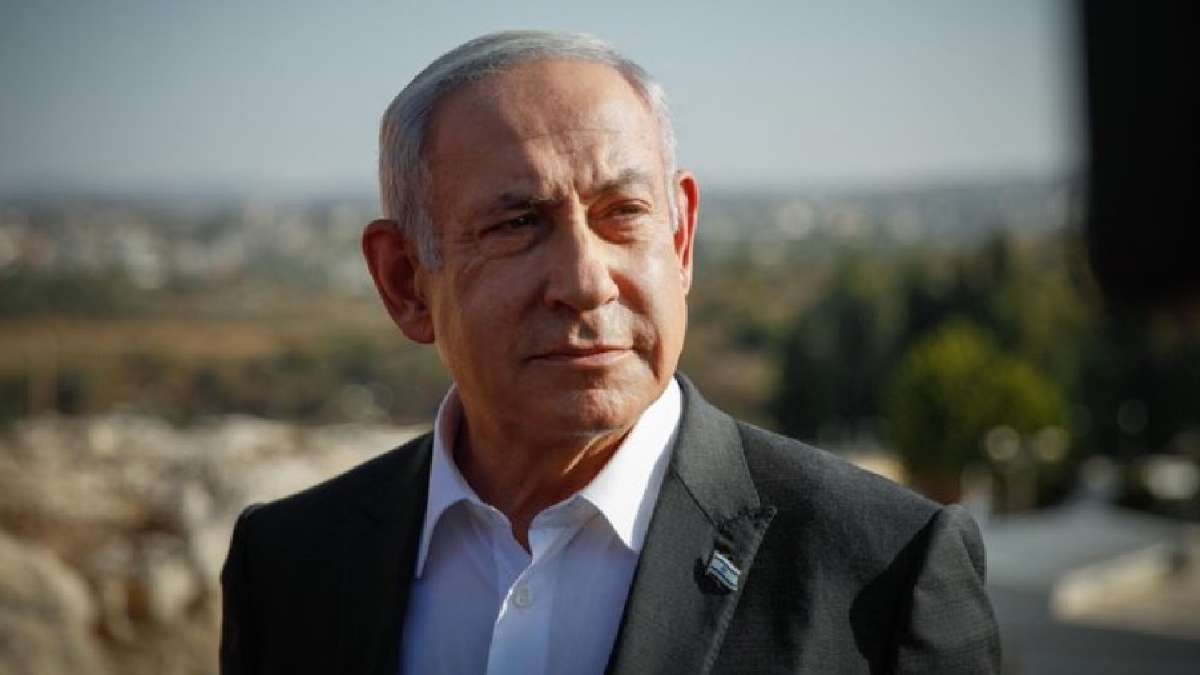
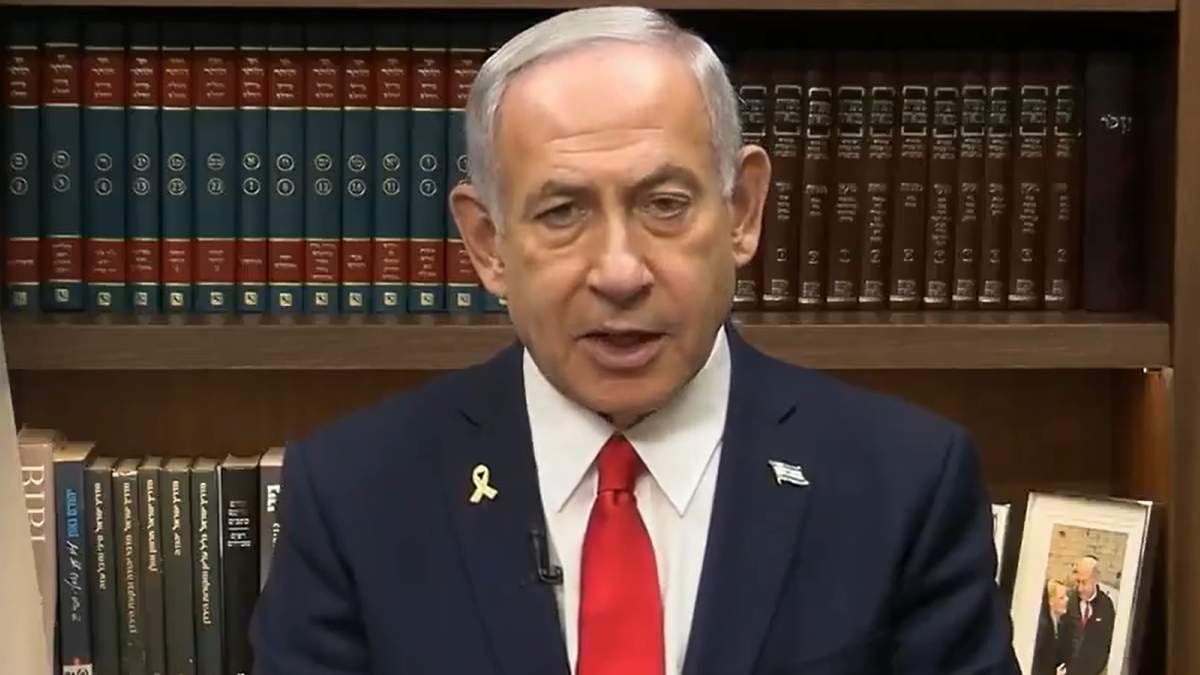
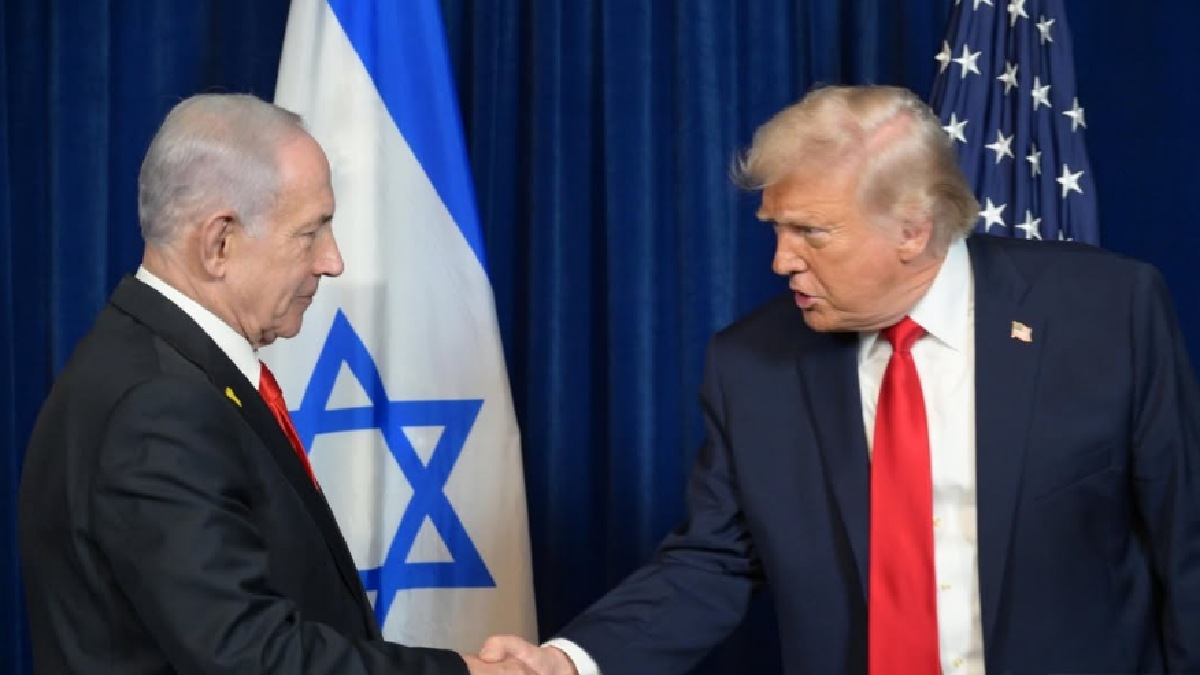
Israeli Prime Minister Benjamin Netanyahu is being re-examined over security failures in the October 7, 2023 Hamas attack after an investigation by Israeli newspaper Haaretz alleged that he was given direct warning of a major Hamas operation but didn’t pass it on to country’s senior security leadership.
The warning allegedly came from UAE President Mohammed bin Zayed Al Nahyan who is known as MBZ, about a week and a half before Hamas launched its unprecedented assault on Israel. The report says MBZ spoke with Netanyahu for 45 minutes and “spoke of his concerns that Yahya Sinwar was preparing to conduct a major operation against Israel.”
The Emirati president reportedly used the Arabic word zilzal (“earthquake”) to describe how serious he took the threat. He allegedly told Netanyahu that a large scale Hamas attack would lead to “a lot of bloodshed”, destabilise the wider Middle East and put the Abraham Accords at risk.
However, Netanyahu did not seem to have the same view of the situation: he told MBZ “Israel thought Hamas was preparing an operation in the West Bank and not a major assault from Gaza,” the report says. Netanyahu allegedly reassured the Emirati leader Israel was prepared for all scenarios.
The probe also says the prime minister did not inform heads of Israel’s major security agencies afterwards – Shin Bet domestic security agency; Mossad intelligence service and IDF.
The alleged conversation is significant because it reportedly took place in the context of other warnings reaching Israeli officials before October 7: Shin Bet chief Ronen Bar had told Netanyahu in September 2023 that Hamas was preparing a major operation (the investigation says).
A security meeting was held afterwards and Bar reportedly warned that Israel could be heading towards confrontation with Hamas. He also recommended stronger defensive or offensive steps in response to the intelligence available at the time.
Another warning was allegedly from Egypt. Egyptian intelligence chief Abbas Kamel reportedly called Netanyahu before the Hamas assault and warned him about an imminent “terrifying operation” by the Palestinian militant group. Haaretz investigation said Netanyahu did not tell either of those warnings during a later security meeting on October 1.
The accusations have brought back one of the most heated issues in Israel over the October 7 disaster who should be held responsible for intelligence and security failures that allowed Hamas fighters to breach the heavily fortified Gaza-Israel border?
Netanyahu has been criticized before for saying Israel’s intelligence and security apparatus didn’t give him enough warning. In the wake of the attack he said he had not received a warning that Hamas was preparing for war. He later deleted the statement after huge backlash.
Netanyahu’s office has now flatly rejected the latest allegations. His office called Haaretz’s investigation an “absolute lie,” denied that Netanyahu spoke to the UAE president during the period mentioned in the report and denied he received a warning from MBZ about an imminent Hamas attack.
The dispute has nevertheless heightened political attacks on the Israeli prime minister. Former Israeli Prime Minister Naftali Bennett has backed the substance of the report saying Netanyahu had been warned about Sinwar’s plans, that he led Israel “blindly” to catastrophe.
The October 7 Hamas attack killed about 1,200 people in Israel according to Israeli figures and around 250 hostages were taken. It became the deadliest attack on Israel’s history and started the devastating war in Gaza.
These latest allegations don’t prove that the reported warnings would have prevented the attack. But if they are true (and Netanyahu’s response is) they will only increase the debate about how Israel assessed the Hamas threat in the weeks before October 7.
Investigations and political wrangling over the security failures are ongoing, but what Israeli leaders knew before the attack and what they did with that information, is still at the heart of how the country will come to terms with what happened on October 7.