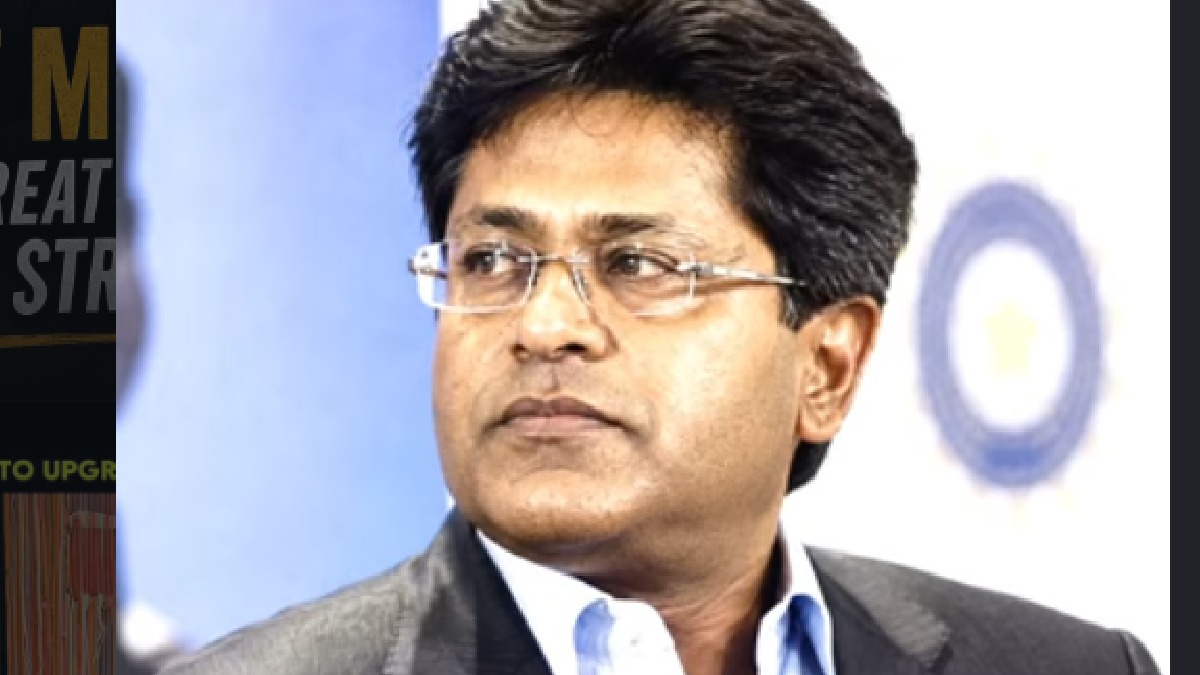
In sharp criticism of Pakistan's record on religious freedom, Pakistani-origin US official and United States Commission on International Religious Freedom (USCIRF) Commissioner Dr Asif Mahmood has raised questions about the forced conversion of minor Hindu girls and the persecution of religious minorities in the country. He raised fears about the safety and rights of minority communities in Pakistan and has raised the issue of what he called a “deep concern that Pakistan’s government is doing to do as much to keep them from being able to live their lives in peace.
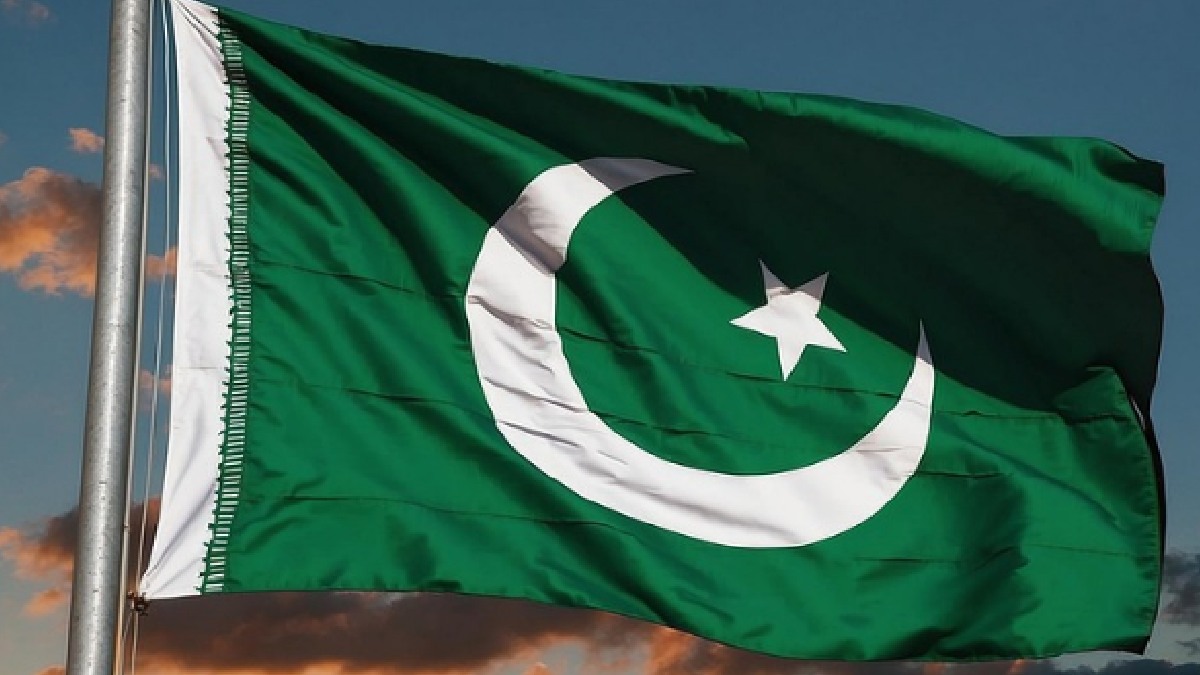
Mahmood’s comments come at a time when Pakistan’s leadership has tried to present a picture of religious tolerance. So the remarks are a stark contrast to Islamabad’s claims about the treatment of minorities. By pointing out the vulnerability of young Hindu girls, Mahmood has revived concerns that the young members of Pakistan’s Hindu community are especially susceptible to abduction, forced marriage and religious conversion.
Mahmood said his position on religious freedom in Pakistan has been consistent and that he has repeatedly raised concerns about the treatment of minority communities. USCIRF has pointed out issues of Hindus and Christians, Sikhs and Ahmadiyya Muslims (e.g).
His most severe criticism was of Hindu girls. Mahmood said he had spoken out about the problem and called for action, saying the conversion of Hindu girls was a big concern. His comments underline the seriousness with which the issue is viewed by parts of the international religious freedom community.
The issue of forced conversions has been a sensitive issue in Pakistan for decades. Rights activists and members of minority groups have long raised concerns about the fate of young Hindu and Christian women and girls. Some families have claimed their daughters were abducted and forced into marriage and conversion. Members of the minority community have also called for more robust investigations and legal safeguards.
And there are cases of a different kind of case and it is also clear that the claim of forced conversion has to be investigated. Mahmood's larger point is that minority communities must be protected from coercion, intimidation and discrimination if they have children or vulnerable people in the background.
Pakistan faces continued US scrutiny of religious freedom.
Mahmood also cited the wider record of USCIRF criticism of Pakistan. He said the commission has repeatedly raised religious-freedom concerns with Pakistani officials and has continued to highlight the subject during engagements between Pakistan and the United States.
According to Mahmood, USCIRF has voiced concerns about Pakistan numerous times and has a clear position on the country’s religious-freedom record. He also referred to China when discussing the commission’s broader work on severe violations of religious freedom.
Consequently, the comments show that religious freedom is still a topic of discussion between Washington and Islamabad. And while the United States and Pakistan are working closely on a number of strategic and regional issues, minority rights still bring criticism from the United States and international human rights institutions.
Pakistan and the Country of Particular Concern issue.
The criticism is also due to the long-standing recommendation of USCIRF to make Pakistan a Country of Particular Concern (CPC). CPC status is associated with governments that engage in or tolerate particularly severe violations of religious freedom under US religious-freedom law.
Mahmood said Pakistan and China have been recommended for CPC status by USCIRF. He also noted that Pakistan has been associated with the CPC issue for many years and that there was a significant gap between USCIRF’s recommendation and action by the United States State Department.
The CPC issue adds an extra diplomatic dimension to these comments. USCIRF is an independent US federal commission that monitors religious-freedom conditions around the world and makes policy recommendations to the US government. Its findings can therefore help to bring international attention to countries that are alleged to do little to protect religious minorities.
Minority Rights in Pakistan.
Mahmood’s Pakistani background adds another dimension to his criticism. As a Pakistani-born official on a US religious freedom commission, his comments challenge Pakistan’s record from a perspective closely connected to the country’s social and cultural environment.
His comments also broaden the discussion beyond the Hindu community. Christians, Sikhs and Ahmadiyya Muslims have long faced discrimination and restrictions in Pakistan, the rights-monitoring organisations say. Given this, minorities continue to find their treatment to be a priority in religious freedom and human rights discussions in Pakistan.
For Islamabad, such criticism could add to international pressure to show stronger protections for minority communities. For Washington, it is a question that could be a factor in its broader assessment of religious freedom and human rights in Pakistan.
The focus on Hindu girls is especially important because allegations involving minors raise questions about the rights of people, about child protection and personal liberty and marriage and coercion. Mahmood’s intervention has again brought these issues into the light of the international community and calls for a greater degree of accountability and protection of vulnerable minority communities in Pakistan.