A deadly explosion in a coal mine in southwestern Balochistan province has taken at least 32 workers’ lives, and 10 more are trapped underground, officials said. Rescue teams are still working to reach the trapped workers as they fear the death toll is going to get worse.
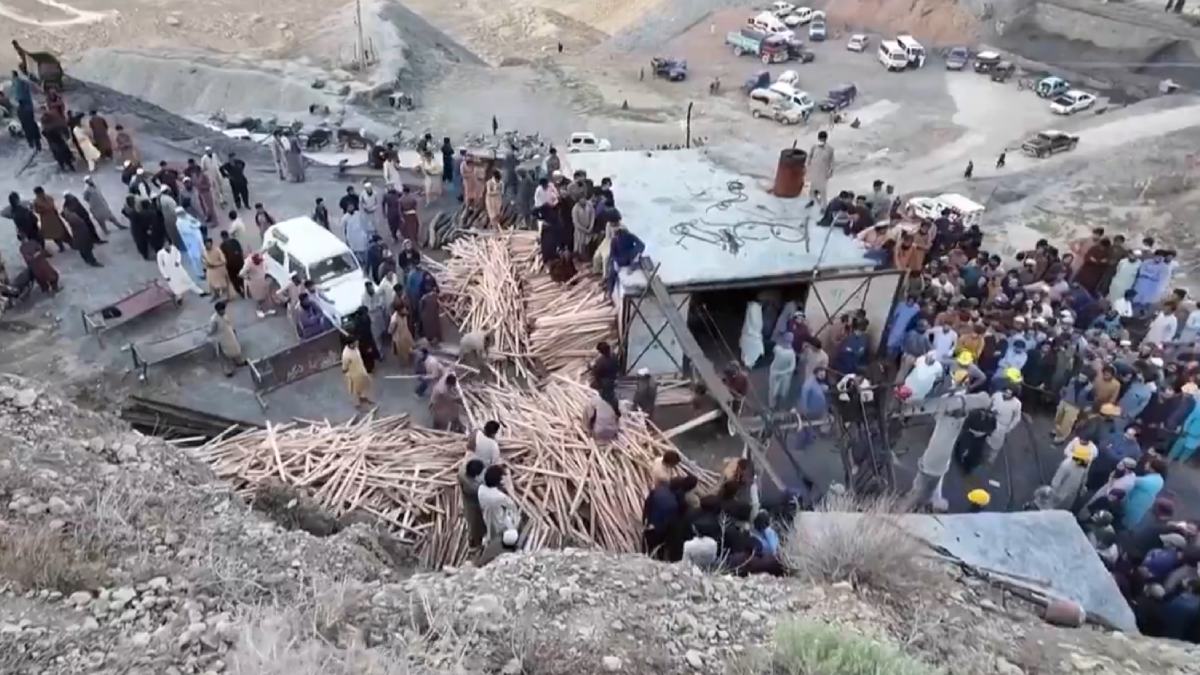
The explosion took place on the outskirts of Quetta, the provincial capital of Balochistan. The explosion was said to have been caused by methane gas building up in the underground coal mine. Methane accumulation is one of the most serious yet deadly hazards to coal mining activities, particularly in underground mines in which ventilation and monitoring systems are poor.
As a government mine inspector, Ghani Baloch said the explosion might have been triggered by accumulated methane gas that engulfed the mine shafts. Emergency teams were immediately called to the site after the blast. Rescuers first found seven bodies from the rubble. More deaths were found later, and the total number of deaths was 32 as a result of the blast.
There are still 10 miners who are believed to be trapped under the surface, authorities said. Rescue personnel are working hard to find and reach the missing workers while ensuring the safety of those involved in the operation. The tough underground conditions, along with the danger of more gas leaks, have complicated the rescue efforts.
Officials said search and rescue efforts will continue until every trapped miner is accounted for. But the situation was still life-threatening because methane explosions can quickly consume oxygen in confined underground spaces that are too tight to survive in such conditions, and the chances of survival are also low, they said.
The bodies of those who were buried in the mine have now been collected by the families of the victims. But anxious relatives of the missing miners continue to wait near the site for news of the rescue team.
Balochistan's Minister of Mines and Minerals Shoaib Nosherwani expressed his condolences to the families of the victims and praised the rescue workers working in extremely difficult conditions. He promised financial assistance of 500,000 Pakistani rupees to the family of each miner who lost his life in the disaster.
The province has ordered a comprehensive investigation into the explosion. The exact cause of the blast will be examined, and mining safety regulations will be re-examined. “The lessons for the future will be learned from the investigation,” the officials said.
The coal miners’ labour unions have blamed negligence for the disaster and proposed sanctions against those responsible. The Pakistan Central Mines Labour Federation called for the government to strengthen mining safety standards and punish companies failing to comply with the safety standards.
Several coal mines in Pakistan have been cited for poor safety infrastructure in the past, and there are many mining accidents in Balochistan. Many workers have pointed out that methane monitoring systems are not functioning, ventilation is poor, and workers are not provided with basic safety equipment. But thousands of families continue to depend on coal mining because of the lack of jobs and poverty in the area.
Balochistan, Pakistan’s largest province by area, is still one of its least developed regions. The latest mining disaster has once again added to the increasing need for better worker safety, closer oversight and better protection for miners who risk their lives every single day to help their families.