A series of powerful earthquakes has devastated central Peru, claiming at least six lives and injuring more than 30 people and leaving hundreds homeless in the mountainous Junín region. The twin earthquakes struck close to Sicaya, in the province of Huancayo, and have pummeled whole rural areas.
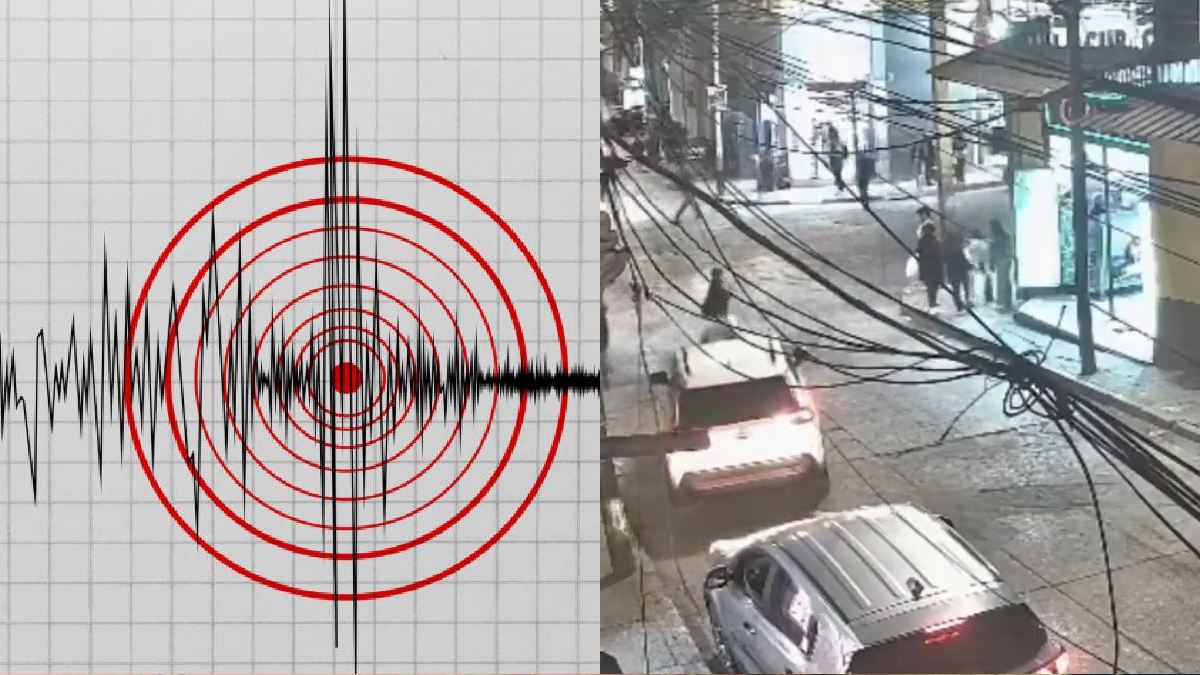
The stronger 5.1-magnitude earthquake struck at 9:24 p.m. local time and was detected at a depth of 10 kilometres below the surface of the Earth. The epicentre was located around 300 kilometres east of Peru's capital, Lima. The earthquake was followed by an earthquake of 3.7 magnitude, shaking people already shaken up by the first earthquake.
The emergency services said at least six people lost their lives and more than 30 others sustained serious injuries. Rescue teams are now working feverishly in affected areas to determine how severe the damage is and how much it will affect people.
The impact was especially severe in rural Andean communities; many homes are made of adobe bricks made of dried mud. These traditional structures are extremely prone to seismic activity and collapsed almost instantly under the force of the tremors. More than 48 homes were destroyed, and at least 18 were so severely damaged that there were structural losses.
The agricultural district of Chongos Bajo was among the hardest-hit areas. Hundreds of residents were forced to flee their homes and spend the night outdoors in freezing temperatures. Families bundled up in blankets along roadsides and open spaces as aftershocks added to the worry of further collapses. Video of livestock trapped under debris in the area showed the problems that are felt by the local communities relying on farming and animal husbandry for their livelihoods, which have been exacerbated by the work of farmers.

One of the major cultural losses of the earthquake was the severe damage to the historic Santiago de León Church. The church was built in 1565 during the Spanish colonial period and is one of the most important national heritage sites. The centuries-old building and its adjacent convent suffered severe damage, and parts of the building were said to have collapsed in the earthquake.
The destruction of the landmark has drawn concern among historians and preservation experts who fear that restoration of the historic site may take years. The church has long been a symbol of the region’s cultural and religious heritage.
Peru is no stranger to seismic disasters since it is situated in the Pacific Ring of Fire, one of the most geologically active areas on Earth. The Ring of Fire accounts for nearly 85 per cent of all earthquakes and is characterised by tectonic activity. In Peru, earthquakes occur when the Nazca tectonic plate is slowly moving beneath the South American plate, and the pressure is released through seismic events.
So far in its history, there have been many devastating earthquakes. The most deadly of these occurred in 2007 when a strong 7.9-magnitude earthquake struck the Pisco region, killing almost 600 people and causing numerous others to be injured.
Peru has been flooded with debris, and emergency response teams have been activated following the disaster, officials said. Cleanup, food and shelter for displaced families, and search and rescue teams are ongoing.
The tragedy is another reminder of Peru’s vulnerability to natural disasters and the necessity to strengthen infrastructure in earthquake-prone regions to minimise future loss of life and property.